
Reviewed · RIO DE JANEIRO
Pantanal of Rio de Janeiro
Rio’s Pantanal tour takes you away from the usual Copacabana and Ipanema circuit and into the waterways around Barra da Tijuca. From the boat, you’ll look for caimans and capybaras among mangroves and islands, with Pedra da Gávea rising behind them. It is an unusual side of Rio, and the wildlife gives the outing a clear purpose.
I like the close look at Gigóia Island, where the boat ride connects with a small island community, and I like having a guide who can explain the area in English, Portuguese, or Spanish. Guides such as Ione have been praised for clear explanations and for giving visitors time to enjoy the setting. The main drawback is cost clarity: the advertised price does not include the R$60 boat fare, and card payment for that fare adds 5 percent.
In This Review
- Key Points
- Rio’s Other Side Begins at Jardim Oceânico
- What the Boat Route Shows You
- Meeting Caimans and Capybaras on the Water
- Gigóia Island and a Slower Rio
- Pedra da Gávea as Your Backdrop
- The Optional Barra da Tijuca Beach Stop
- How the $32 Price Really Works
- Who Will Enjoy This Outing Most
- Useful Planning Notes Before You Go
- Should You Book the Pantanal of Rio Tour?
- FAQ
- Where does the tour meet?
- How long does the tour last?
- Which languages are available?
- Is the boat fare included in the tour price?
- What animals might I see?
- Can I cancel the booking?
Key Points
- Wildlife by boat: Look for caimans, capybaras, and other animals among the islands and mangroves.
- Gigóia Island visit: The largest island in the archipelago offers a change of pace from central Rio.
- Pedra da Gávea views: The famous rock gives the water route a distinctly Rio backdrop.
- Three language options: Guides lead tours in English, Portuguese, or Spanish.
- Optional Barra beach stop: Add Barra da Tijuca beach if the timing and group plan allow.
- Extra boat payment: Pay the captain R$60 in cash, or pay by card with a 5 percent surcharge.
Rio’s Other Side Begins at Jardim Oceânico
The tour meets in front of Jardim Oceânico subway station, Exit A. That is a useful meeting point because it puts you at the edge of Barra da Tijuca, far from the city’s best-known beach neighborhoods.
I would allow extra time to find the correct exit and get your bearings. The instructions say the guide may meet you outside the station, so keep your phone available for messages. One practical issue has come up with this activity: the guide has occasionally arrived late, while the booking system made it look as if the tour had already started. If you are waiting, check your messages before assuming you missed the group.
The total activity lasts about three hours. That makes it a manageable half-day addition to a Rio visit. You do not need to give up an entire day, yet you still get time on the water, a visit to an island, and a chance to see a less familiar part of the city.
Other Rio tours people book on the same trip:
- Rio de Janeiro: 6-Stop Highlights of Rio with Lunch
★ 4.4 · 5,157 reviews - Christ the Redeemer Entry Ticket by Corcovado Train
★ 4.4 · 4,476 reviews - Rio de Janeiro: Rocinha Favela Walking Tour with Local Guide
★ 4.8 · 3,052 reviews
What the Boat Route Shows You
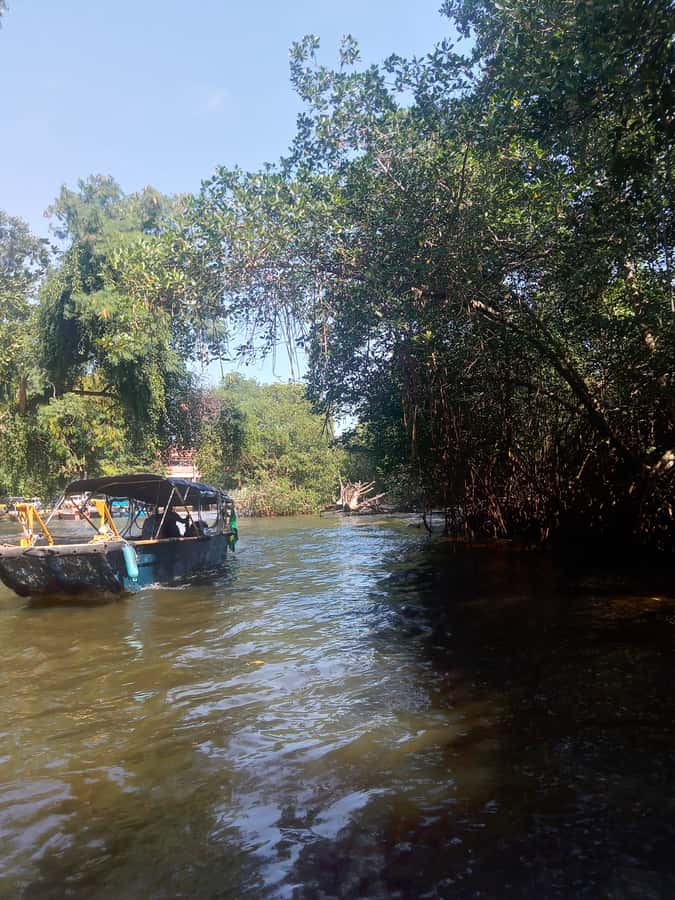
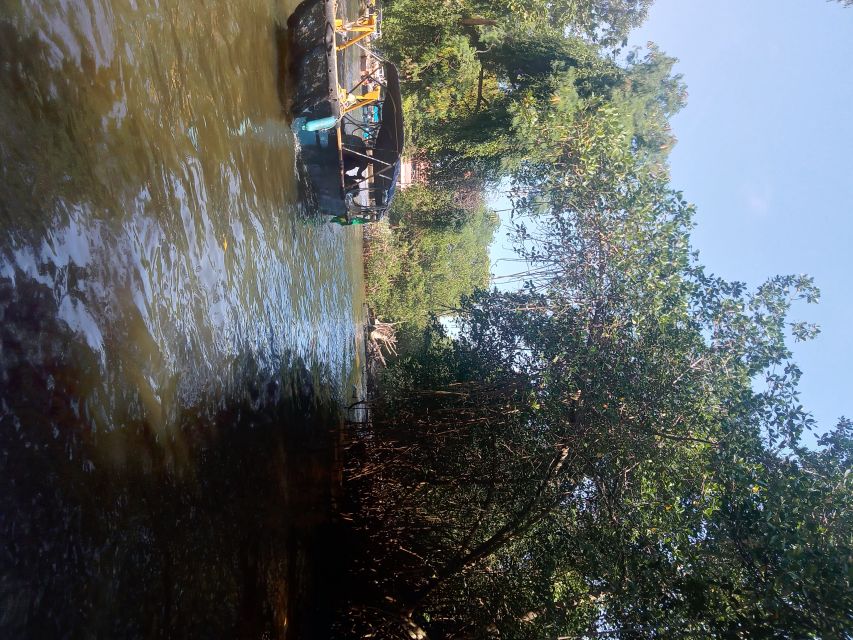
The heart of the experience is a boat ride through the islands and waterways of the archipelago. The route links water, mangrove growth, small islands, and Rio’s steep rock formations in one view.
This is not the Amazon, and you should not book it expecting a long wilderness expedition. The setting remains part of urban Rio, with the city close by. That is exactly what makes it interesting. You can see wildlife in a natural water environment while still having Pedra da Gávea and the wider Barra area in view.
The boat fare is handled separately from the tour booking. Bring R$60 in cash for the captain. Card and debit card payments are accepted, but the fare carries a 5 percent tax when paid that way. Since this cost is compulsory for the boat portion, I would treat the tour as costing the advertised $32 plus the boat fare, not $32 all-in.
The wildlife is the main draw. The route is intended to show you caimans, capybaras, and other animals in the area. Wildlife sightings can never be controlled, so keep your expectations sensible. You may see the animals clearly, or you may spend more time watching the water and mangroves. The appeal is the chance to encounter them from a boat rather than in a zoo or formal park.
Meeting Caimans and Capybaras on the Water

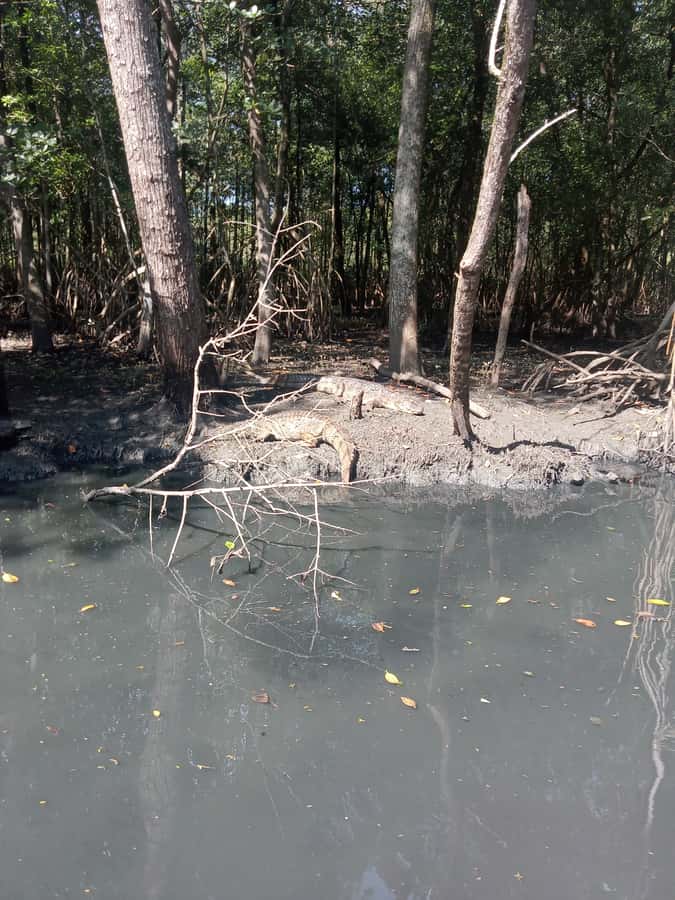
Caimans are the memorable surprise here. They may be resting near the water or blending into the edges of the islands, so your guide’s help matters. A good guide can point out what your eye would miss and explain how the animals fit into this wet environment.
Capybaras add a different kind of interest. Their presence gives the outing a local wildlife focus, while the boat keeps you moving through several parts of the archipelago. You are not simply stopping at one viewing point and hoping for luck.
The experience works best if you bring patience. Do not expect constant animal action. The quiet stretches are part of the trip, and they let you notice the contrast between mangrove channels, open water, and the large rock faces beyond.
The guide also gives the animals context. The tour is offered in English, Portuguese, and Spanish, which helps if you want more than a quick boat ride. Ione, one of the guides connected with the experience, has been especially praised for strong explanations in Spanish and English. Her approach has been described as unhurried, with time for questions and conversation about Brazilian culture, history, and current life.
Gigóia Island and a Slower Rio
Gigóia Island is the largest island in the archipelago and an important part of the visit. It gives the tour a human side that a simple wildlife cruise would miss.
The island is presented as a place to walk and observe local life. You get a sense of how Rio’s waterways shape daily routines, rather than seeing only famous viewpoints. The stop is not packed with major monuments. Its value comes from the change in pace and the setting.
You will find restaurants on the island, making it possible to eat after the tour. One helpful recommendation from the guide has been a restaurant with a good view. If you stay for a meal, remember that returning to the metro may require a water taxi. That extra ride has been reported at R$6, so keep a little Brazilian cash available beyond the captain’s boat fare.
This is also where the tour divides opinion. I like the island visit because it adds local character and gives you somewhere to pause. If your main goal is wildlife, though, you may find the walk less important than the boat ride. One critical assessment felt the island and the rest of the route offered less value than the animal sightings. That is a fair warning for anyone who wants a tightly packed nature tour.
A different side of the city, same few days:
- Rio: Christ the Redeemer, Sugarloaf, Selaron & BBQ Lunch
★ 4.5 · 2,428 reviews - Rio De Janeiro: Half-Day Rocinha Favela Walking Tour
★ 4.7 · 2,272 reviews - Rio de Janeiro: Angra dos Reis and Ilha Grande Full-Day Tour
★ 4.6 · 1,673 reviews - Rio de Janeiro: Beginner Samba Lesson in Ipanema
★ 4.9 · 1,071 reviews
Pedra da Gávea as Your Backdrop
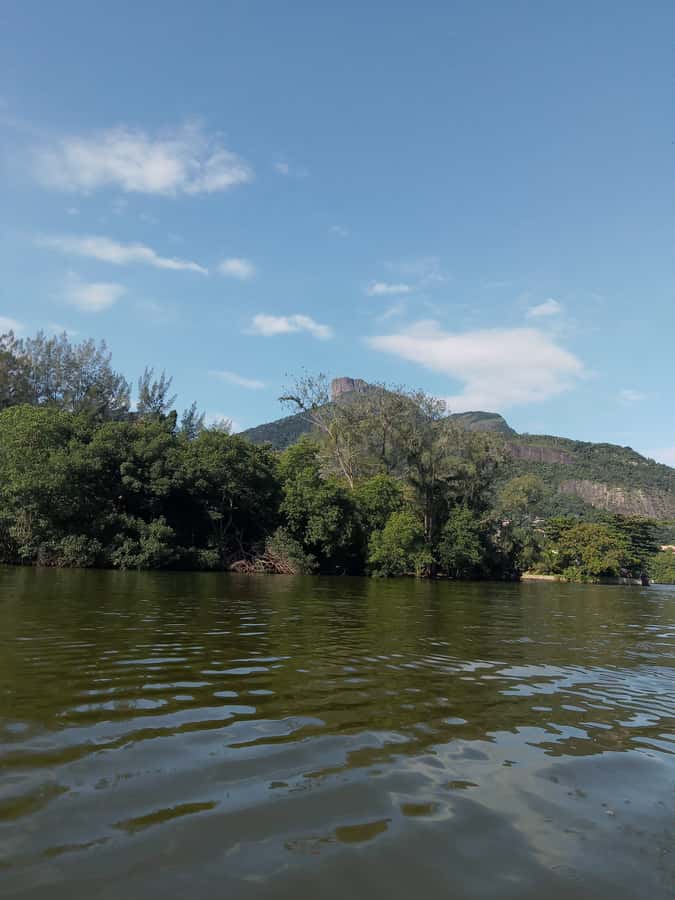
The views toward Pedra da Gávea help make this more than a generic water excursion. The huge rock is one of Rio’s most recognizable natural features, and seeing it from the waterways changes your angle on the city.
From the boat, the scene combines mangroves and islands with the dramatic stone formations Rio is known for. You get a quieter view than from a crowded city lookout. The contrast is the point: a large, rugged rock above a low, watery environment filled with plants and animals.
I would bring a camera, but I would also leave room to simply watch. The boat route is about the relationship between these elements, not just one postcard view. Your guide can help connect what you see, especially if you want to understand how Barra’s water system differs from the central beach districts.
The Optional Barra da Tijuca Beach Stop
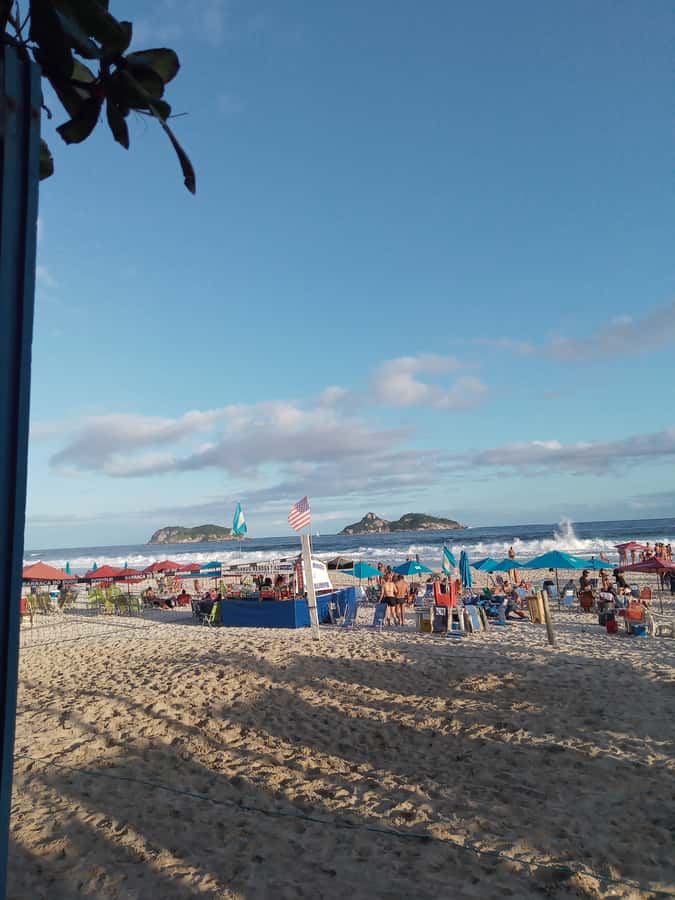
A visit to Barra da Tijuca beach is optional. This gives the tour some flexibility, particularly if you want to add a beach view to the island and wildlife portion.
Barra is useful for visitors who have concentrated their Rio sightseeing around Copacabana, Ipanema, and other central districts. It shows you a different part of the city and helps explain why Barra feels separate from the classic tourist route.
Still, do not book this experience mainly for beach time. The advertised focus is the boat route, animals, mangroves, Gigóia Island, and the Pedra da Gávea view. The beach is an extra stop, not the central event. If you have limited time and want wildlife, I would give priority to the boat portion.
How the $32 Price Really Works
At $32 per person, the tour price looks modest for a guided three-hour activity. The value depends on how much you care about seeing an uncommon side of Rio and having a trilingual guide explain it.
The required boat fare changes the calculation. Add R$60 per person, paid directly to the captain. Card payment adds 5 percent, so cash is the better choice if you want to avoid the surcharge. The advertised price includes the guide, the Pantanal of Rio experience, the Gigóia Island visit, and the optional Barra beach stop, but it does not cover the boat itself.
I consider the total reasonable for visitors who want a guided introduction to the waterways and wildlife. It is less attractive if you want a cheap boat ride with no extras, or if you expect a large wildlife reserve far outside the city. The tour earns its price through access, guiding, and the unusual setting, not through a long duration or a long list of formal attractions.
The strongest value comes when you use the guide well. Ask about the islands, animals, Brazilian culture, and the way this part of Rio works. The best guide experience here is conversational, not rushed. Ione has been praised for answering detailed questions and allowing time for discussion, which can turn a simple outing into a broader introduction to Rio beyond the famous beaches.
Who Will Enjoy This Outing Most
I would recommend this tour to you if you have already seen Rio’s main landmarks and want something less predictable. It also suits nature fans who would like a chance to spot animals without leaving the city.
Families may appreciate the mix of boat movement, animals, and an island stop, though the information provided does not specify age rules or child facilities. The three-hour length is useful for people who want a short activity rather than a full-day excursion.
It is also a good choice if you value local explanation. The guide speaks English, Portuguese, or Spanish, and the experience can include conversation about Brazilian culture and history. I would choose it for a slower, more observant afternoon, not for a high-speed list of attractions.
You may want to skip it if your schedule is packed with Rio’s major sights and you have little interest in waterways. The tour’s appeal depends on enjoying nature, changing scenery, and a less polished part of the city. One criticism called it overpriced for the amount seen, so the value will be weaker if you want nonstop activity.
Useful Planning Notes Before You Go
Bring cash for the R$60 boat payment. If you prefer to pay by card, expect the extra 5 percent charge. Also keep a small amount available if you plan to eat on Gigóia Island and return by water taxi, which has cost R$6 in one reported case.
Wear clothing suitable for a boat and walking around an island. The supplied information does not specify shade, seating, or weather arrangements, so check conditions before leaving and ask the operator if you need details about the boat.
The activity offers free cancellation up to 24 hours before the start time, with a full refund. You can also reserve now and pay later for the tour booking. Check the available start times because the tour runs for three hours and the optional beach stop may affect how you plan the rest of your day.
If your guide is delayed, stay at the stated meeting point and check your messages. Communication has generally been clear, but a late start has caused concern when the booking status suggested the activity had begun.
Should You Book the Pantanal of Rio Tour?
Book it if you want wildlife, water, and a different side of Rio in one short outing. The caimans and capybaras are the hook, while Gigóia Island, the Pedra da Gávea views, and the optional Barra beach stop give the tour more range.
I would be careful about the final price. Budget for the separate R$60 boat fare, and pay it in cash to avoid the card surcharge. If that total still feels fair, this is a worthwhile choice for curious visitors who enjoy local guides and unhurried scenery.
Skip it if you expect a remote nature reserve, a packed schedule, or guaranteed animal sightings. For everyone else, the tour offers a pleasant break from Rio’s standard postcard route and a useful reminder that the city’s character is not limited to its famous beaches.
FAQ
Where does the tour meet?
The meeting point is in front of Jardim Oceânico subway station, at Exit A.
How long does the tour last?
The activity lasts three hours. Check availability for the specific starting times.
Which languages are available?
The live guide service is available in English, Portuguese, and Spanish.
Is the boat fare included in the tour price?
No. You pay the boat fare directly to the captain. It costs R$60 in cash. Card or debit payment is possible with a 5 percent surcharge.
What animals might I see?
The tour is designed to show you caimans, capybaras, and other animals in the waterways and island area.
Can I cancel the booking?
Yes. You can cancel up to 24 hours in advance for a full refund. The activity also offers a reserve-now, pay-later option.
Just added around Rio
- Rocinha Jeep Tour: A Journey into the Soul of the Favela!★ 3.8 · 3 reviews
- Tijuca National Park and all its wonders!★ 5.0 · 3 reviews
- Rio: Best Dive Experience All Inclusive Scuba Diving Package★ 5.0 · 3 reviews
- Rio de Janeiro: Doors-off 30-min helicopter tour★ 5.0 · 3 reviews
- Rio de Janeiro: Hang gliding adventure★ 3.7 · 3 reviews
- Pedra Bonita Trail: The easiest trail with a beautiful view of Rio★ 4.6 · 3 reviews
- Rio de Janeiro Secluded Beaches: Hike+Swim Prainha & Grumari★ 5.0 · 3 reviews
- Unforgettable Boat Party★ 5.0 · 3 reviews