
Reviewed · WORKSHOPS
Rio de Janeiro: Brazilian Cooking Class with Hotel Pickup
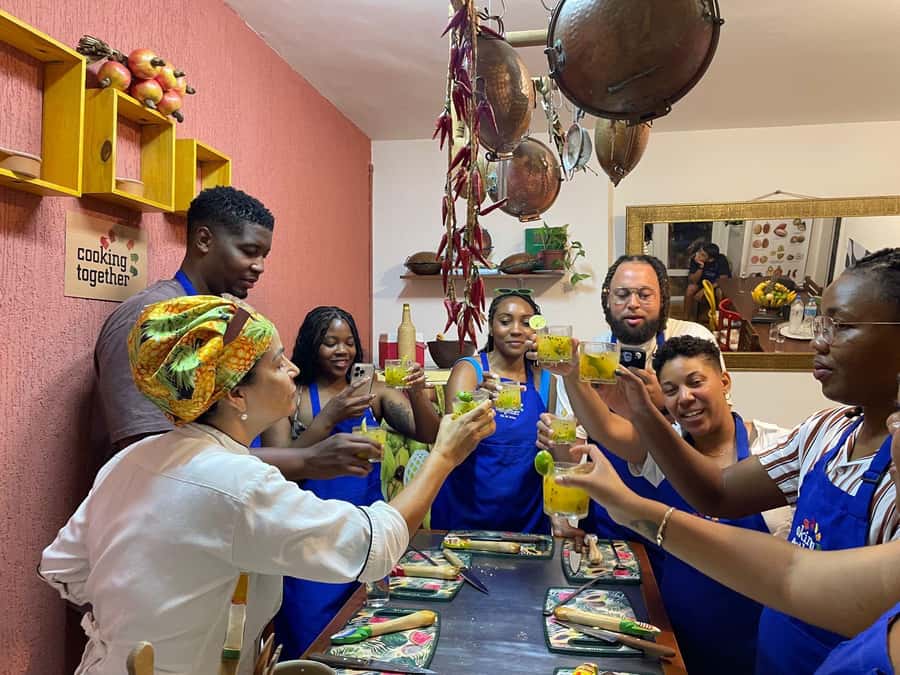
Brazilian food makes the best kind of souvenir: one you can cook again. This four-hour Copacabana class puts you beside a local chef to prepare feijoada or seafood moqueca, then adds cheese with pepper jelly, sausage flambéed in cachaça, brigadeiro, caipirinha, and coconut shake.
I like the choice between Brazil’s famous black bean and pork stew and the coconut-based seafood dish. I also like the cultural stories woven into the cooking, plus the round-trip hotel transfer, which saves you from figuring out Rio traffic after a few caipirinhas.
The main consideration is timing. The class begins in the afternoon, and traffic can stretch the four-hour schedule during high season. Also, dessert is prepared in the menu description but listed as not included, so I would confirm exactly what is covered before booking.
In This Review
- Key points to know before you book
- Why a Rio cooking class is worth your afternoon
- Hotel pickup makes the afternoon easier
- Choosing between feijoada and seafood moqueca
- Learning the stories behind the food
- Side dishes that make the meal feel like Brazil
- Mixing caipirinha and coconut shake
- Sitting down to eat what you made
- How the $117 price works for you
- Who will enjoy this most
- Practical details to settle before booking
- Should you book the Copacabana cooking class?
- FAQ
- How long does the cooking class last?
- Where does the cooking class take place?
- Is hotel pickup included?
- Can I be picked up in Barra da Tijuca or Recreio dos Bandeirantes?
- Which main dishes can I choose?
- What other dishes will I prepare?
- Are drinks included?
- Is dessert included?
- What languages does the instructor speak?
Key points to know before you book
- Choose your main dish: Pick hearty feijoada or seafood moqueca before cooking begins.
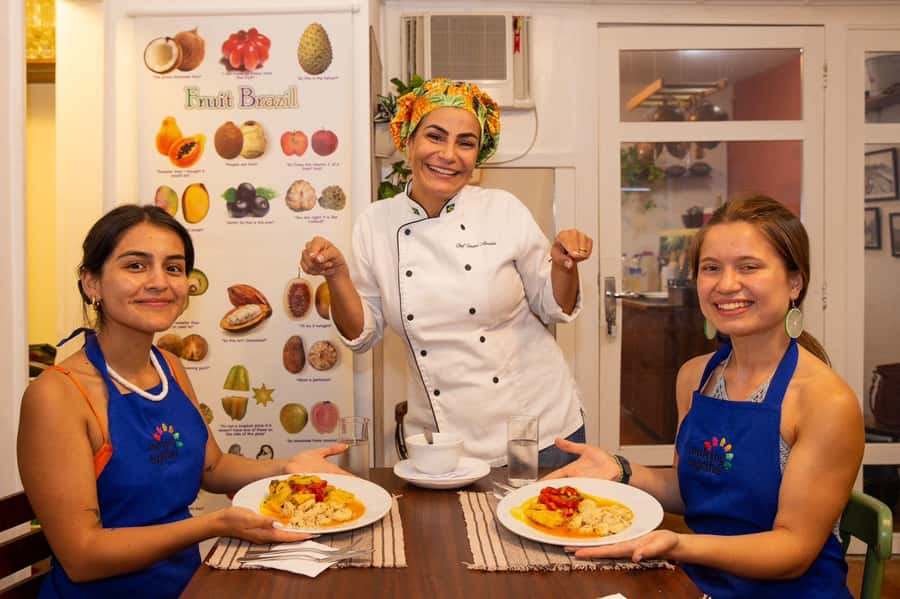
- Cook with named local chefs: Carina and Simone are the instructors praised for clear teaching, patience, and cultural insight.
- Make more than dinner: You also prepare coalho cheese, sausage with onion, brigadeiro, and two Brazilian drinks.
- Hotel pickup covers key areas: Pickup is offered from most hotels in Leblon, Ipanema, Copacabana, Leme, Botafogo, Flamengo, Centro, and the cruise port.
- Private classes may be possible: One booking was a private class for a couple, though group size is not guaranteed.
- Allow extra time in busy periods: Rio traffic can make the trip last longer than four hours in high season.
Why a Rio cooking class is worth your afternoon
Rio offers plenty of postcard scenery, but a cooking class gives you a different way to understand the city. You learn what people eat, how they season it, and why certain dishes matter at the table.
I especially like this experience for repeat visitors who have already seen Sugarloaf and Christ the Redeemer. It also suits first-time visitors who want a relaxed afternoon activity with a meal built in.
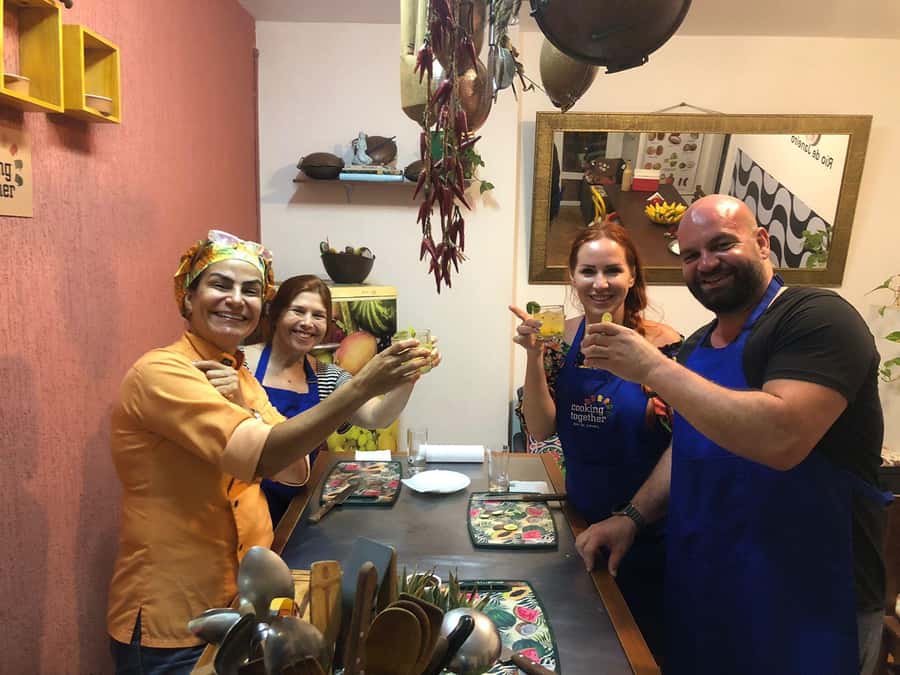
The class takes place in a chef’s kitchen in Copacabana. That setting matters. You are not simply watching a restaurant demonstration or eating a dish prepared in advance. You handle ingredients, follow the steps, and sit down to taste the result.
The price is $117 per person. That is not a bargain meal, but it includes the class, ingredients, and round-trip transfer from a long list of Rio neighborhoods. If you would otherwise pay for transport and a separate dinner, the price becomes easier to justify. The real value is the instruction and the chance to learn dishes that are difficult to understand from a restaurant menu alone.
A few more Rio tours worth weighing up
- Rio de Janeiro: Brazilian Cooking Class in Rio de Janeiro
★ 5.0 · 4 reviews
Hotel pickup makes the afternoon easier
Pickup is available from most hotels in Leblon, Ipanema, Copacabana, Leme, Botafogo, Flamengo, and Centro. You can also arrange pickup at the cruise port. You need to provide your exact hotel location and confirm the pickup time in advance.
This is useful in Rio, where a short distance on the map can take much longer in traffic. The transfer also removes the uncertainty of finding a private kitchen in an unfamiliar part of Copacabana.
A driver takes you to the chef’s kitchen and returns you to your hotel after the meal. One participant specifically found the driver easy to spot and felt safe during the transfer. That is a small detail, but it matters when you are meeting a vehicle in a large city.
Give yourself a flexible afternoon. The stated duration is four hours, but traffic and heavy crowds can extend the schedule during high season. I would avoid booking a tight evening reservation or airport transfer immediately afterward.
Pickup from Barra da Tijuca or Recreio dos Bandeirantes costs an additional $10 or 40 BRL per person. An adapted vehicle costs an additional $100 or 500 BRL, and reduced mobility or wheelchair needs should be reported in advance.
Choosing between feijoada and seafood moqueca
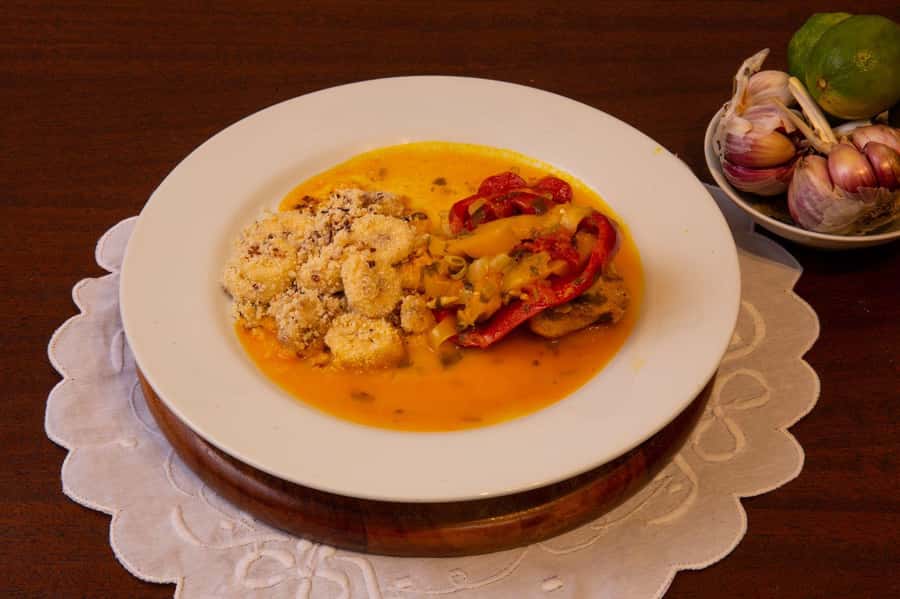
Before the cooking starts, you choose the main dish. This is one of the best parts of the format because the two options show very different sides of Brazilian cooking.
Feijoada is a filling black bean stew made with pork. It is the choice for anyone who wants a substantial, slow-cooked dish with a strong connection to Brazilian food culture. It is also a good pick if you enjoy beans, savory meat, and meals that feel made for sharing.
Seafood moqueca is a fish stew prepared with coconut milk. It offers a lighter, more coastal flavor profile, though coconut milk still gives it body. Choose it if you prefer seafood or want something less heavy than feijoada.
The chef presents the ingredients and explains how to select good produce. That practical advice can be more useful than a list of recipes. You get a sense of what to look for when shopping, not just what to do once everything is already on the counter.
The exact preparation can depend on the chef and the group. The class is offered in Portuguese, Spanish, and English, so confirm your preferred language when arranging the booking.
Learning the stories behind the food
This class is not just a sequence of chopping and stirring tasks. The chef explains the cultural meaning of the dishes before and during the cooking.
That context gives the food more weight. Feijoada becomes more than beans and pork, while moqueca becomes more than fish in coconut sauce. You begin to see how Brazilian cooking reflects regional tastes, local ingredients, and the pleasure of eating together.
The teaching style is a major strength. Carina is praised for making the class fun while helping participants learn a great deal about Brazilian cuisine. Simone is described as patient and thoughtful, with a clear way of explaining the cultural side of each dish.
Those details suggest a class that welcomes different skill levels. You do not need to be a serious home cook. One participant specifically found the class useful for both experienced cooks and people who rarely cook at home.
You should still expect to take part. This is hands-on, not a show where you sit back while the chef does everything. If you like asking questions, tasting ingredients, and learning by doing, you will get more from the experience.
A different side of the city, same few days:
- Rio de Janeiro: 6-Stop Highlights of Rio with Lunch
★ 4.4 · 5,157 reviews - Christ the Redeemer Entry Ticket by Corcovado Train
★ 4.4 · 4,476 reviews - Rio de Janeiro: Rocinha Favela Walking Tour with Local Guide
★ 4.8 · 3,052 reviews - Rio: Christ the Redeemer, Sugarloaf, Selaron & BBQ Lunch
★ 4.5 · 2,428 reviews
Side dishes that make the meal feel like Brazil
The main course is only part of the afternoon. You also prepare several smaller dishes, and these may be the most memorable things to recreate at home.
Coalho cheese with pepper jelly gives you a salty and sweet combination that works well as a starter or snack. It is simple enough to repeat in your own kitchen, but distinctive enough to remind you of Brazil.
Sausage with onion flambéed in cachaça adds a little theater and a clear local touch. Cachaça is Brazil’s cane spirit, and using it in the dish connects the cooking to one of the country’s best-known drinks.
You should pay close attention during the flambé step and follow the chef’s instructions. The point is not only the finished sausage. It is learning how the spirit changes the flavor and how to handle the preparation safely.
The dessert is brigadeiro, a beloved Brazilian sweet. It is a small, rich chocolate treat and a fitting finish to a menu that begins with savory food and drinks.
There is one booking detail worth clarifying. Brigadeiro appears in the planned cooking menu, but dessert is also listed among the items not included. Since the information conflicts, ask the operator what dessert coverage means before you pay. Do not assume every sweet item is included without confirmation.
Mixing caipirinha and coconut shake
The drinks keep the class from feeling like a standard cooking lesson. You mix a traditional caipirinha and a coconut shake to serve with the meal.
The caipirinha is the natural match for the savory dishes. You get to participate in making it rather than simply receiving one at the table, which makes the drink part of the lesson.
The coconut shake offers a softer, refreshing contrast. It also echoes the coconut milk used in moqueca, tying the drinks and food together.
Additional drinks are not included, so the included beverages are the ones prepared during the class. If you want anything else, budget separately. Since you may be cooking with cachaça, I would also keep the afternoon unhurried and let the return transfer handle the ride.
Sitting down to eat what you made
After the cooking, you sit down for the meal in a social setting. This is where the class pays off. You can taste the finished dishes while remembering the work behind each one.
The format is naturally conversational. You share food and stories with the other people in the class, although the exact group size is not specified. One couple had a private hands-on class, so a private booking may sometimes be available, but you should not count on that unless confirmed.
I like the meal because it gives you a chance to compare the two sides of Brazilian cooking if you are traveling with someone who chooses a different main dish. If everyone in your group must eat the same dish, ask how the selection works before booking.
The cooking also gives the meal a sense of place. You are not just eating Brazilian food in Rio. You are learning the names, ingredients, techniques, and reasons behind it.
How the $117 price works for you
At $117 per person, this is best viewed as a four-hour food experience with transportation, not simply a cooking lesson. The price includes round-trip transfer, instruction, and ingredients for the dishes.
That can be good value if you are staying in one of the covered neighborhoods and would like a full afternoon activity without arranging taxis. It is less compelling if you only want a quick meal or already have easy access to a cooking class near your accommodation.
The included ingredients also make the cost easier to understand. You are not buying groceries yourself, and you do not have to guess which cuts of meat, seafood, cheese, or drink ingredients are needed.
The class can also replace part of your dinner budget. You cook and eat a complete Brazilian menu, including side dishes and prepared drinks. Still, check the dessert point and any extra beverages so the final cost does not surprise you.
You can reserve now and pay later, which helps if your Rio schedule is still changing. Free cancellation is available up to 24 hours before the activity for a full refund.
Who will enjoy this most
I would recommend this class to several kinds of visitors:
- Food-focused visitors who want more than restaurant recommendations.
- Repeat Rio visitors searching for an activity beyond the usual sights.
- Couples who like a private or hands-on experience and do not mind an afternoon indoors.
- Families and mixed-skill groups who want a meal where beginners can participate.
- Cooks at home who want recipes, ingredient tips, and techniques to use later.
- Cruise passengers who can arrange pickup from the port and want a structured Rio activity.
I would be more cautious if you have a narrow diet, dislike seafood, avoid pork, or do not drink alcohol. The available main dishes are feijoada and seafood moqueca, and one side dish uses cachaça. Ask about substitutions before booking rather than assuming they are available.
The class also may not suit you if you want an outdoor Rio experience. You will spend the core of the afternoon inside the kitchen, with the city’s famous views replaced by food preparation and conversation.
Practical details to settle before booking
The instructor can teach in English, Portuguese, or Spanish. State your preferred language when you contact the operator, especially if cultural explanation is a major reason for booking.
Bring your own knives if you want to use them. That is optional, not required.
Tell the operator in advance if you have reduced mobility or use a wheelchair. An adapted vehicle has an extra charge of $100 or 500 BRL. The class location and kitchen setup should also be discussed directly if you need specific access arrangements.
Confirm the pickup time and location before the afternoon begins. Most hotels in the listed areas are covered, but the operator needs your hotel details. Pickup from Barra da Tijuca or Recreio dos Bandeirantes carries an additional charge.
Finally, leave room in your schedule for traffic. Rio can be slow in high season, and a four-hour activity may run longer than the stated time once transfers are included.
Should you book the Copacabana cooking class?
I would book this if you want a personal way to understand Brazilian food, especially if you have already covered Rio’s major sights. The strongest reasons are the choice of feijoada or moqueca, the cultural explanations from chefs such as Carina and Simone, and the fact that you make the full meal rather than simply watch it.
The $117 price makes the most sense when you value the included transport and dinner as much as the instruction. Confirm the dessert policy, pickup details, dietary questions, and any accessibility needs before paying.
Skip it if you want a fast meal, a sightseeing tour, or a low-cost activity. Book it if you want to leave Rio with a few Brazilian recipes, a better feel for local food, and the memory of making dinner with a chef.
FAQ
How long does the cooking class last?
The activity lasts four hours, including the cooking class and meal. Transfers are included, and high-season traffic can make the overall schedule longer.
Where does the cooking class take place?
The class takes place in a chef’s kitchen in Copacabana, Rio de Janeiro.
Is hotel pickup included?
Yes. Round-trip transfer is included from most hotels in Leblon, Ipanema, Copacabana, Leme, Botafogo, Flamengo, and Centro. Pickup is also available from the cruise port.
Can I be picked up in Barra da Tijuca or Recreio dos Bandeirantes?
Yes, but pickup from those areas costs an additional $10 or 40 BRL per person.
Which main dishes can I choose?
You can choose between feijoada, a black bean stew with pork, and seafood moqueca, a fish stew made with coconut milk.
What other dishes will I prepare?
The menu includes coalho cheese with pepper jelly, sausage with onion flambéed in cachaça, and brigadeiro. The class also includes preparation of a caipirinha and a coconut shake.
Are drinks included?
The drinks prepared during the class are included in the cooking experience. Additional drinks are not included.
Is dessert included?
The information provided lists brigadeiro as part of the menu but also lists dessert as not included. Confirm this point with Rio Carioca Tours & Service before booking.
What languages does the instructor speak?
Instruction is available in Portuguese, Spanish, and English.
Just added around Rio
- Rocinha Jeep Tour: A Journey into the Soul of the Favela!★ 3.8 · 3 reviews
- Tijuca National Park and all its wonders!★ 5.0 · 3 reviews
- Rio: Best Dive Experience All Inclusive Scuba Diving Package★ 5.0 · 3 reviews
- Rio de Janeiro: Doors-off 30-min helicopter tour★ 5.0 · 3 reviews
- Rio de Janeiro: Hang gliding adventure★ 3.7 · 3 reviews
- Pedra Bonita Trail: The easiest trail with a beautiful view of Rio★ 4.6 · 3 reviews
- Rio de Janeiro Secluded Beaches: Hike+Swim Prainha & Grumari★ 5.0 · 3 reviews
- Unforgettable Boat Party★ 5.0 · 3 reviews
Workshops, compared.







Surf lessons with local instructors in Copacabana/ipanema!
Read our review →
Rio Experience: Caipirinha Workshop (2 Caipis) + Funk Class
Read our review →Browse the lists this tour appears in