
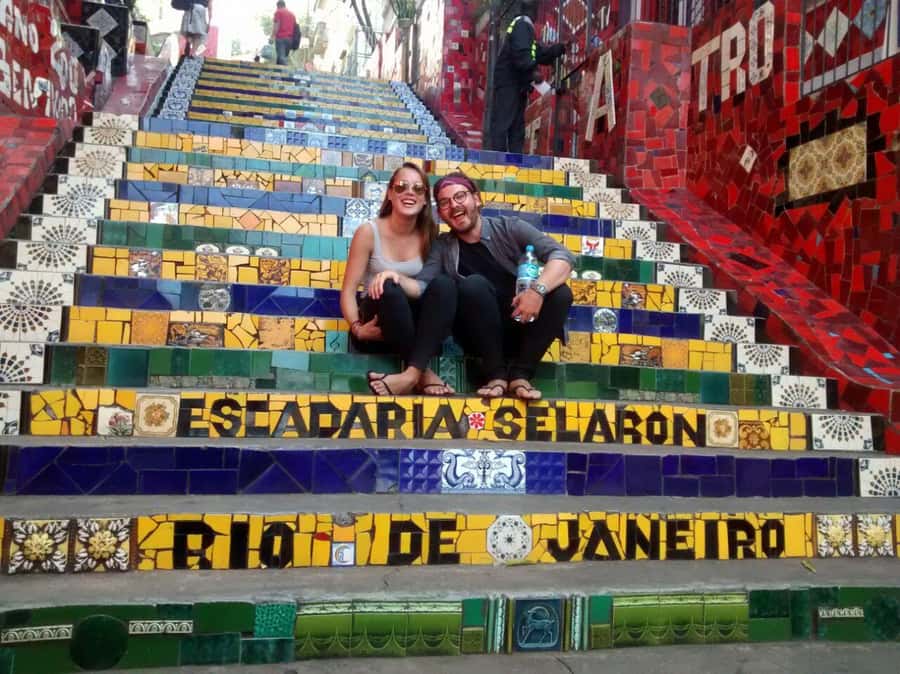
Reviewed · SELARóN STEPS & SANTA TERESA
Santa Teresa – Bohemia and Art
Santa Teresa’s best trick is how quickly it shifts from Rio city streets to cobblestones, old mansions, yellow trams, and open views toward Christ the Redeemer. I like the mix of architecture and street art, which gives this three-hour walk more texture than a simple viewpoint stop.
I also like the pause for açaí and pão de queijo, two easy ways to taste something local without turning the tour into a long meal. The main catch is the tram: if the line is longer than an hour, you will take taxis instead, and one past departure lost some of its Santa Teresa focus when that backup plan led to unrelated city sights.
In This Review
- Key points to know before you go
- Why Santa Teresa makes a good half-day outing
- The tram question: charm or time-consuming wait
- Cobblestones, mansions, and yellow cars
- Parque das Ruinas and the house of Laurinda Santos Lobo
- Açaí and pão de queijo: a small food stop with a local purpose
- The guides are the difference
- What the three hours really include
- Is $60 a fair price?
- Who should book this walk?
- My booking advice
- FAQ
- Where does the Santa Teresa tour meet?
- How long does the experience last?
- Is a tram ride guaranteed?
- What food is included?
- What languages are available?
- Do I need comfortable shoes?
- Can I bring luggage or a large bag?
- Does the tour run in rain?
- Is hotel pickup included?
- Can I cancel the booking?
Key points to know before you go

- The yellow tram is part of the plan, not a guarantee: A line longer than one hour means taxis are used to protect the tour schedule.
- Parque das Ruinas is the visual high point: The restored mansion offers wide views of Rio and a look at upper-class life during Brazil’s imperial era.
- This is a real walking tour: Cobblestones, slopes, and three hours on foot make comfortable shoes essential.
- The food stop is simple but useful: You will taste açaí and pão de queijo rather than sit down for a full meal.
- Guides make a large difference: Rafael and Fernanda have led especially well-regarded departures, with Rafael noted for historical stories and Fernanda for her attentive style.
- The tour suits curious walkers, not rushed sightseers: Art, history, and neighborhood atmosphere matter more here than checking off a long list of attractions.
Why Santa Teresa makes a good half-day outing
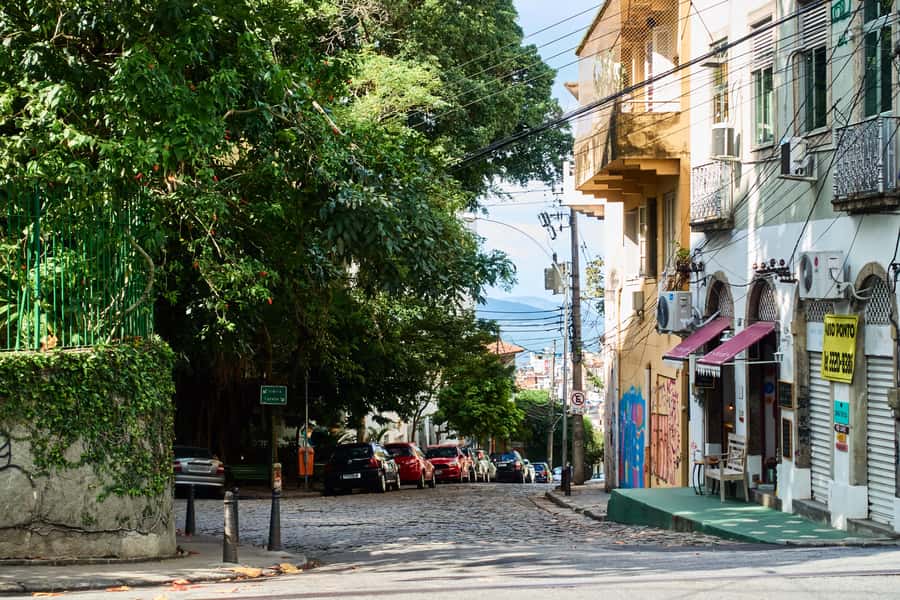
Santa Teresa is the bohemian heart of Rio, but that label can be too tidy. The neighborhood is not a single attraction. It is a hilltop area of old houses, narrow cobblestone streets, murals, galleries, cafés, and passing trams, with the city appearing below at unexpected turns.
That mixture is the reason I would choose a guided walk here. You are not simply looking at pretty façades. You are hearing how the neighborhood connects to the Brazilian Empire, the city’s belle époque, local art, and the yellow tram system that still gives Santa Teresa its famous look.
The tour begins at the Santa Teresa tram station. After roughly 15 minutes of travel, the walking portion gets under way. The exact feel of that opening depends on the tram queue, so keep expectations flexible from the start.
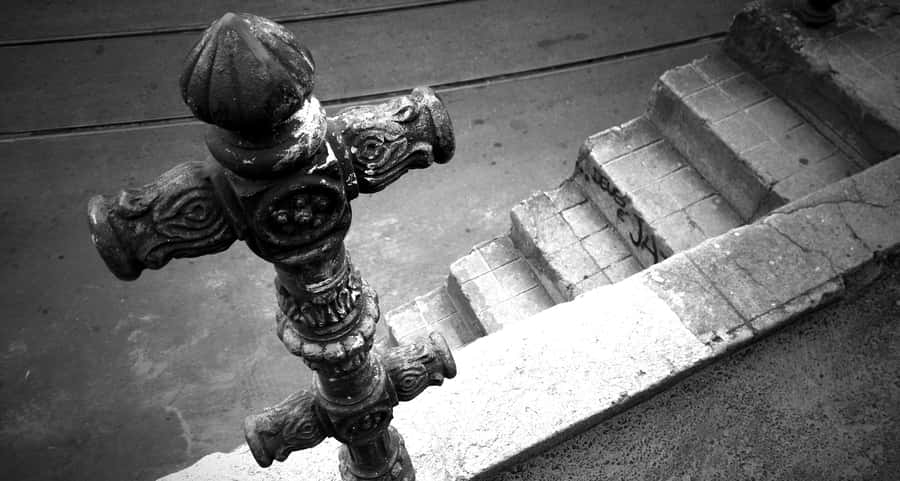
The neighborhood rewards a slow pace. You need time to notice ironwork, painted walls, tiled details, and the contrast between grand homes and informal urban art. A guide can point out what you might otherwise pass without a thought.
More of Santa Teresa and the Selaron Steps:
- Rio: Christ the Redeemer, Sugarloaf, Selaron & BBQ Lunch
★ 4.5 · 2,428 reviews - Rio de Janeiro: Christ, Selaron Steps, and Tijuca Park Tour
★ 4.7 · 857 reviews - Santa Teresa, Lapa, and Cinelândia with Tram Ride and Selarón Steps
★ 4.5 · 274 reviews
The tram question: charm or time-consuming wait
The yellow Santa Teresa tram is one of Rio’s most recognizable sights. Riding it adds a pleasant sense of occasion, and the short journey helps set up the neighborhood walk instead of dropping you into Santa Teresa by car.
There is one important condition. If the line is more than one hour, the group will not wait. Taxis will be used to reach Santa Teresa, and the tour time will remain roughly the same.
That rule is sensible for a three-hour outing, but it changes the experience. A taxi gets you where you need to go, while the tram gives you a piece of Santa Teresa’s character. If riding the tram is your main reason for booking, this uncertainty matters.
I would treat the tram as a welcome bonus rather than the core product. The real value should come from the guide, the walking route, the neighborhood stories, and Parque das Ruinas. If the line is long, you should not feel that the tour has failed, but you may feel disappointed if the tram was your top priority.
A past departure also shows why the substitute route matters. When the tram was unavailable, the group visited the National Library and the Justice Court before taking taxis. Those places did not fit the promised art-focused Santa Teresa experience very well, so it is reasonable to ask the guide at the meeting point what route will be used if the tram queue is too long.
Cobblestones, mansions, and yellow cars

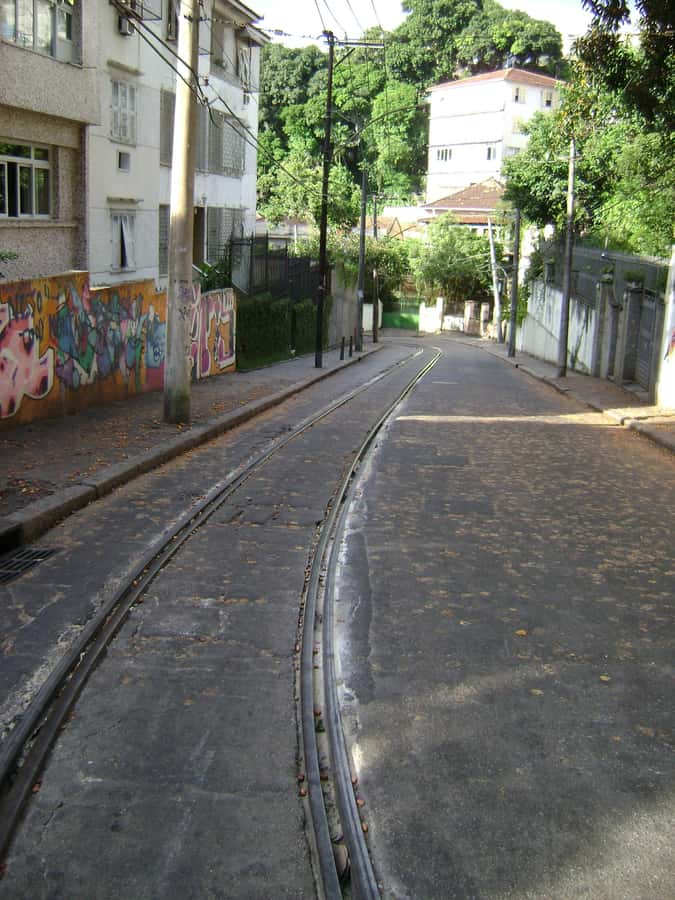
Once the walking section begins, Santa Teresa becomes the star. The route follows cobblestone streets past colonial homes, palaces, and grand residences that recall the neighborhood’s more prosperous past.
I like this part because the architecture is not presented as a polished museum display. You see old buildings in a living neighborhood, alongside murals and everyday streets. The effect is more interesting than a row of restored monuments that have been cleared of ordinary life.
The yellow trams add movement and color to the walk, even if you do not ride one. Their passage helps explain why Santa Teresa has such a distinct identity in Rio’s sightseeing map.
The guide also gives the streets a timeline. You will hear about the area during the Brazilian Empire and the later belle époque period, when large homes reflected the wealth and taste of Rio’s elite. That background gives the mansions more meaning than simply calling them beautiful.
Do not expect every stop to be a formal gallery or open studio. The experience is primarily a neighborhood walk. A gallery stop may be included, but one departure spent too much time in a shop-like gallery, leaving less room for the less obvious corners of Santa Teresa.
That is a useful distinction. You are booking a guided introduction to the district, not a private meeting with artists or a behind-the-scenes art tour. The description suggests local creativity, and you will see murals and art spaces, but a personal visit with a working artist is not promised.
Parque das Ruinas and the house of Laurinda Santos Lobo

The strongest stop is Parque das Ruinas, where the remains of Laurinda Santos Lobo’s mansion provide both history and views. The house was abandoned for more than 50 years before being rehabilitated, and it once represented the style and social world of Rio’s belle époque.
This is where the tour’s title makes the most sense. The site links art, architecture, memory, and geography in one place. You can think about how the house functioned in its grand period, then look outward across Rio and understand why a hilltop neighborhood became such a desirable address.
The panoramic view is a major payoff. You may see Christ the Redeemer from parts of the route, but Parque das Ruinas gives the broader setting: Rio spread below, with the city’s famous landmark helping you orient yourself.
I would save your camera battery for this stop, but do not rush through the building to reach the view. The value is in the contrast between the mansion’s former splendor and its long abandonment. It is a reminder that old buildings can lose their purpose, then find a second life as public cultural spaces.
The tour presents the house as a way to understand life during Brazil’s imperial period. That does not mean you should expect a fully furnished palace or a long museum visit. Think of it as an atmospheric historical stop, supported by the guide’s explanation and the structure itself.
A different side of the city, same few days:
- Rio de Janeiro: 6-Stop Highlights of Rio with Lunch
★ 4.4 · 5,157 reviews - Christ the Redeemer Entry Ticket by Corcovado Train
★ 4.4 · 4,476 reviews - Rio de Janeiro: Rocinha Favela Walking Tour with Local Guide
★ 4.8 · 3,052 reviews - Rio De Janeiro: Half-Day Rocinha Favela Walking Tour
★ 4.7 · 2,272 reviews
Açaí and pão de queijo: a small food stop with a local purpose

The food break includes açaí and pão de queijo. This is not a full lunch, and you should eat beforehand if you need something substantial, but it gives the walk a pleasant pause.
Pão de queijo is a small Brazilian cheese bread with a chewy texture. Açaí is served as a cold, sweet snack and is closely associated with casual Brazilian eating. Together, they make a simple introduction to two familiar local favorites.
I like that the food is built into the outing rather than left as a vague suggestion. You get a taste of Rio without losing a large portion of the three-hour schedule to a restaurant.
At the same time, do not expect a rare culinary discovery. Açaí and pão de queijo are widely available around Rio, and one person found the stop ordinary rather than special. The value comes from the setting and the chance to pause with the group, not from an elaborate tasting menu.
The guides are the difference
This is a guide-led experience, and the guide’s storytelling will shape your day. The tour runs in English, Portuguese, or Spanish, so confirm that your preferred language is available when you check the starting time.
Rafael has been praised for sharing many interesting anecdotes and for being well prepared. That is exactly the kind of guide this route needs. Santa Teresa has plenty of visual material, but the houses and murals become memorable only when someone explains the people, periods, and changes behind them.
Fernanda has also been singled out for knowing the details, being pleasant, and paying close attention to the group. Those qualities matter on a walking route, where a good guide must balance history with pace and make space for questions.
The tour can work especially well if your group is small. On one departure, a solo participant ended up with a private guide and could ask questions throughout the route. You cannot count on having the guide to yourself, but a small group would make this experience more personal.
A warning is useful here. The historical information may feel too general if you want a scholarly account of Santa Teresa or an in-depth look at Rio’s art scene. The better departures appear to gain their strength from the guide’s own preparation and stories, so the person leading the walk matters a great deal.
What the three hours really include
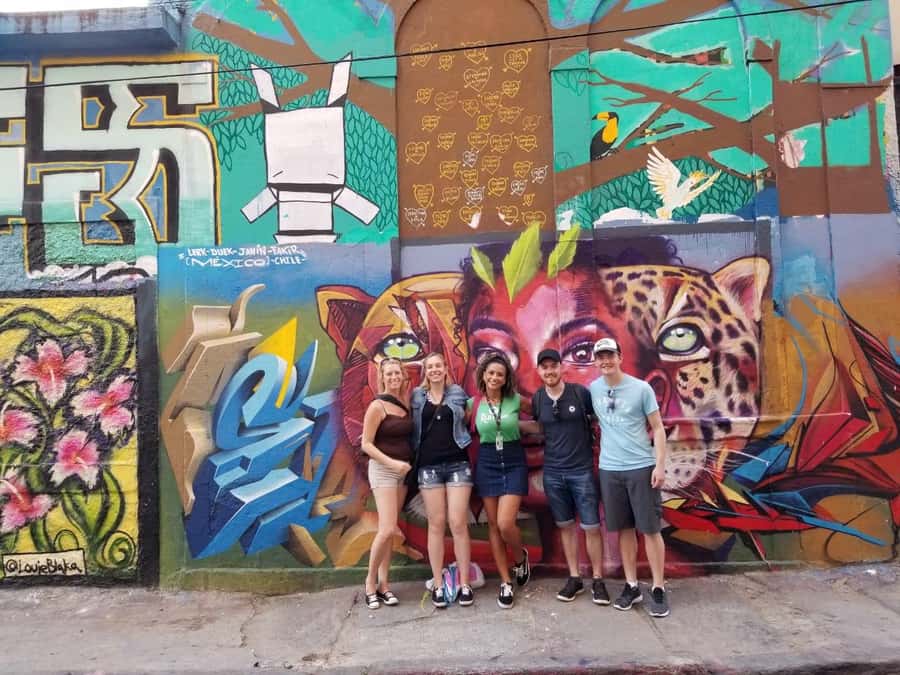
The advertised duration is three hours, but one departure finished in about two and a half hours. That shorter finish may not bother you if you prefer a compact outing, but it is worth keeping in mind when comparing the price with a self-guided visit.
The basic rhythm is:
- Meet in front of the Santa Teresa tram station.
- Travel for about 15 minutes, normally by tram when the line is reasonable.
- Walk the cobblestone streets with historical commentary.
- See colonial homes, palaces, murals, and yellow trams.
- Stop for açaí and pão de queijo.
- Visit Parque das Ruinas and the former Laurinda Santos Lobo residence.
- Take in views that include Christ the Redeemer and Rio.
This is a sensible half-day plan. It gives you a neighborhood, a cultural site, food, and views without requiring a full day away from central Rio.
The weaker version of the tour is less focused. If the tram problem leads to unrelated downtown stops, if too much time goes to a commercial gallery, or if the guide gives only surface-level background, the walk can feel like a route you could have followed with a city guidebook.
Is $60 a fair price?
At $60 per person, the value depends on what you want from Santa Teresa. The fee includes tram tickets, the snack stop, and a live guide in one of three languages. You are paying mainly for interpretation and structure, not for a long list of expensive admissions.
For a first visit, I can see the case for the price. Santa Teresa’s streets are easy to enjoy but less easy to understand, and a good guide can connect the architecture, imperial past, urban art, tram, and views in a way that saves you planning time.
The price is harder to justify if you mainly want to reach Santa Teresa, take photographs, and walk the main road. A taxi or Uber can get you there for much less, and the neighborhood’s major sights are available without this tour.
I would book it for the human element, especially if Rafael, Fernanda, or another strong guide is leading the departure. I would skip it if you expect private artist visits, a detailed museum tour, or guaranteed tram travel.
Who should book this walk?

This outing fits you best if you enjoy walking through old neighborhoods and stopping often for stories, views, and small details. It is also a good choice if you want something different from Rio’s headline beaches and major monuments.
It suits first-time visitors who want a guided orientation to Santa Teresa. The tour can also work for repeat visitors who would rather hear local context than simply wander the streets again.
You need comfortable shoes. High heels are not allowed, and large bags or luggage are not allowed, which is practical on cobblestones and narrow streets.
This is not suitable for people with mobility impairments. The route is explicitly a walking tour, and the combination of uneven paving, neighborhood streets, and viewpoint areas should be taken seriously.
Rain does not cancel the experience automatically. The tour runs in wet weather, so bring suitable protection and accept that views, streets, and the food stop may feel different in rain.
My booking advice
Book Santa Teresa: Bohemia and Art if you want a guided introduction to the neighborhood and care about the connection between old architecture, Brazilian history, urban art, and Rio’s views. Parque das Ruinas and the food stop give the route a clear shape, while a strong guide can add the stories that make the streets worth your time.
Book with modest expectations about the tram and art access. You are not guaranteed a tram ride, a working artist visit, or a hidden backstreet route, and the tour can feel ordinary if the substitute itinerary wanders away from Santa Teresa.
My practical advice is simple: wear sturdy shoes, carry a small bag, ask about the tram plan at the meeting point, and choose this tour for its guide-led context rather than transport alone. At $60, that distinction determines whether it feels like good value.
FAQ
Where does the Santa Teresa tour meet?
The meeting point is in front of the Estação de Bondes de Santa Teresa.
How long does the experience last?
The planned duration is three hours. Starting times vary, so you should check availability when booking.
Is a tram ride guaranteed?
No. The group will not ride the tram if the line is longer than one hour. Taxis will be used to reach Santa Teresa instead, without extending the planned tour time.
What food is included?
The tour includes a snack stop for açaí and pão de queijo.
What languages are available?
The live guide is available in English, Portuguese, and Spanish.
Do I need comfortable shoes?
Yes. This is a walking tour on Santa Teresa’s streets, and comfortable shoes are specifically recommended.
Can I bring luggage or a large bag?
No. Luggage and large bags are not allowed. High-heeled shoes are also not allowed.
Does the tour run in rain?
Yes. The tour also takes place when it is raining, so you should be prepared for wet weather.
Is hotel pickup included?
No. Hotel pickup and drop-off are not included.
Can I cancel the booking?
You can cancel up to 24 hours in advance for a full refund. The reserve-now, pay-later option lets you keep your plans flexible and pay nothing at the time of booking.
Just added around Rio
- Rocinha Jeep Tour: A Journey into the Soul of the Favela!★ 3.8 · 3 reviews
- Tijuca National Park and all its wonders!★ 5.0 · 3 reviews
- Rio: Best Dive Experience All Inclusive Scuba Diving Package★ 5.0 · 3 reviews
- Rio de Janeiro: Doors-off 30-min helicopter tour★ 5.0 · 3 reviews
- Rio de Janeiro: Hang gliding adventure★ 3.7 · 3 reviews
- Pedra Bonita Trail: The easiest trail with a beautiful view of Rio★ 4.6 · 3 reviews
- Rio de Janeiro Secluded Beaches: Hike+Swim Prainha & Grumari★ 5.0 · 3 reviews
- Unforgettable Boat Party★ 5.0 · 3 reviews
Selarón Steps & Santa Teresa, compared.

Christ the Redeemer, Sugarloaf, Selaron & BBQ Lunch
Read our review →

Santa Teresa, Lapa, and Cinelândia with Tram Ride and Selarón Steps
Read our review →

Corcovado, Sugarloaf Mountain, and Selarón Steps 6-Hour Tour
Read our review →
Ancient Rio and Santa Teresa Tour with Hotel pick-up and drop-off
Read our review →
Christ the Redeemer & Selarón Steps Half-Day Tour
Read our review →
Christ the Redeemer and Escadaria Selarón Half-Day Tour
Read our review →Browse the lists this tour appears in