

Reviewed · RIO FAVELA TOURS
Favela Tour The Original, Rocinha & Vila Canoas since 1992
Rio’s favelas are not a side note to Rio de Janeiro. They are home to about 20 percent of the city’s population, and this three-hour visit to Rocinha and Vila Canoas gives you a clearer view of how these communities work, grow, and fit into Brazilian society. You walk residential lanes, see local commerce, meet people, and look across Rio from the hillsides.
I like two things right away: the social purpose is clear, with part of the tour helping educational projects, and the guides aim to replace fear with facts rather than turning poverty into a show. I also like the chance to visit a community school and handcraft center, not just stop for a distant photograph.
The main caution is that language arrangements need care. A recent Italian-language departure was changed because no places remained, and one guide chose not to enter Rocinha because of a disputed fee. Confirm your language and route directly before going.
In This Review
- Key points
- Seeing Rio from Rocinha’s hillsides
- Rocinha and Vila Canoas, two useful contrasts
- A school visit with a practical purpose
- Guides who explain the social contrasts
- Walking the lanes, shops, and viewpoints
- Why an organized visit matters
- Pickup from Rio’s South Zone
- Is $33 a fair price?
- Who will get the most from this tour?
- Practical booking advice before you go
- Should you book Favela Tour?
- FAQ
- How long does the Favela Tour last?
- Which favelas does the tour visit?
- Where does pickup take place?
- Where does the tour return you?
- Is transportation included?
- What languages are available?
- What will I see during the walking portion?
- Does the tour include a school visit?
- Should I bring extra money?
- Can I cancel for a refund?
Key points
- Two very different communities: Compare Rocinha, Brazil’s largest favela, with smaller Vila Canoas.
- The tour begins in the vehicle: Your guide starts explaining Rio’s social structure during pickup, not only after arrival.
- A community school visit: The school is financed by Favela Tour and adds a useful local-project element.
- Panoramic hillside views: The route offers broad views over Rio and the South Zone.
- Mostly walking: Expect alleys, slopes, and uneven ground, so wear practical shoes.
- Several guide languages: Tours are offered in English, French, Spanish, Italian, and Portuguese, subject to demand.
Seeing Rio from Rocinha’s hillsides
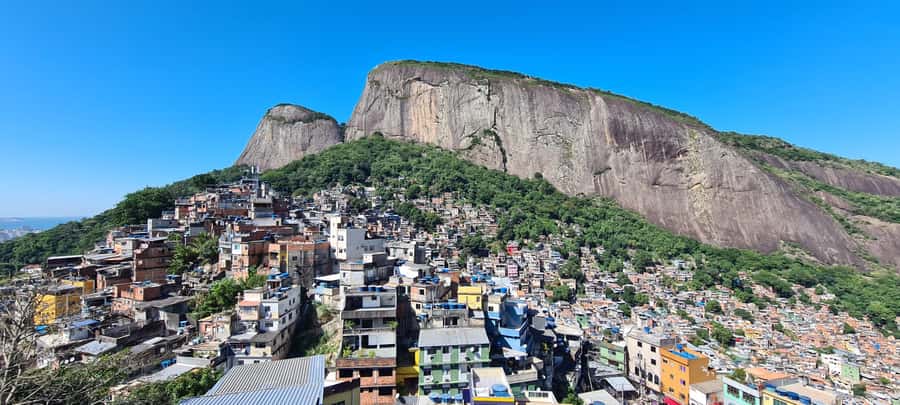
The most useful part of this tour is its change of angle. From Rio’s famous beaches, the city can look like a postcard of sand, mountains, and sea. From Rocinha, you see another Rio, one shaped by steep hills, dense construction, small businesses, and close community ties.
Rocinha is the largest favela in Brazil. It is picturesque from a distance, but the view changes as you enter its lanes. Buildings and homes sit close together, commercial activity fills the lower levels, and the route reveals how people have made a working neighborhood on former public hillside land.
Your guide explains the background as you go. That matters because the physical setting can be hard to read on your own. A narrow passage may serve homes, shops, and daily foot traffic at once. A high viewpoint may show both expensive parts of Rio and crowded hillside housing within the same frame.
I would not come expecting a museum-style tour with carefully arranged exhibits. This is a walking visit through active communities. You see ordinary residential and commercial areas, and the experience depends on listening, watching, and treating the setting with respect.
More community tours in Rocinha, Vidigal and Santa Marta:
- Rio de Janeiro: Rocinha Favela Walking Tour with Local Guide
★ 4.8 · 3,052 reviews - Rio De Janeiro: Half-Day Rocinha Favela Walking Tour
★ 4.7 · 2,272 reviews - Rio de Janeiro: Favela Santa Marta Top Tour with Local Guide
★ 4.9 · 488 reviews
Rocinha and Vila Canoas, two useful contrasts
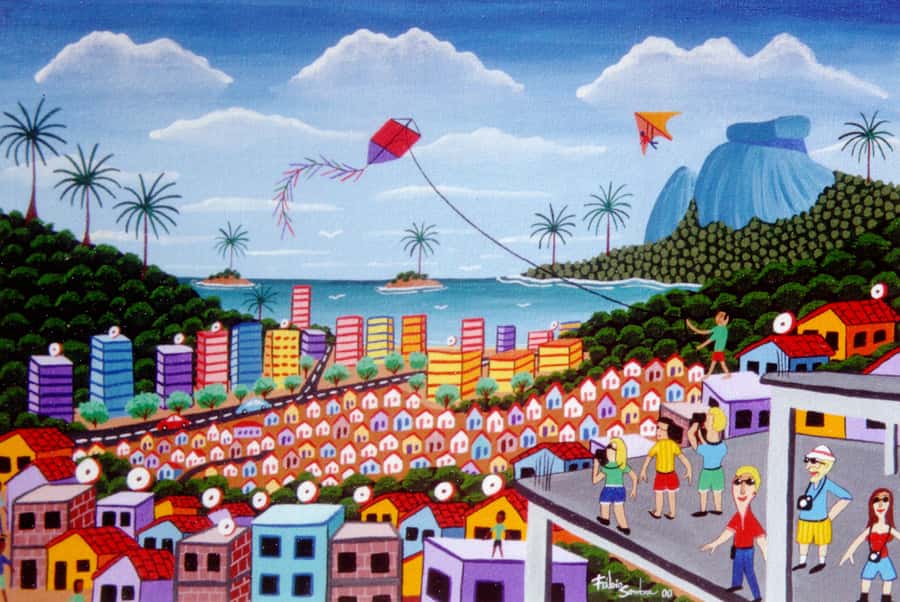
The route includes both Rocinha and Vila Canoas. That comparison is one of the strongest reasons to choose this experience instead of a quick drive past a favela.
Rocinha gives you scale. Its size helps explain why favelas are not simple clusters of improvised homes, but functioning urban districts with shops, schools, homes, and local projects. The dense architecture can feel confusing at first, which is exactly why a local guide is important.
Vila Canoas offers a different sense of place. The two communities are not presented as identical, and visiting both helps you see that the word favela covers many kinds of neighborhoods. The route includes residential areas, commercial activity, and community spaces rather than treating the communities as one uniform subject.
You should expect the walking portion to last about two hours and 15 minutes, with the full outing taking three hours. That leaves enough time to see both areas without turning the visit into an exhausting full-day commitment. It also means the pace is fairly purposeful. If you want long stops for photography, you may find the schedule tight.
A school visit with a practical purpose
The community school is a key stop. Favela Tour helps finance it, so your booking connects with a local educational project rather than only paying for transport and guiding.
This is important for two reasons. First, it gives you something concrete to understand. Discussions about poverty, exclusion, and public services can stay abstract, but a school shows how community needs become daily work. Second, it gives the tour a constructive role in the neighborhood.
The school is not a substitute for learning about the entire Brazilian education system, and the supplied details do not promise a long classroom visit or a meeting with students. Think of it as one stop within a broader walk. Still, it is more useful than a tour that offers only dramatic views and quick photographs.
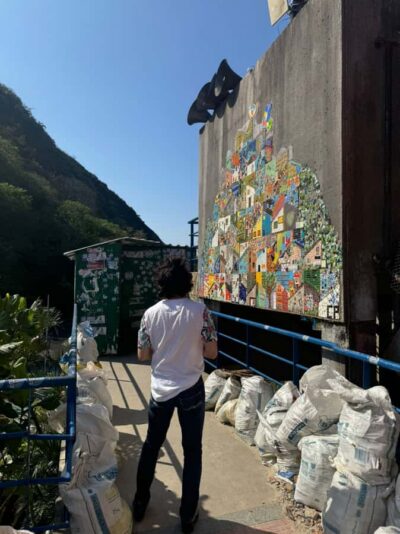
Other local projects and a handcraft center are also part of the route. Bring extra money if you may want a drink, snack, or local handicraft. Buying something is optional, but it gives you a direct way to support local commerce.
Guides who explain the social contrasts

The guide makes or breaks a tour like this. The strongest reports describe guides who speak clear English and explain both the positive sides and the serious challenges of favela life. Mateo and Francesco are names associated with recent departures, and both were praised for giving social and historical context.
The guide’s job is not simply to point out buildings. You need someone who can explain why favelas developed, why many were built on hillsides, how they relate to the rest of Rio, and why outsiders often misunderstand them. The tour is designed to discuss Brazil’s socioeconomic structure, including its contrasts and contradictions.
Language can affect the amount of detail you receive. English, French, Spanish, Italian, and Portuguese are available, but tours in languages other than English may depend on wider demand. A multilingual guide may need to repeat each explanation several times. One visitor found the English explanations excellent but wished for more information, possibly because the guide was translating into several languages.
That is a fair tradeoff to understand before booking. If you need a particular language, confirm it by phone, email, or WhatsApp before the day. Do not rely on a hotel employee or an informal middleman to sort it out.
A different side of the city, same few days:
- Rio de Janeiro: 6-Stop Highlights of Rio with Lunch
★ 4.4 · 5,157 reviews - Christ the Redeemer Entry Ticket by Corcovado Train
★ 4.4 · 4,476 reviews - Rio: Christ the Redeemer, Sugarloaf, Selaron & BBQ Lunch
★ 4.5 · 2,428 reviews - Rio de Janeiro: Angra dos Reis and Ilha Grande Full-Day Tour
★ 4.6 · 1,673 reviews
Walking the lanes, shops, and viewpoints
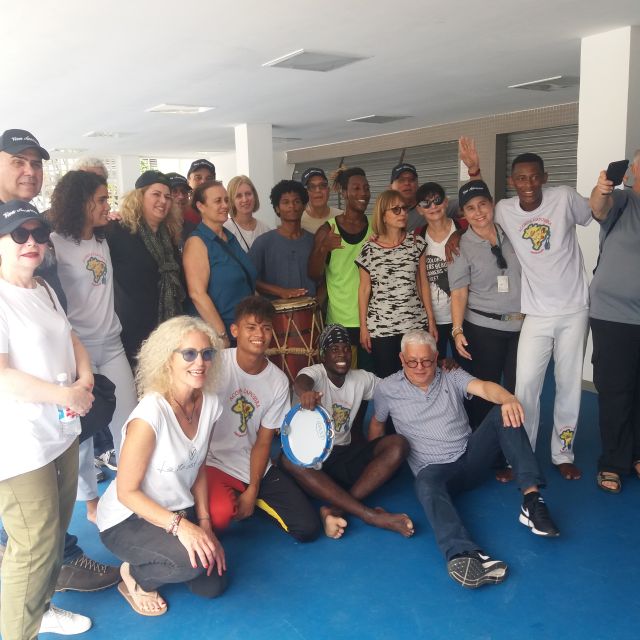
This is mostly a walking tour. Your vehicle gets you to the communities, but the real experience starts when you leave it and enter the lanes.
Wear shoes that can handle walking and slopes. The supplied details do not describe the exact surface or level of difficulty, so I would avoid flimsy sandals if you are not comfortable on uneven streets. Come ready to walk, and carry only what you need.
The route includes residential areas and commercial streets. That mix helps keep the experience grounded. You are not seeing a staged attraction. You are passing through places where people live and work, so your behavior matters. Follow the guide’s instructions, ask before taking close-up photographs, and do not block doorways or shop entrances.
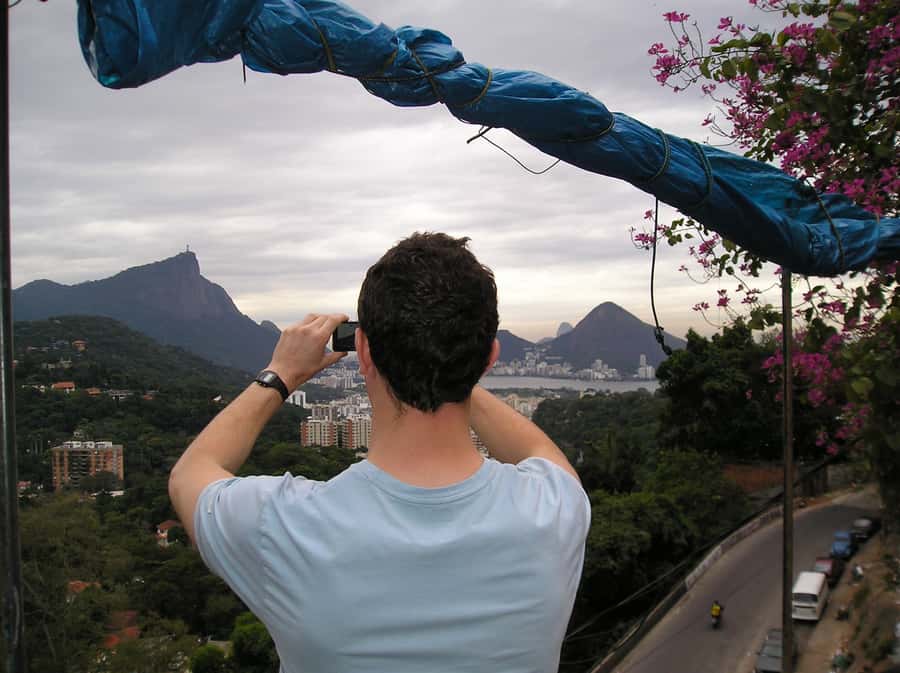
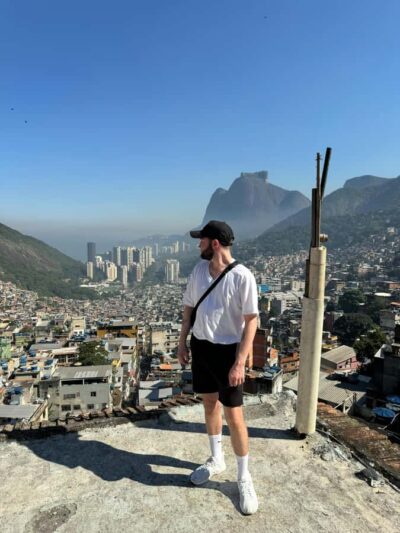
The views are a major reward. From the hills, Rio opens out in wide, dramatic panoramas. You can appreciate the city’s geography and its unequal development at the same time. The same hills that create beautiful viewpoints also help explain why transport, housing, and public services can be difficult to provide.
Why an organized visit matters
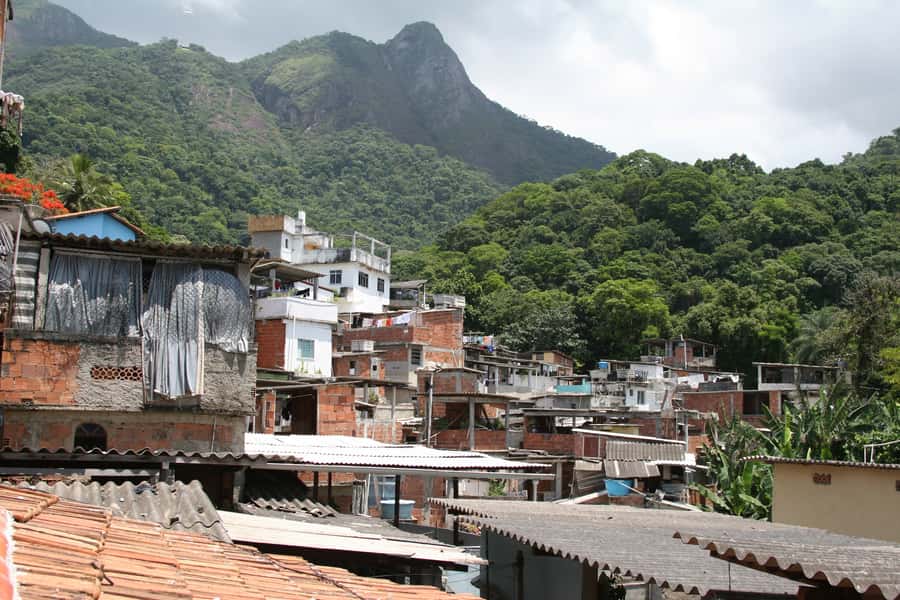
The tour presents favelas as safer than many outsiders assume, but it also gives sensible advice: visit with an organized tour. That is not a contradiction.
A guide helps you move through the community with local knowledge and a clear purpose. You are less likely to wander into a private area, miss the context, or misread what you see. The vehicle pickup and return also remove the need to work out your own route from the beach districts.
The social tone is also important. This tour is meant to welcome visitors into the community rather than have them observe from a distance. You are introduced to local spaces and projects, and the operator says your visit contributes to educational work.
Still, respectful intentions do not make every photograph appropriate. Use common sense. Listen more than you perform, do not treat residents as scenery, and remember that the tour passes through someone’s home neighborhood.
Pickup from Rio’s South Zone
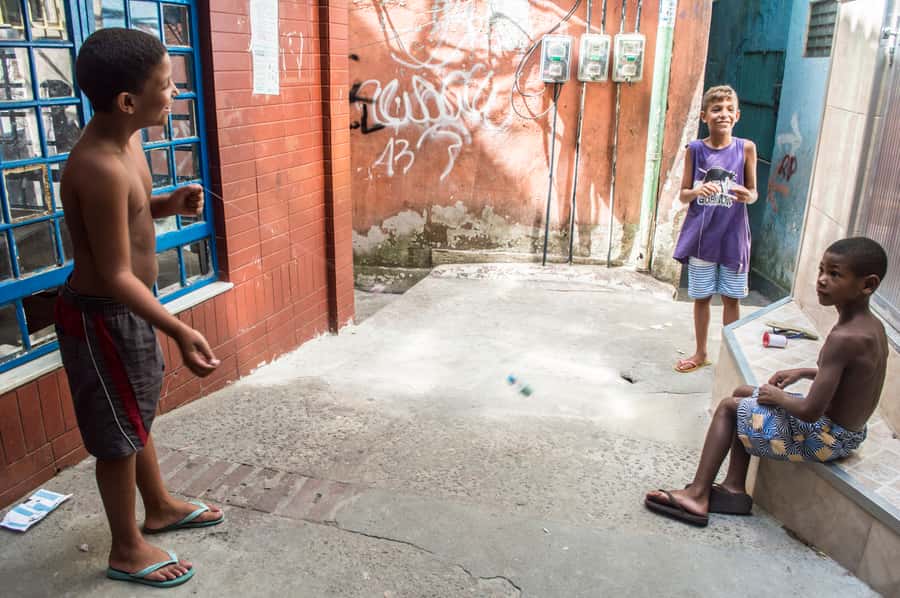
Pickup is included from much of Rio’s South Zone, including Leme, Copacabana, Ipanema, Leblon, and São Conrado. The usual meeting points are hotels, often near the beachfront, rather than every hotel entrance.
You may be asked to go to a specific nearby hotel if your accommodation is not on the regular route. Confirm the exact pickup point before the day, especially if you are staying away from the main beach areas.
The return follows the same general zones: São Conrado, Ipanema, Leblon, and Copacabana Beach. This arrangement is useful because it turns a potentially awkward trip into a compact half-day activity. It also means you should not assume door-to-door service from every address.
The tour begins when you get into the vehicle. The guide starts providing information during transportation, so do not think of the ride as dead time. That early explanation helps prepare you for what you will see on foot.
Is $33 a fair price?
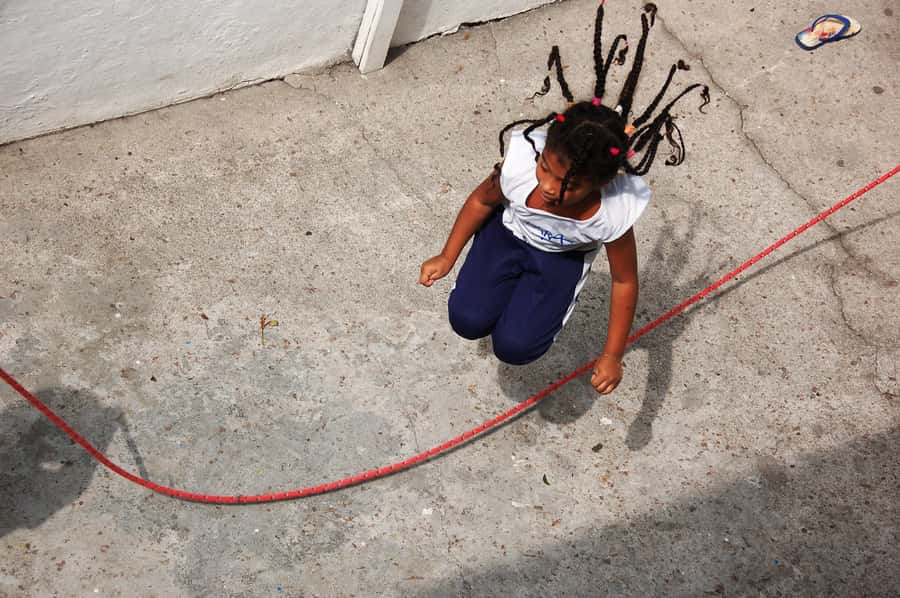
At $33 per person, the tour offers reasonable value if you want transport, a guide, two communities, and a community-project connection in one three-hour outing.
A cheaper self-guided visit would not provide the same context or local coordination, and going alone is not recommended. The price also includes pickup and return from much of the South Zone, which saves you from arranging separate transport.
The value depends on what you want. If you only want a quick viewpoint photograph, this may feel like too much time and explanation. If you want to understand part of Rio’s social structure and are willing to walk through active neighborhoods, the cost is more convincing.
The educational purpose adds weight. You are not simply paying for access to a hillside view. You are supporting a tour that finances a community school and local educational projects. That does not erase the city’s difficult social problems, but it gives your visit a more useful purpose.
Who will get the most from this tour?
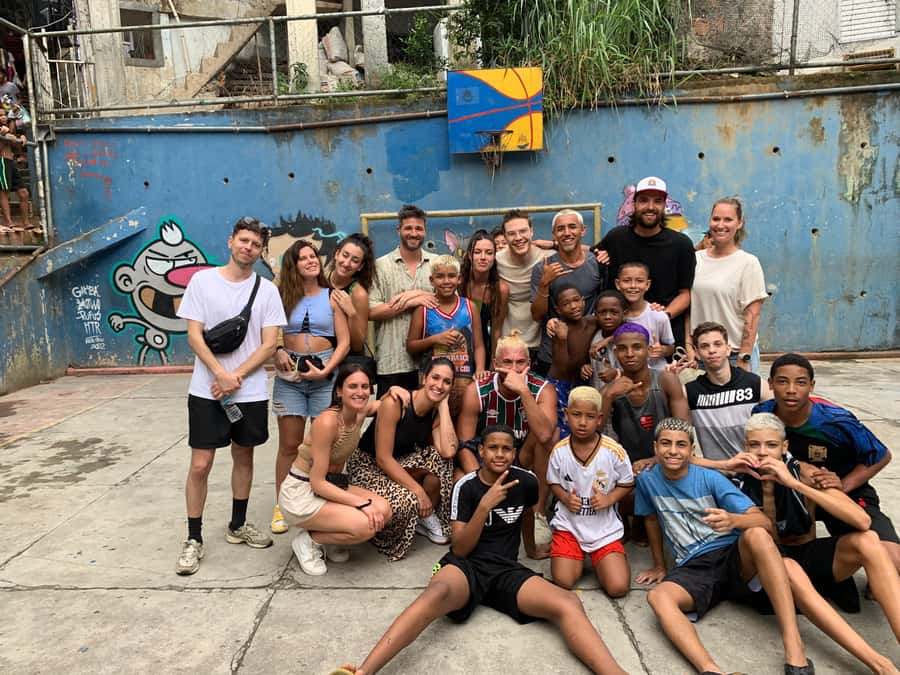
I would choose this for you if you want a serious look at Rio beyond beaches, sugarloaf views, and historic center highlights. It suits curious visitors who can listen, walk, and accept that the experience will not be polished like a conventional attraction.
It is especially useful early in a Rio stay. Once you understand that favelas are home to a large part of the city’s population, later views of Rio make more sense. You start seeing the city as a place of sharp contrasts rather than a holiday backdrop.
Families and older visitors should consider the walking element and confirm the route details before booking. The provided information does not specify accessibility arrangements, so do not assume the lanes will suit wheelchairs or anyone who struggles with slopes.
This is not the best choice for someone who wants a quiet, private outing. Group transport and multilingual explanations can reduce the amount of time available for questions. The tour also depends on current local conditions, as shown by the report of a guide choosing not to enter Rocinha on one departure.
Practical booking advice before you go
Confirm three details directly: your pickup hotel, your language, and the plan to visit both Rocinha and Vila Canoas. This is especially important for Italian, French, Spanish, or Portuguese departures, since language-specific tours may need to fit wider demand.
The operator advises using phone, email, or WhatsApp for confirmation. Follow that advice, and avoid asking an unrelated person in Rio to confirm your reservation. Middlemen can create confusion about meeting points, prices, and what is actually included.
Bring money for drinks, snacks, or handicrafts. Wear practical clothes and shoes, keep your belongings manageable, and arrive ready for a walking tour rather than a bus sightseeing ride.
The booking terms are flexible: you can cancel up to 24 hours before departure for a full refund, and reserve now while paying later. Starting times vary, so check availability for your date.
Should you book Favela Tour?
Book it if you want context instead of a postcard. The strongest parts are the clear explanations, the two-community comparison, the panoramic views, and the visit to a school supported by the tour.
I would book with one condition: confirm the language and route in writing before you go. The overall rating is 4.5 from 113 reviews, and the praise centers on friendly guides, useful social insight, and the school visit. The main warning concerns changing language arrangements and one disputed decision not to enter Rocinha.
For an open-minded visitor who wants to understand more of Brazil’s social structure, this is a worthwhile use of three hours. Go prepared to walk, listen, and see Rio from a viewpoint that many visitors miss.
FAQ
How long does the Favela Tour last?
The tour lasts three hours in total, including transportation and the walking visit.
Which favelas does the tour visit?
The route includes Rocinha, described as the largest favela in Brazil, and Vila Canoas.
Where does pickup take place?
Pickup is available from many hotels in Rio’s South Zone, including areas around Leme, Copacabana, Ipanema, Leblon, and São Conrado. You may be directed to a specific hotel meeting point.
Where does the tour return you?
Return drop-off is available in São Conrado, Ipanema, Leblon, and around Copacabana Beach.
Is transportation included?
Yes. Transportation from and back to most hotels in the South Zone is included.
What languages are available?
Guides may offer the tour in English, French, Spanish, Italian, and Portuguese. Language-specific departures may depend on demand.
What will I see during the walking portion?
You will walk through residential and commercial areas, visit a handcraft center, see a community school, and pass other local projects.
Does the tour include a school visit?
Yes. The route includes a community school financed by Favela Tour.
Should I bring extra money?
Yes, if you want to buy drinks, snacks, or local handicrafts. These purchases are not included in the tour price.
Can I cancel for a refund?
You can cancel up to 24 hours in advance for a full refund. You can also reserve now and pay later.
Just added around Rio
- Rocinha Jeep Tour: A Journey into the Soul of the Favela!★ 3.8 · 3 reviews
- Tijuca National Park and all its wonders!★ 5.0 · 3 reviews
- Rio de Janeiro: Hang gliding adventure★ 3.7 · 3 reviews
- Rio: Best Dive Experience All Inclusive Scuba Diving Package★ 5.0 · 3 reviews
- Rio de Janeiro: Doors-off 30-min helicopter tour★ 5.0 · 3 reviews
- Pedra Bonita Trail: The easiest trail with a beautiful view of Rio★ 4.6 · 3 reviews
- Rio de Janeiro Secluded Beaches: Hike+Swim Prainha & Grumari★ 5.0 · 3 reviews
- Unforgettable Boat Party★ 5.0 · 3 reviews
Rio Favela Tours, compared.



Favela Rocinha Tour with Local Guide & Secret Spots
Read our review →


Sunrise at Morro 2 Irmãos – Vidigal – Rio de Janeiro
Read our review →Browse the lists this tour appears in