
Reviewed · RIO FAVELA TOURS
Rio de Janeiro: Favela Santa Marta Top Tour with Local Guide
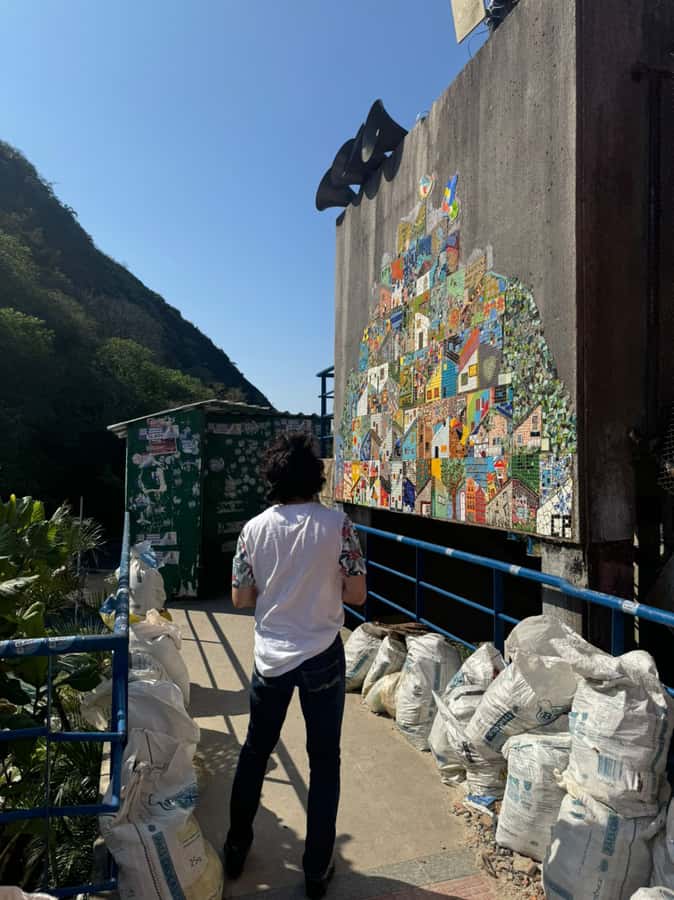
Santa Marta’s best story is told by people who live there. This tour takes you through narrow lanes with a resident guide who knows the neighborhood, its people, and its complicated past. You’ll visit the Michael Jackson statue, hear local samba, and may step inside your guide’s home for a view of daily life that a quick photo stop cannot provide.
I like the local ownership and the way money is directed toward artists, small businesses, and community projects. I also like the guides’ personal approach. Mario, Marco, Luis, Luiz, Raycca, and others are described as warm, involved residents who can explain both the good parts of Santa Marta and its real problems.
The main consideration is that this is not a polished sightseeing route. Expect steep paths, uneven surfaces, changing weather, and a walking tour that may feel intense for some visitors. The experience is not suitable for wheelchair users or babies under one year.
In This Review
- Key points to know before you go
- Why Santa Marta is worth seeing with a resident
- Starting at Praça Corumbá and getting oriented
- Mirante Dona Marta and the first big view
- Michael Jackson Square and the power of music videos
- Walking the lanes and entering a local home
- Samba, football, and everyday community life
- Santa Horta and the community’s practical work
- The Residents’ Association and local leadership
- Safety, comfort, and the reality of the route
- Is $28 good value for three hours?
- Who should book this Santa Marta tour?
- FAQ
- How long does the Favela Santa Marta tour last?
- Where does the tour meet?
- Which languages are available?
- Is transport included?
- What should I bring?
- Is the tour suitable for wheelchair users or babies under one year?
Key points to know before you go
- Michael Jackson Square: Visit the famous statue and filming location connected with They Don’t Care About Us.
- Resident guides: Guides such as Mario, Marco, Luis, Luiz, and Raycca are from Santa Marta and know the community personally.
- A real home visit: The route can include your guide’s home, offering a direct look at local living conditions and family life.
- Samba and football: Local music is part of the experience, and you may have the chance to play football with children from the community.
- Community projects: See initiatives such as Santa Horta, organic gardens created from former rubbish sites.
- Good value: At $28 per person for roughly 150 minutes to three hours, the tour offers more than a standard viewpoint visit.
Why Santa Marta is worth seeing with a resident
A favela tour can feel uncomfortable if it turns poverty into a backdrop. The strongest feature here is the effort to make the visit a conversation rather than a quick look from the outside.
Favela Top Tour was created by Santa Marta residents. The company says its guides were born and raised in the community, and that local earnings help support social projects, artists, and small businesses. That matters because you are not simply buying transport and a view. You are paying for local work and for a community-based way of presenting the neighborhood.
Your guide may explain how Santa Marta grew, how people organize daily life, and how the community relates to the wider city. You can also ask questions about difficult subjects. The most praised guides are not just friendly escorts. They are willing to discuss the good and bad sides of life in the favela, including limited government support, rubbish collection, education, and the rules that shape the area.
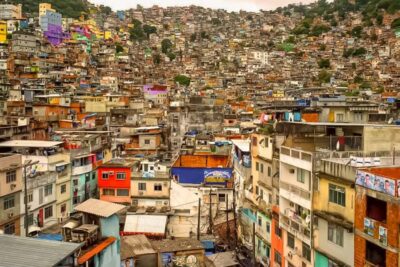
I find that personal connection especially useful in Rio. From the outside, a favela can look like a maze of brick homes and steep lanes. A local guide gives those lanes names, faces, and meaning. You begin to understand Santa Marta as a place where people work, raise children, create music, run shops, and maintain strong social ties.
More community tours in Rocinha, Vidigal and Santa Marta:
- Rio de Janeiro: Rocinha Favela Walking Tour with Local Guide
★ 4.8 · 3,052 reviews - Rio De Janeiro: Half-Day Rocinha Favela Walking Tour
★ 4.7 · 2,272 reviews - Rio de Janeiro: Favela Santa Marta Tour with Resident Guide
★ 4.6 · 220 reviews
Starting at Praça Corumbá and getting oriented
The meeting point is the Tourist Information Stand at Praça Corumbá. You should arrive with comfortable shoes, water, sunscreen, and a hat. Bring a camera if you want photographs, but use it with care and ask before photographing people or private homes.
The route includes a listed 25-minute transfer, and a tram ticket is included. At the same time, the tour details say transfer costs are not included, so you should confirm exactly what that means when booking. The safest approach is to ask where the transfer begins, what transport it covers, and whether you need to pay for any part of the journey separately.
The tour normally takes between two and a half and three hours, though the published duration is given as 150 minutes to three hours. That makes it easy to fit into a day of sightseeing, but you should not plan a tight appointment immediately afterward. Conversations, photographs, music, and the pace of the group can all affect the timing.
The guides speak English, Portuguese, and Spanish. Language ability can vary by guide. One direct account noted that a guide’s English was somewhat broken, though the experience remained useful when the visitor asked questions and listened carefully. If you need detailed explanations, speak slowly and ask for clarification.
Mirante Dona Marta and the first big view
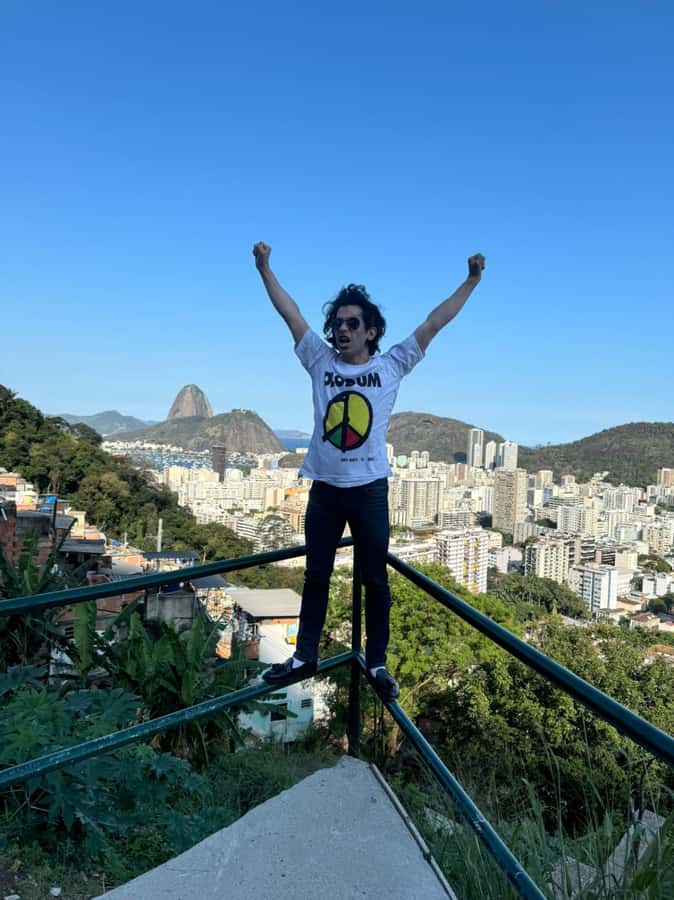
A viewpoint stop comes early in the route, with about ten minutes set aside for photographs. The included visit to Mirante Dona Marta gives you a useful sense of Rio’s layout, particularly the South Zone.
This is not just a place to take a standard postcard picture. From above, you can connect Santa Marta to the wider city and see how closely Rio’s hills, neighborhoods, and famous sights fit together. Your guide can add local context that a viewpoint sign cannot provide.
Ten minutes is enough for a look and a few photographs, but do not expect a long scenic break. If the weather is poor, the view may be reduced. One person took the tour in heavy rain and found the weather revealed practical details about how excess water runs through channels in the community. Rain can add interest, but it also makes steep paths and uneven ground more difficult, so sensible footwear is important.
Michael Jackson Square and the power of music videos

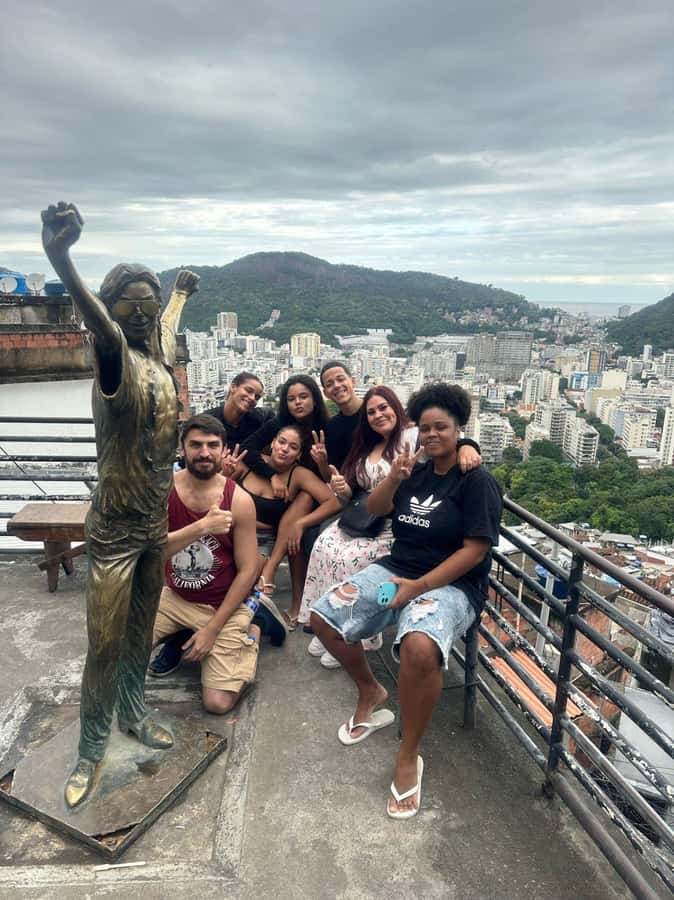
The Michael Jackson Space is one of Santa Marta’s signature stops. This is where Michael Jackson filmed scenes for They Don’t Care About Us, and the statue has become an important point of local pride and international recognition.
The tour gives you time to walk around the square and learn how the location became linked to the video. The stop also shows how Santa Marta has been presented to a global audience. The music video brought attention to the community, but your guide can help separate the image seen on screen from everyday life in the neighborhood.
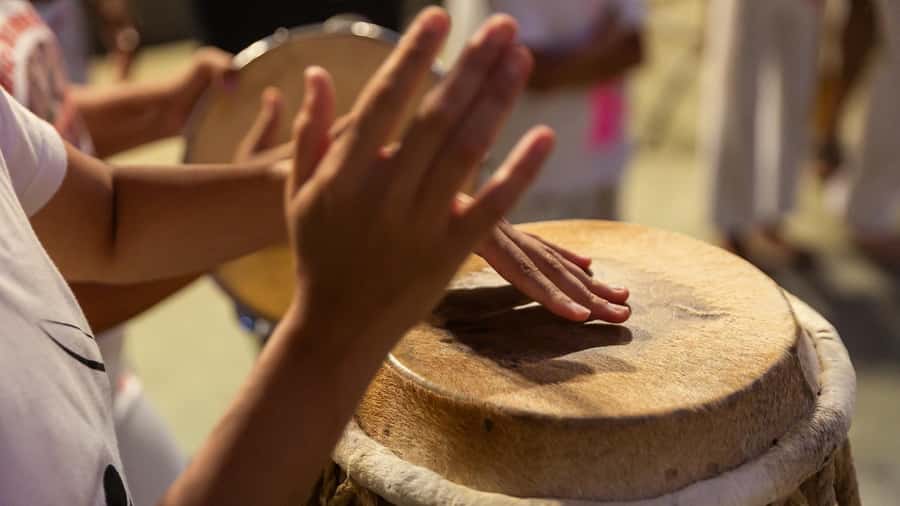
The area also connects with Rio’s music culture. Samba is not treated as a background performance added for tourists. A roda de samba by local musicians is part of the planned experience, giving you a chance to hear music performed by people from the community.
The mood may change depending on the day and the group. You might listen quietly, join the rhythm, or simply watch local musicians at work. It is worth remembering that this is a living community, not a stage set. Enjoy the music without demanding a performance at every moment.
A few more Rio tours worth weighing up
- Rio de Janeiro: Guided Jeep Tour through Tijuca Rainforest
★ 4.3 · 740 reviews - Jeep Adventure: Guided Tour through Tijuca Rain Forest
★ 4.0 · 554 reviews - Rio: Favela Rocinha Tour with Local Guide & Secret Spots
★ 4.7 · 218 reviews - Rio de Janeiro: Private Guided City Tour
★ 4.6 · 207 reviews
Walking the lanes and entering a local home
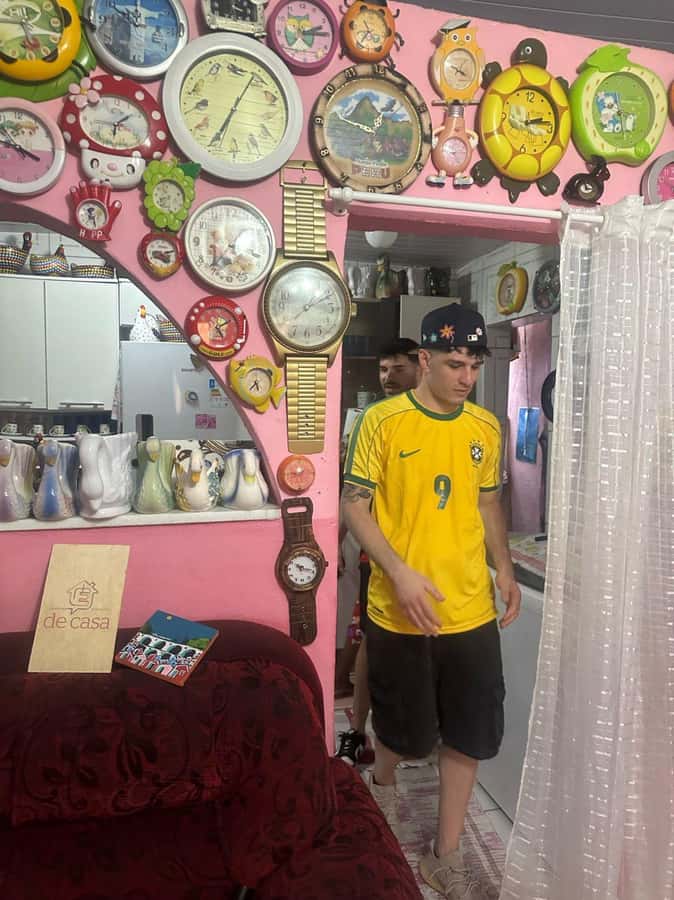
The heart of the tour is the walk through Santa Marta itself. The route includes several visits, a shopping stop, and time at the Residents’ Association, but the exact order can vary.
This is where a local guide makes the biggest difference. Santa Marta’s lanes are not laid out for sightseeing, and one account noted that map apps do not properly show the routes through the favela. You could perhaps find some landmarks alone, but you would miss the connections between them and might not know where to go next.
Guides such as Mario, Marco, and Luis are repeatedly praised for knowing residents and being recognized as they walk. That familiarity helps the tour feel less like a group being led through an unfamiliar area and more like an introduction by someone who belongs there.
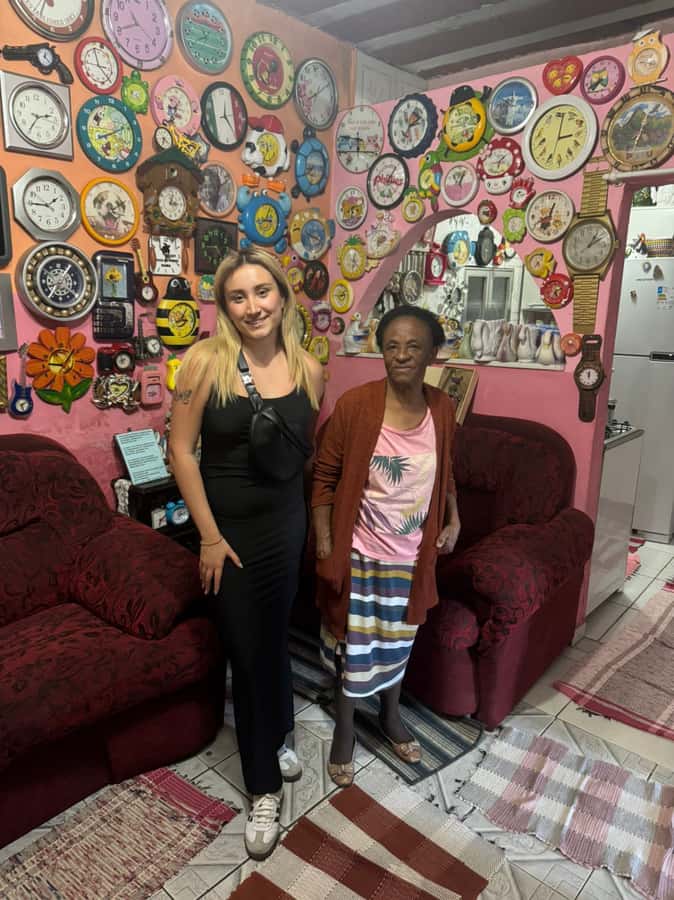
The home visit is particularly valuable. Your guide may invite you into his own home and explain what it is like to live in Santa Marta. You can see the community from a resident’s point of view, ask direct questions, and understand the difference between a tourist image and ordinary domestic life.
This part requires good manners. Keep the visit short and respectful, ask before taking photographs, and remember that a home is not an exhibit. If you prefer a more conventional sightseeing tour, this personal element may feel too intimate. If you want genuine contact, it is likely to be one of the strongest parts.
Samba, football, and everyday community life
The tour can include a roda de samba performed by local musicians. Samba gives you a way to understand Santa Marta through sound and participation rather than explanation alone.
You may also have the chance to join a casual football match with children from the community. Families have found this especially appealing, and children on the tour have enjoyed playing with local boys. It is a simple moment, but it can turn a formal walk into a shared activity.
Do not treat football as guaranteed entertainment. The supplied details describe it as something you can join, not a fixed match at a set time. The same is true of some informal encounters. The route is built around community life, so conditions on the day can shape what happens.
There may also be time to buy something in Santa Marta, and one visitor especially enjoyed the local açaí. Shopping here is a small but useful way to put money directly into the neighborhood. You get a snack or souvenir, while a local shop receives your business.
Santa Horta and the community’s practical work
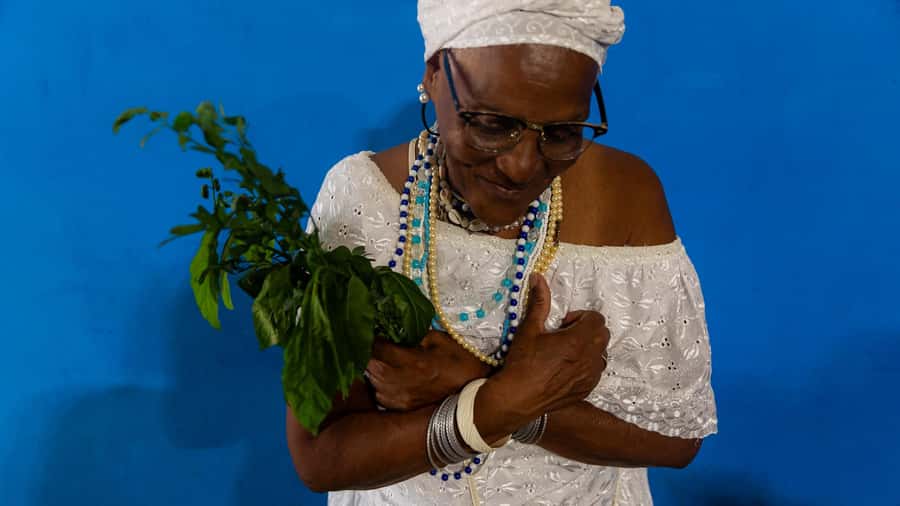
The tour also points beyond music, film, and scenery. Santa Horta transforms former rubbish sites into community organic gardens. The project produces food, creates income, and supports environmental education.
I like this stop because it shows residents working on practical problems instead of presenting the favela only as a place of hardship or celebration. Rubbish, food access, and employment are everyday concerns. A garden project links all three.
The initiative also gives you a better measure of the tour’s social purpose. The company says part of the income supports local development, and the route introduces you to projects that are already operating in the community. You are not being asked to make a donation or solve a problem during a short visit. You are being shown how local people are trying to improve their surroundings.
One useful point of balance: the community still faces serious challenges. An honest visit should not pretend that one garden project fixes rubbish collection or education. The best guides present both progress and unfinished work.
The Residents’ Association and local leadership
A visit to the Residents’ Association adds another layer to the tour. This is a chance to learn about local organization and the people who represent the community.
You may meet a community leader or learn how residents work together. The details can vary, but the stop helps explain that Santa Marta is not simply a collection of homes on a hillside. It has its own structures, projects, and people who try to speak for the neighborhood.
This is also a good place to ask careful questions. You can ask how local projects are funded, what support the community receives, and how tourism affects residents. A thoughtful guide should help you understand the subject without turning the visit into a political lecture.
Safety, comfort, and the reality of the route
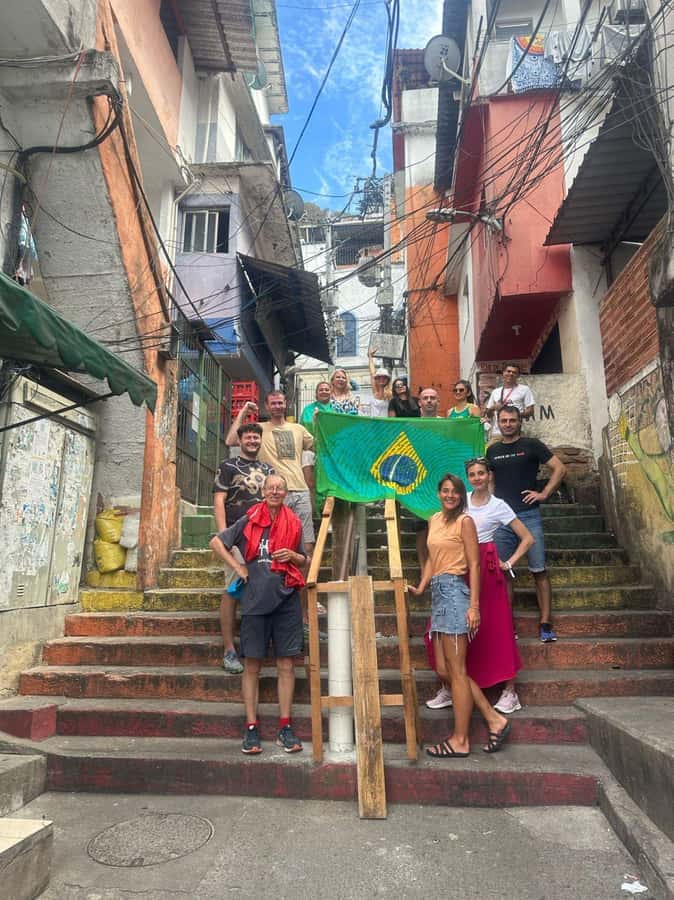
Safety is a major concern for many people considering a favela tour. The guides are residents, know the area, and are recognized by people along the route. Those features can make a real difference, and the experience is designed around local leadership rather than an outside company sending visitors in alone.
Still, no tour can remove every risk or guarantee that conditions will feel comfortable to every person. Follow your guide’s instructions, stay with the group, and avoid wandering off for photographs. Do not smoke, since smoking is not allowed.
Wear shoes that handle uneven paths. Bring water, sun protection, and a hat. The weather can change quickly, and rain may make surfaces slippery. The walking itself is part of the experience, so this is not the right choice if you need a flat, fully accessible route.
The tour is not suitable for wheelchair users or babies under one year. People with limited mobility should consider the steep and narrow setting before booking, even if they usually manage city walking tours without trouble.
Is $28 good value for three hours?
At $28 per person, this is a low-cost way to spend two and a half to three hours with a local guide. The price includes the guided walk, Michael Jackson statue, Mirante Dona Marta, local social projects, Residents’ Association, and tram ticket.
The value comes from the access and explanation, not from a long list of sights. You could perhaps see a viewpoint or photograph the Michael Jackson statue without paying for a tour. You could not easily recreate the home visit, personal introductions, local stories, samba connection, and community project visits on your own.
The company also says the fee contributes to the local economy. That gives the price a wider benefit, provided the business continues to pay local guides and support its stated projects. For you, the cost is modest. For the community, choosing a resident-run service helps keep tourism income closer to the people who live there.
The rating is 4.9 from 488 ratings, and the strongest pattern is clear: guide warmth, local knowledge, personal safety, and the home visit receive the most praise. That does not mean every tour will feel identical. Guides vary, language comfort varies, and weather or community activity can change the day.
Who should book this Santa Marta tour?
I would choose this tour if you want to understand Rio through a local neighborhood rather than spend another afternoon moving between famous monuments. It suits curious adults, families with older children, and anyone willing to ask questions and listen.
It is a particularly good fit if you worry about exploitative tourism but still want to visit a favela. A resident-run company, local guides, community projects, and direct spending in shops give the experience a clearer ethical basis than an outside operator offering only photographs.
You should think twice if you dislike steep walking, informal schedules, rain, or personal conversation. This is not a luxury tour, and it does not hide the harder parts of life in Santa Marta behind cheerful music.
Book it if you want a human, locally guided look at the neighborhood and are ready to behave like a respectful visitor. Skip it if you want a carefully controlled sightseeing route with guaranteed performances and perfectly smooth access.
FAQ
How long does the Favela Santa Marta tour last?
The duration is listed as 150 minutes to three hours. Starting times vary, so check availability when booking.
Where does the tour meet?
The meeting point is the Tourist Information Stand at Praça Corumbá.
Which languages are available?
The live guide service is available in English, Portuguese, and Spanish.
Is transport included?
A tram ticket is included. Transfer is listed among the items not included, so confirm the exact transport arrangements and any extra cost before the tour.
What should I bring?
Bring comfortable shoes, a hat, a camera, sunscreen, and water.
Is the tour suitable for wheelchair users or babies under one year?
No. The activity is not suitable for wheelchair users or babies under one year.
Just added around Rio
- Rocinha Jeep Tour: A Journey into the Soul of the Favela!★ 3.8 · 3 reviews
- Tijuca National Park and all its wonders!★ 5.0 · 3 reviews
- Rio: Best Dive Experience All Inclusive Scuba Diving Package★ 5.0 · 3 reviews
- Rio de Janeiro: Doors-off 30-min helicopter tour★ 5.0 · 3 reviews
- Rio de Janeiro: Hang gliding adventure★ 3.7 · 3 reviews
- Pedra Bonita Trail: The easiest trail with a beautiful view of Rio★ 4.6 · 3 reviews
- Rio de Janeiro Secluded Beaches: Hike+Swim Prainha & Grumari★ 5.0 · 3 reviews
- Unforgettable Boat Party★ 5.0 · 3 reviews
Rio Favela Tours, compared.

Favela Rocinha Tour with Local Guide & Secret Spots
Read our review →

Favela Tour The Original, Rocinha & Vila Canoas since 1992
Read our review →

Sunrise at Morro 2 Irmãos – Vidigal – Rio de Janeiro
Read our review →Browse the lists this tour appears in