
Reviewed · FOOD & DRINK
Rio de Janeiro – Wine Tasting of Brazilian Wines
Brazilian wine is the star here, not a side note. At Cave Nacional, you begin with a glass of local sparkling wine, hear how winemaking developed across Brazil, then taste three carefully chosen wines with three matching bruschettas. I like the clear focus on Brazil and the chance to try bottles from regions you may not encounter elsewhere.
I also like the small, useful scale: a 20-minute introduction, 180 ml of wine tasting, and food pairings packed into one hour. The main consideration is that this is a tasting, not a full meal or a long winery visit, and the $39 price makes the most sense if you care about learning and comparing Brazilian wines.
In This Review
- Key points at a glance
- Why Brazilian wine deserves an hour in Rio
- Starting with sparkling wine and a short lesson
- Three wines, three small lessons
- Bruschettas that make the tasting more useful
- Cave Nacional in Botafogo
- Is $39 a fair price?
- Who will get the most from this tasting?
- What the tasting cannot tell you
- A simple way to make the most of the hour
- Should you book Cave Nacional?
- FAQ
- Where does the Brazilian wine tasting take place?
- How long does the tasting last?
- What wines are included?
- Is food included?
- Is the activity available in English?
- Can I cancel or pay later?
Key points at a glance
- More than 200 Brazilian labels: Cave Nacional focuses entirely on wines made in Brazil, with bottles from several wine-producing regions.
- A 20-minute introduction: Your sommelier explains Brazilian winemaking while you sip a 100 ml glass of sparkling wine.
- Three different tasting pours: You receive three 60 ml wines selected for the session, giving you a compact taste of Brazil’s range.
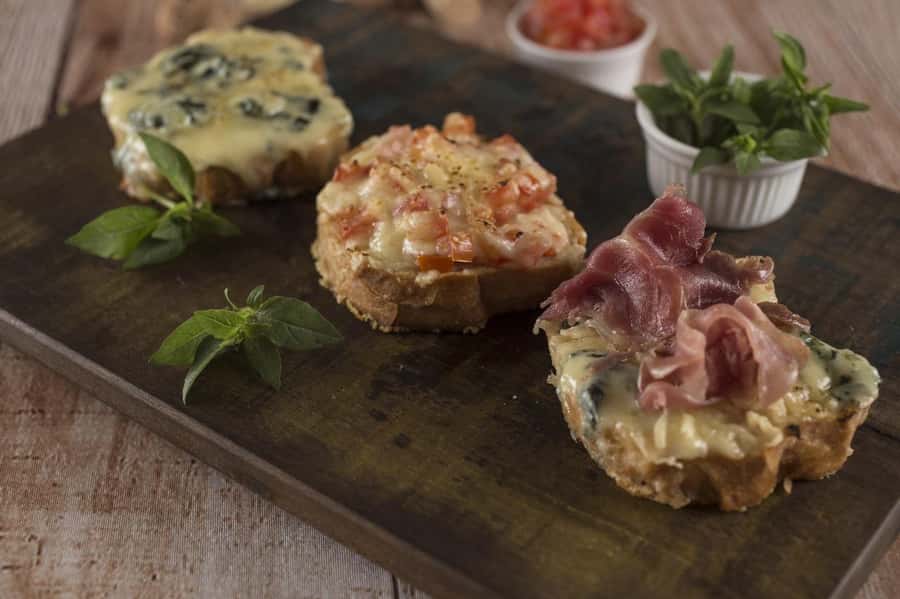
- Three chef-chosen bruschettas: Each small plate is intended to work with the selected wines, not simply fill space.
- A Botafogo setting: The tasting takes place at Cave Nacional Wine Bar, a cozy venue in one of Rio de Janeiro’s established neighborhoods.
- Good for wine-focused adults: The activity is for people 18 and older, with English and Portuguese hosting and wheelchair access.
Why Brazilian wine deserves an hour in Rio
Most visitors come to Rio thinking about beaches, viewpoints, music, and caipirinhas. Brazilian wine rarely leads the conversation, which is exactly why this tasting can add something different to your trip.
Brazil has wine-producing areas in several parts of the country, and the tasting is designed to introduce you to those regional differences. You are not simply handed three unrelated glasses. The sommelier explains the country’s winemaking story first, then uses the tasting to give that background a practical shape.
That approach matters. A wine label from Brazil may mean little to you at first, especially if you are used to European or North American regions. A short explanation of where the wine comes from and how it is made gives you a better chance of remembering what you tasted after the glass is gone.
You should also arrive with sensible expectations. This is not a trip into the countryside to visit vineyards, and it is not a full bottle-by-bottle seminar. It is a one-hour introduction in Rio, useful for anyone who wants to understand Brazilian wine without giving up half a day of sightseeing.
Other Rio tours people book on the same trip:
- Rio de Janeiro: 6-Stop Highlights of Rio with Lunch
★ 4.4 · 5,157 reviews - Christ the Redeemer Entry Ticket by Corcovado Train
★ 4.4 · 4,476 reviews - Rio de Janeiro: Rocinha Favela Walking Tour with Local Guide
★ 4.8 · 3,052 reviews
Starting with sparkling wine and a short lesson
The experience begins with a 100 ml glass of Brazilian sparkling wine. That welcome pour is more than a simple aperitif, since it accompanies the first part of the explanation.
For about 20 minutes, the sommelier talks through the history of winemaking in Brazil. The guide speaks English or Portuguese, so you can choose the language that works best for you when booking or arriving.
This opening is likely to be the most educational part of the session. You get context before tasting the still wines, which helps you notice the differences between them instead of treating the event as three small drinks.
The pace should suit a first introduction. Twenty minutes is long enough to cover the basic story without taking over the entire visit, but short enough that you still have plenty of time for the tasting. If you already know Brazilian wine well, you may find the talk familiar. For most visitors, it provides a useful foundation.
One guide connected with the experience is Karina, who is described as both fun and well versed in Brazilian wines. Since hosts can vary, you should treat her as a possible guide rather than a guaranteed one. The important point is that the session is led by a sommelier with a specific focus on Brazilian wine, not a general bar server reading a prepared script.
Three wines, three small lessons
After the sparkling wine and introduction, you taste three different wines. Each pour is 60 ml, for a total of 180 ml.
That amount is enough for comparison without turning the activity into a drinking marathon. You can examine the color, smell, taste, and finish of each wine, then ask how the wines relate to their regions or production methods. The small pours also make sense for an early evening activity before dinner.
The sommelier selects the wines for you. This is convenient, since you do not need to study a list of more than 200 labels and guess where to begin. It also means the selection is intended to show contrast or variety, rather than simply giving you three similar bottles.
The precise wines are not fixed in the information provided, so you should not book this expecting particular grape varieties, vintages, or regions. The selection may change with availability and the sommelier’s plan. If you have allergies, strong dislikes, or a specific interest in a region, ask about the choices before the tasting begins.
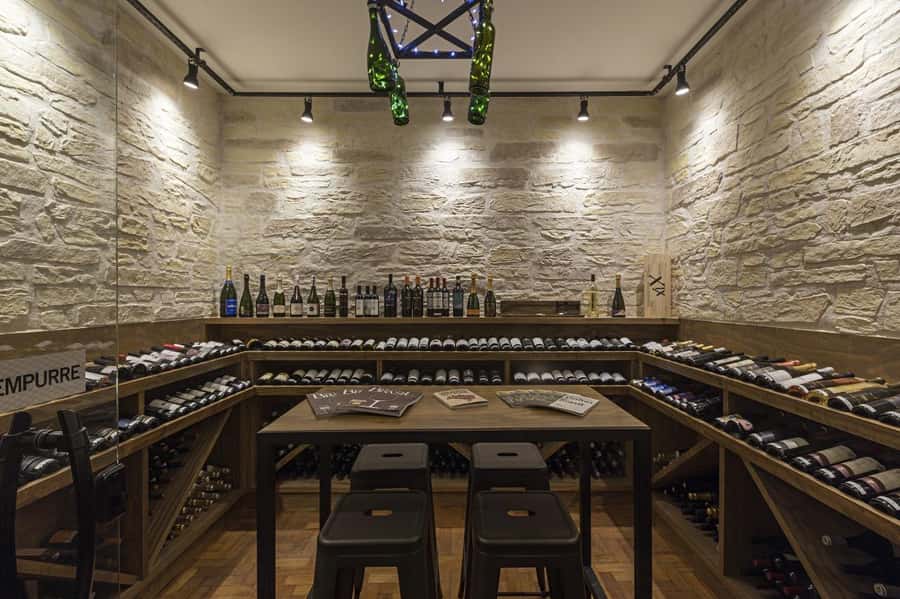
The cellar is also part of the experience. One account describes a walk into the cellar to look at the bottles before returning to the table for the three pours. That adds a pleasant physical connection to the bar’s large collection. You see that Brazilian wine is not represented by a token handful of bottles, but you should not expect a long cellar tour or a separate winery production visit.
Bruschettas that make the tasting more useful
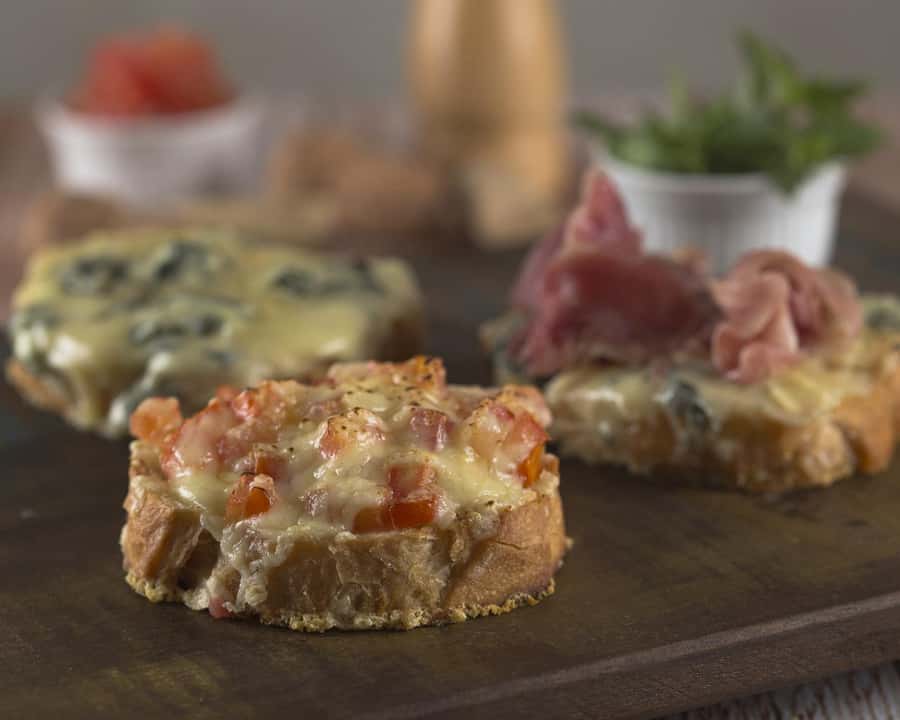
The tasting includes three bruschettas selected by the chef. They are intended to pair with the wines, so the food has a real purpose beyond giving you something to nibble.
Food pairings help you understand wine in a way that a bare glass cannot. A wine that seems sharp or light by itself may feel different with a savory topping. Another may work better with a richer bite. Even if you are new to wine tasting, the bruschettas give you a simple way to compare the effect of food on each pour.
The exact toppings are not specified, so do not plan around a particular ingredient. If you have dietary restrictions, ask the bar before booking or at the start of the experience. The included food is three bruschettas, not a full lunch or dinner, so arrange another meal if you expect to be hungry afterward.
I see the pairings as one reason the $39 price is easier to justify. You are paying for a guided tasting, but you are also receiving sparkling wine, three additional pours, and three prepared food items. The food will not replace a meal, yet it makes the hour feel more complete and gives the sommelier another tool for explaining the wines.
More food tours in Rio:
- Rio: Pub Crawl in Lapa with Cachaça Tasting and Live Samba
★ 4.7 · 881 reviews - Sunset Boat Tour with Beer, Water, Soda and Snacks included
★ 5.0 · 227 reviews - Petropolis The Imperial City with Beer tour and Lunch
★ 4.5 · 83 reviews - Rio de Janeiro: Shared Speedboat Tour with Beer Included!
★ 4.5 · 68 reviews
Cave Nacional in Botafogo
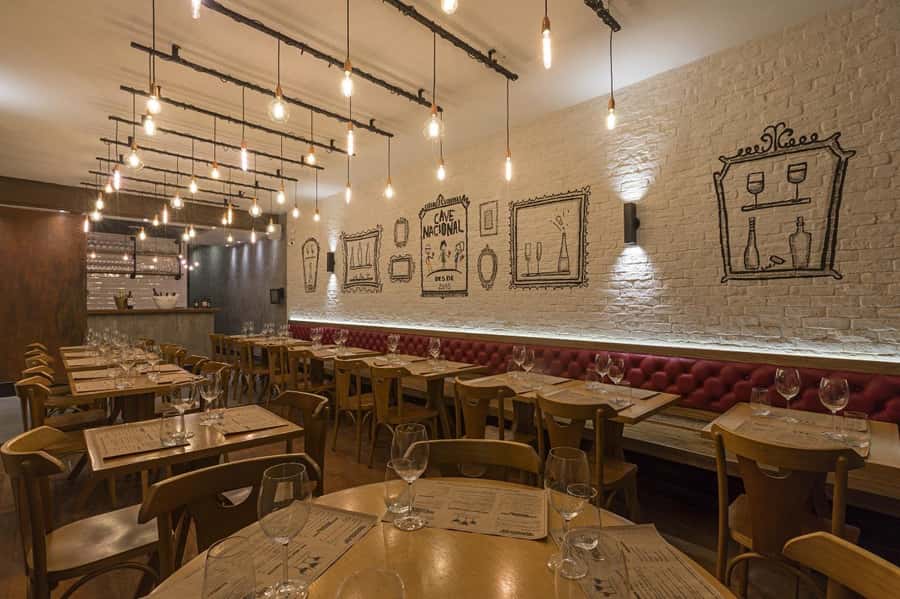
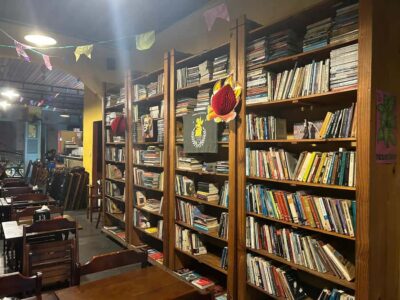
The meeting point is Cave Nacional Wine Bar in Botafogo. The venue is described as cozy, which suits a tasting built around conversation rather than a large group spectacle.
Botafogo is a practical setting for this kind of activity because the tasting can fit between other Rio plans. The supplied information does not include transportation, so you need to make your own way to the wine bar. Check the exact meeting details and starting time when you reserve.
The atmosphere matters here. A dedicated wine bar gives the session a more focused feel than a general restaurant where wine is only one part of the menu. Cave Nacional’s exclusive attention to Brazilian bottles also means you can continue exploring after the formal hour ends.
Additional food and drinks are available for purchase. Bottles can also be bought to take home, at an extra cost. This is useful if one of the tasting wines becomes a favorite, but remember that those purchases are not included in the $39 price.
The bar’s collection exceeds 200 Brazilian labels. That number is most valuable after the tasting, when you have enough context to make a more informed choice. You can ask about a bottle you liked, compare it with another region, or simply enjoy the fact that the experience has introduced you to a wine you would not have found by chance.
Is $39 a fair price?
At $39 per person, this is not the cheapest way to have a drink in Rio. It is also not priced like a casual glass at a neighborhood bar. The value depends on how much you want the explanation and guided comparison.
The included package is substantial for a one-hour session:
- A 100 ml glass of Brazilian sparkling wine
- Three 60 ml pours of selected wines
- Three bruschettas
- About 20 minutes with a sommelier
- Guided access to a bar focused on Brazilian wine
You receive 280 ml of wine in total, counting the sparkling welcome glass. That is less than two standard bottles divided among several people, but the purpose is comparison, not volume. You are paying for the selection, teaching, pairing, and setting as much as for the liquid itself.
I would consider the price reasonable for a visitor who enjoys wine and wants a clear introduction to Brazil’s producers. It is less compelling if you only want a generous drink, a full meal, or a general Rio nightlife stop. In those cases, ordering separately at the bar may suit you better, though the organized explanation would be missing.
The option to reserve now and pay later also helps if you are still arranging your Rio schedule. Cancellation is free up to 24 hours before the activity for a full refund, according to the booking conditions.
Who will get the most from this tasting?
This experience suits an adult who wants a compact cultural activity with food and drink. You do not need advanced wine knowledge. In fact, the structure works particularly well if you know little about Brazilian wine and want someone to point out the basics.
It is also a good fit for wine lovers who have already visited Rio’s major sights and want an evening activity with a local focus. The bar’s large Brazilian selection gives experienced drinkers a chance to find labels beyond the usual international choices.
The one-hour length is helpful for a busy itinerary. You can fit it into a day without surrendering an entire afternoon, though the exact starting times depend on availability. The activity is not suitable for children under 18, and it is clearly aimed at adults who can take part in an alcohol tasting.
English and Portuguese hosting make the experience accessible to a broad range of visitors. The venue is wheelchair accessible, which is an important practical advantage, although transportation to the meeting point is not included.
What the tasting cannot tell you
A short tasting has limits. Three pours can introduce you to Brazilian wine, but they cannot represent every region, grape, style, or producer in the country.
The fixed one-hour format also means the session may move quickly if you have many questions. You will get an overview and a guided sample, not a long private consultation. If wine is a major interest for you, use the time well by asking where the wines come from, what makes the regions different, and which bottle at the bar would be a sensible next step.
You should also keep the food portion in perspective. Three bruschettas are welcome with the wine, but they are not dinner. Plan a separate meal unless you intend to order additional food at Cave Nacional.
The selection is another unknown. Since the sommelier chooses the three wines, you give up some control in exchange for a more organized introduction. That is usually a benefit, but a person who wants to taste one exact producer or style should ask whether it is available before committing.
A simple way to make the most of the hour
Arrive ready to listen during the sparkling wine introduction. The regional and production details will make the later tasting more useful, so try not to treat the first glass as only a welcome drink.
During the three pours, take a moment with each wine before moving on. Notice which one you prefer and ask what makes it different. You do not need technical language. A straightforward question about region, sweetness, body, or food pairing is enough to start a useful conversation.
Pay attention to how the bruschettas change the wines. Try a sip before eating, then another after the food. That small comparison is one of the best ways to get value from the tasting.
If you find a favorite, ask about bottles available for purchase. Cave Nacional’s selection of more than 200 labels gives you a chance to continue the lesson, but bottle purchases are extra and depend on what is in stock.
Should you book Cave Nacional?
Book this tasting if you want an adult-only introduction to Brazilian wine in Rio, especially if you value a sommelier’s guidance, food pairings, and a focused venue. The 4.9 rating from 11 reviews reflects strong satisfaction, with particular praise for the teaching, the host Karina when she leads the session, the food, and the care given to Brazilian wines.
Skip it if your priority is a full meal, a long winery excursion, or large pours. For $39, the best value comes from treating the experience as a short cultural lesson with several samples, not as an inexpensive way to drink a lot.
For the right person, Cave Nacional offers something pleasantly specific: one hour devoted to a part of Brazil’s food and drink culture that many Rio itineraries leave out.
FAQ
Where does the Brazilian wine tasting take place?
The experience takes place at Cave Nacional Wine Bar in Botafogo, Rio de Janeiro.
How long does the tasting last?
The activity lasts one hour. It includes a 20-minute talk with the sommelier followed by the wine tasting and food pairings.
What wines are included?
You receive one 100 ml glass of Brazilian sparkling wine and three different Brazilian wines, with a 60 ml pour of each. The sommelier selects the three wines.
Is food included?
Yes. The experience includes three bruschettas selected by the chef. Additional food can be ordered and paid for separately.
Is the activity available in English?
Yes. The host or greeter can conduct the experience in English or Portuguese.
Can I cancel or pay later?
You can cancel up to 24 hours in advance for a full refund. The reserve now and pay later option lets you book without paying immediately.
Just added around Rio
- Rocinha Jeep Tour: A Journey into the Soul of the Favela!★ 3.8 · 3 reviews
- Tijuca National Park and all its wonders!★ 5.0 · 3 reviews
- Rio: Best Dive Experience All Inclusive Scuba Diving Package★ 5.0 · 3 reviews
- Rio de Janeiro: Doors-off 30-min helicopter tour★ 5.0 · 3 reviews
- Rio de Janeiro: Hang gliding adventure★ 3.7 · 3 reviews
- Pedra Bonita Trail: The easiest trail with a beautiful view of Rio★ 4.6 · 3 reviews
- Rio de Janeiro Secluded Beaches: Hike+Swim Prainha & Grumari★ 5.0 · 3 reviews
- Unforgettable Boat Party★ 5.0 · 3 reviews
Food & Drink, compared.
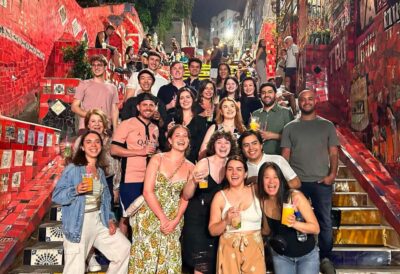
Pub Crawl in Lapa with Cachaça Tasting and Live Samba
Read our review →
Sunset Boat Tour with Beer, Water, Soda and Snacks included
Read our review →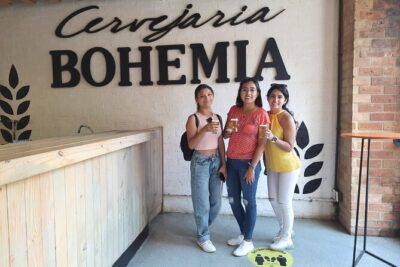
Petropolis The Imperial City with Beer tour and Lunch
Read our review →
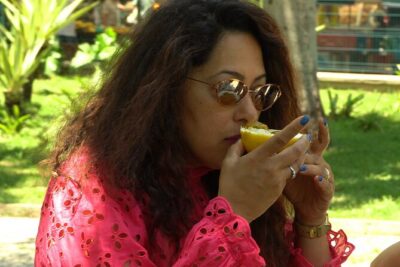
Guided Market Fruit Tasting in Rio with 15+ Exotic Flavors
Read our review →
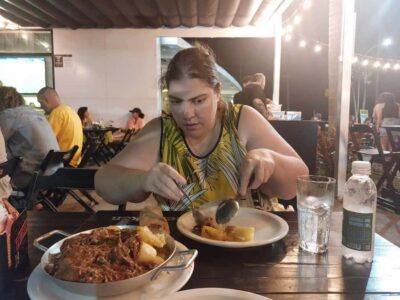
The Best Food Tour: Taste the Most Authentic Flavours of Rio
Read our review →Browse the lists this tour appears in