
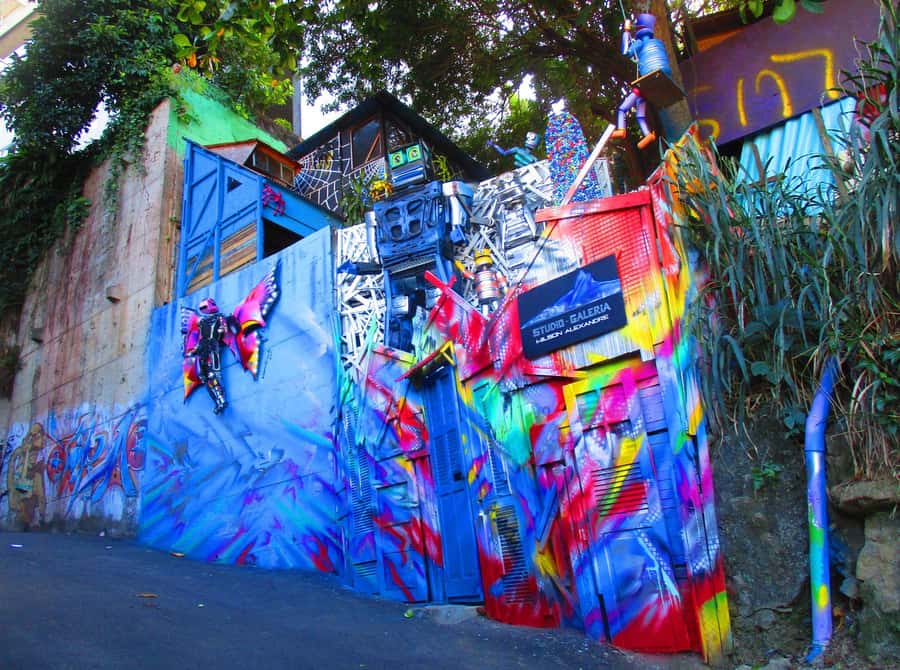
Reviewed · RIO FAVELA TOURS
Rio de Janeiro: Favela Tour with Hotel Transfers
Rio’s favelas are not a sightseeing backdrop. They are working neighborhoods where people live, run shops, raise families, and build community. This tour takes you into Rocinha or Vidigal, depending on the day, with a local guide who explains the streets and the social forces that shaped them.
I like the hotel pickup and return, which removes a layer of planning in a city known for traffic. I also like the chance to walk narrow alleys and hear about ordinary life instead of seeing Rio only from its famous beaches and viewpoints. The tradeoff is that the quality of the explanation can vary, and one recent experience reported a missed pickup.
In This Review
- Key points
- Entering Rio’s Favelas With Context
- Rocinha or Vidigal: What the Route Means
- A Local Guide Changes the Experience
- Walking the Narrow Alleys
- Understanding the Social and Economic Side
- Hotel Pickup Makes a Big Difference
- How Four Hours Usually Feels
- Safety, Comfort, and Respect
- What You Get for $47
- Who Should Book This Favela Tour
- Should You Book It?
- FAQ
- How long does the favela tour last?
- Which favela will I visit?
- Is hotel pickup included?
- Where is the meeting point?
- Is pickup available in Barra da Tijuca?
- What languages are available?
- Are food and drinks included?
- What should I bring?
- Is the tour suitable for wheelchair users?
- Can I cancel for a refund?
Key points
- Choose between Rocinha and Vidigal: The neighborhood visited depends on the day, so the route is not fixed.
- Walk beyond the main roads: Narrow alleys, local markets, and community spaces help show how daily life works.
- Ask for Hélio if available: He is praised for careful guiding, personal stories, and attention to safety.
- Hotel transfers save time: Pickup is offered in Leblon, Ipanema, Copacabana, Flamengo, Centro, and at the cruise port.
- Plan for walking and heat: Bring comfortable shoes, light clothing, a hat, and sunscreen.
- Allow extra time in high season: Rio traffic and heavy city crowds can stretch the nearly four-hour schedule.
Entering Rio’s Favelas With Context

A favela tour can easily become shallow if it treats poverty as a spectacle. This experience aims for something more useful: a guided walk through a living neighborhood, paired with an explanation of how Rio’s social and economic divisions affect the people who live there.
Your guide is meant to help you read what you see. A narrow passage is not simply a photogenic alley. It may be a route to a home, a shop, a community center, or a meeting place. A small market is not just a stop for a quick look. It is part of the local economy and daily routine.
That framing matters. You will not understand every part of Rio in four hours, but you can leave with a clearer sense of how these communities function and why residents have built strong local networks.
The tour visits Rocinha or Vidigal, selected according to the day’s schedule. That flexibility helps the operator manage the route, but it also means you cannot count on visiting a particular favela unless the company confirms it before departure.
More community tours in Rocinha, Vidigal and Santa Marta:
- Rio de Janeiro: Rocinha Favela Walking Tour with Local Guide
★ 4.8 · 3,052 reviews - Rio De Janeiro: Half-Day Rocinha Favela Walking Tour
★ 4.7 · 2,272 reviews - Rio de Janeiro: Favela Santa Marta Top Tour with Local Guide
★ 4.9 · 488 reviews
Rocinha or Vidigal: What the Route Means

Rocinha and Vidigal are different communities, so the feel of the walk will depend on which one you visit. The supplied details do not promise a set list of stops or a fixed order, and that is worth understanding before you book.
The stated route includes narrow alleys, local markets, community centers, and opportunities to meet residents. You might see people working, shopping, and moving through the neighborhood as part of normal life. The value comes from the guide’s explanation, not from checking off a long list of sights.
One useful detail comes from the reported experience of a motorbike ride toward the top of the favela. That is not presented as a guaranteed part of every departure, but it may be included on some routes. If that possibility matters to you, ask when confirming the pickup time and itinerary.
The walking portion can be more demanding than a standard city tour. One piece of practical feedback specifically suggested describing the walking route better. I would take that seriously. Wear proper shoes, expect uneven or narrow passages, and do not plan a demanding activity immediately afterward.
A Local Guide Changes the Experience
The guide is the main reason to book this tour rather than simply looking at a favela from a distant viewpoint. You need someone who can explain the community with care, answer basic questions, and help you move through the streets respectfully.
Guides are available in Portuguese, English, French, Spanish, German, and Italian. That wide language choice is useful, but speaking your language does not automatically guarantee a long or detailed explanation. One account described the guide’s commentary as limited, while other feedback praised strong organization, safety, and personal attention.
Hélio is a guide worth requesting by name if he is working on your date. He is described as highly involved, careful about safety, and good at creating personal encounters. Another family with an eight-year-old appreciated a guide who adjusted the pace and kept safety in mind.
That contrast gives you a realistic picture. A strong guide can turn the walk into a thoughtful lesson about housing, work, family life, and community strength. A less talkative guide may leave you seeing the streets without enough context. When you meet your guide, ask about the neighborhood’s history, local services, and what residents want visitors to understand.
Walking the Narrow Alleys

The tour’s central activity is walking. Rio’s favelas are built on steep hillsides and compact streets, so the route may involve stairs, slopes, tight passages, and uneven ground. The exact access conditions vary by neighborhood and day.
This is not the place for new dress shoes. Bring comfortable footwear, breathable clothes, a hat, and sunscreen. Rio can be hot, and shade may change from one section of the route to the next.
A walking tour also puts you close to real daily life. That requires restraint. Listen to your guide about photography, do not take pictures of people without permission, and avoid turning private homes or ordinary errands into display material. The best approach is simple courtesy.
You may pass local markets or community spaces, but meals and drinks are not included. Bring only what you need and plan to eat separately. The experience is about observation and conversation, not a food tour.
A different side of the city, same few days:
- Rio de Janeiro: 6-Stop Highlights of Rio with Lunch
★ 4.4 · 5,157 reviews - Christ the Redeemer Entry Ticket by Corcovado Train
★ 4.4 · 4,476 reviews - Rio: Christ the Redeemer, Sugarloaf, Selaron & BBQ Lunch
★ 4.5 · 2,428 reviews - Rio de Janeiro: Angra dos Reis and Ilha Grande Full-Day Tour
★ 4.6 · 1,673 reviews
Understanding the Social and Economic Side
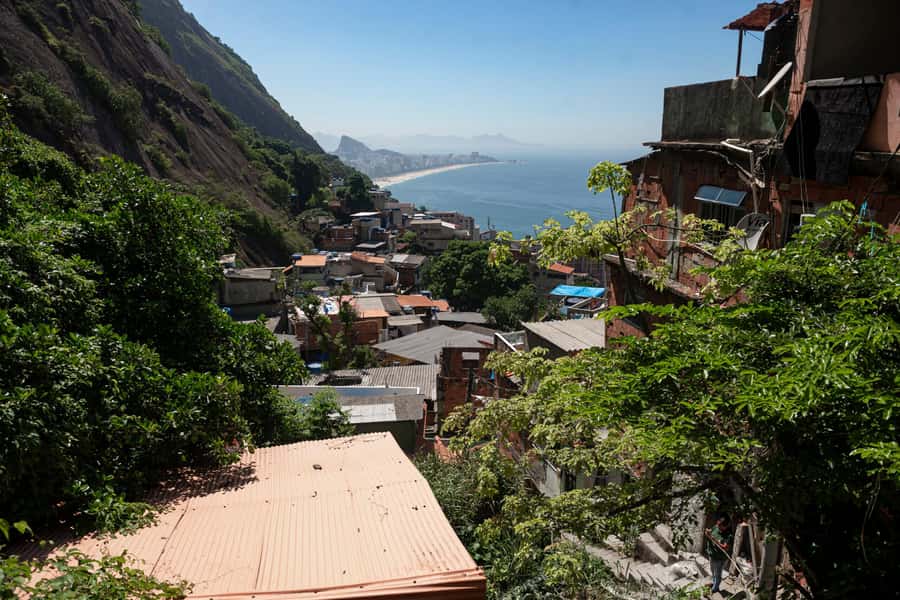
The strongest part of this activity is its attempt to connect physical surroundings with larger issues. Your guide can help explain how residents live and work, how communities organize themselves, and how social inequality shapes Rio.
Do not expect a university lecture. The tour lasts almost four hours, including transport, and the amount of detail depends on the guide and the pace. Still, even a basic explanation can help you understand why a favela is not defined only by its hardships.
You may hear about challenges faced by residents, but the tour also presents their resourcefulness and community life. That balance is important. A respectful visit should show people as neighbors, workers, parents, business owners, and citizens, not as symbols of poverty.
I would use the walk to ask open questions rather than make assumptions. How do people get around? Where do local businesses operate? What services are available? Which parts of community life do residents control themselves? Your guide may not have every answer, but these questions lead to a more useful conversation.
Hotel Pickup Makes a Big Difference

Pickup is offered from most hotels in Leblon, Ipanema, Copacabana, Flamengo, and Centro, as well as the cruise port. The stated meeting point is Rio Othon Palace on Avenida Atlântica in Copacabana, so you may be asked to meet there if your hotel is outside the regular pickup area.
For a first visit to Rio, this transfer is worth real money. You do not need to work out a separate route to the meeting point, and you return to your hotel after the walk. That is especially helpful if you are staying in one of the listed districts or arriving from a cruise ship.
Communication at pickup deserves attention. One customer reported waiting at a hotel while the guide failed to arrive, despite calls, emails, and online chat. I would confirm your hotel name, lobby location, phone number, and pickup time before the day of the tour. Keep the operator’s contact information available and do not assume that a hotel reservation automatically guarantees a successful pickup.
Pickup from Barra da Tijuca or Recreio dos Bandeirantes costs an additional $10 or 40 Brazilian reais per person. Add that to the advertised $47 price when comparing the total cost.
How Four Hours Usually Feels
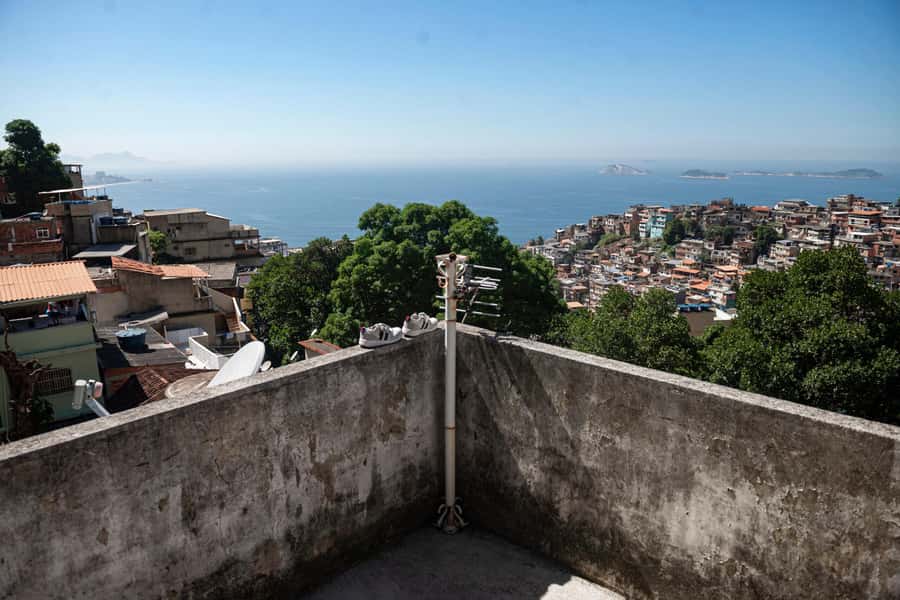
The advertised duration is four hours, described elsewhere as almost four hours. That includes hotel transport, so the actual walking and discussion time will be shorter.
A practical outline looks like this:
- Your guide or driver collects you at the confirmed hotel or meeting point.
- You travel to either Rocinha or Vidigal.
- You walk through the community, including narrow passages and areas connected with local work and services.
- Your guide discusses the neighborhood’s social and economic setting.
- You return to your hotel or the agreed drop-off point.
The route is not presented as a fixed timetable. Traffic can slow the day, particularly during high season when Rio has more visitors and heavier roads. Keep the rest of your schedule light, especially if you have a flight, cruise departure, or timed attraction later.
A four-hour tour works well as a half-day activity. It gives you enough time to get beyond a quick photo stop without taking your entire day. The transport time may feel long if traffic is bad, but it is also part of the convenience.
Safety, Comfort, and Respect
Safety is a practical concern for any visitor entering an unfamiliar neighborhood. The tour provides a guide, and careful guiding is one of the most praised features of the experience. A guide also helps you understand where to walk, when to stop, and how to behave.
That does not mean you should switch off common sense. Keep valuables out of sight, follow instructions, and stay with the group. Do not wander away to explore on your own or treat the route as a place for casual street photography.
The activity can accommodate some reduced mobility or wheelchair needs, but access is subject to availability. Tell the operator in advance. Since the route includes narrow alleys and may involve hills or uneven ground, you should explain your needs clearly rather than relying on a general accessibility request.
Families can make this work, especially when the guide adjusts the pace. An eight-year-old was specifically accommodated on one departure. Still, the walking conditions and subject matter may not suit every child, so consider your child’s stamina and interest before booking.
What You Get for $47
At $47 per person, the price is reasonable if you value the transport and the local guide. A private taxi to an unfamiliar neighborhood, plus several hours of guiding, could cost more and would not provide the same local context.
The price includes the guide and round-trip transfer. It does not include meals or drinks, so your real budget should allow for food before or after the tour. The extra fee for Barra or Recreio can also change the calculation.
Value depends heavily on the guide. With a careful guide who explains the community and manages the walk well, the tour offers an experience that is difficult to reproduce independently. With sparse commentary, the same route may feel like a drive and a walk without enough meaning.
I would book it for the access and structure, but I would not expect a polished museum-style presentation. This is a social and local experience, and its strengths are direct contact, practical context, and a look at a side of Rio that many visitors miss.
Who Should Book This Favela Tour

I recommend this tour if you want to understand Rio beyond Copacabana, Ipanema, Sugarloaf, and Christ the Redeemer. It suits you if you are comfortable walking through a working neighborhood and listening before taking photographs.
It is also a good fit if you value a pickup service, need a multilingual guide, or are arriving at the cruise port. Families may benefit from the flexible pace, provided they confirm the walking conditions first.
I would hesitate if you want a tightly scripted route, guaranteed viewpoints, or a long list of attractions. The exact favela depends on the day, the tour can run late in heavy traffic, and the amount of explanation may vary.
Free cancellation up to 24 hours before departure and the reserve-now, pay-later option reduce the financial risk. Still, confirm the pickup carefully. That small step could prevent the main problem reported with this experience.
Should You Book It?
Book this favela tour if you want a respectful introduction to community life in Rocinha or Vidigal and prefer the ease of hotel transfers. The $47 price is fair for transport plus nearly half a day with a local guide, especially if you are staying in the listed Rio neighborhoods.
Ask about the assigned guide, confirm the pickup in writing, and clarify the walking route. If Hélio is available, his careful approach and personal stories make him a strong choice. Skip it if you need a guaranteed neighborhood, guaranteed motorbike ride, or highly detailed commentary from start to finish.
FAQ
How long does the favela tour last?
The activity lasts four hours, with the experience described as almost four hours. High-season traffic and city crowds can make the day longer.
Which favela will I visit?
You will visit either Favela da Rocinha or Favela do Vidigal. The location depends on the day.
Is hotel pickup included?
Yes. Pickup and return are included for most hotels in Leblon, Ipanema, Copacabana, Flamengo, and Centro, as well as the cruise port.
Where is the meeting point?
The listed meeting point is Rio Othon Palace at Avenida Atlântica, 3264, in Copacabana. Hotel pickup may also be arranged.
Is pickup available in Barra da Tijuca?
Yes, but pickup from Barra da Tijuca or Recreio dos Bandeirantes costs an additional $10 or 40 Brazilian reais per person.
What languages are available?
Guides are available in Portuguese, English, French, Spanish, German, and Italian.
Are food and drinks included?
No. Meals and beverages are not included in the tour price.
What should I bring?
Bring comfortable shoes, comfortable clothing, a hat, and sunscreen.
Is the tour suitable for wheelchair users?
Access for reduced mobility or wheelchair use may be available, but it is subject to availability. Notify the operator in advance.
Can I cancel for a refund?
You can cancel up to 24 hours in advance for a full refund. The reserve-now, pay-later option lets you book without paying immediately.
Just added around Rio
- Rocinha Jeep Tour: A Journey into the Soul of the Favela!★ 3.8 · 3 reviews
- Tijuca National Park and all its wonders!★ 5.0 · 3 reviews
- Rio: Best Dive Experience All Inclusive Scuba Diving Package★ 5.0 · 3 reviews
- Rio de Janeiro: Doors-off 30-min helicopter tour★ 5.0 · 3 reviews
- Rio de Janeiro: Hang gliding adventure★ 3.7 · 3 reviews
- Pedra Bonita Trail: The easiest trail with a beautiful view of Rio★ 4.6 · 3 reviews
- Rio de Janeiro Secluded Beaches: Hike+Swim Prainha & Grumari★ 5.0 · 3 reviews
- Unforgettable Boat Party★ 5.0 · 3 reviews
Rio Favela Tours, compared.


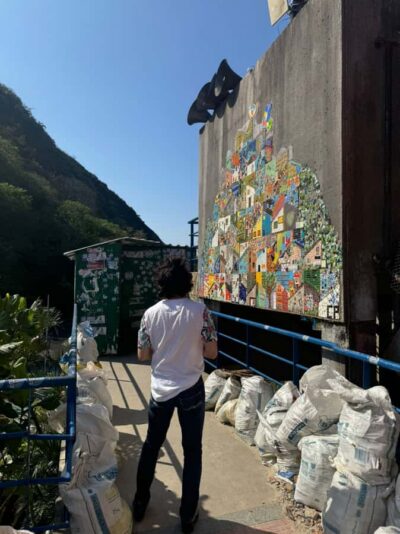


Favela Rocinha Tour with Local Guide & Secret Spots
Read our review →

Favela Tour The Original, Rocinha & Vila Canoas since 1992
Read our review →
Browse the lists this tour appears in