
Reviewed · RIO FAVELA TOURS
Favela Santa Marta: Walking Tour with local guide
Rio’s Santa Marta walking tour takes you beyond postcard Rio and into one of the city’s most famous hillside communities. You ride a funicular toward the top, then walk past colorful homes, murals, social projects, craft shops, and the viewpoint linked to Michael Jackson’s They Don’t Care About Us video.
I like the local resident guide, which gives the visit a personal voice, and I like that the tour includes community spaces rather than treating the favela as a photo stop. The small-group or private format should also make it easier to ask questions.
The main caution is that the experience depends heavily on the guide and the day’s schedule. One French-speaking booking began 45 minutes late and received only limited French, while another missed a music school visit because it was closed in the morning. Bring comfortable shoes, cash, and patience.
In This Review
- Key points to know before you book
- Starting high above Santa Marta
- Reading Santa Marta through its streets
- Community projects, education, and local life
- Murals, colorful homes, and craft shops
- Michael Jackson’s viewpoint and the famous video
- Why the guide makes or breaks the visit
- Is $34 a fair price?
- Practical advice for a smoother visit
- Who will enjoy Santa Marta most?
- Should you book this Santa Marta walking tour?
- FAQ
- How long does the Santa Marta walking tour last?
- What languages are available?
- Is the tour led by a local resident?
- Does the tour include the Santa Marta funicular?
- What happens if the funicular is not operating?
- Is food included?
- What should I bring?
- Is the tour suitable for people with mobility impairments?
Key points to know before you book
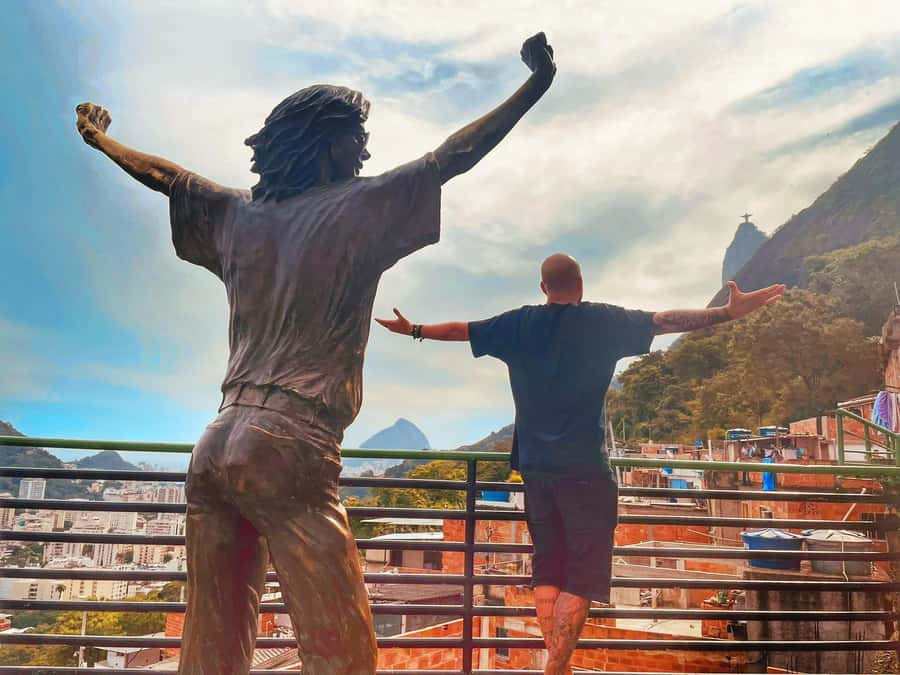
- Michael Jackson’s Santa Marta viewpoint: See the statue and location connected to the video for They Don’t Care About Us, with wide views toward Rio’s mountains.
- A walk through a working community: The route passes homes, murals, a daycare when open, the Residents’ Association, and social projects.
- Local guides in four languages: Tours are offered in English, French, Spanish, and Portuguese, though you should confirm the requested language.
- The funicular is not guaranteed: If it is closed, you walk uphill with the guide or can take a taxi for about R$15.
- A compact 150-minute visit: The tour gives you a focused introduction without taking an entire day from your Rio plans.
- A tour with uneven delivery: The overall rating is 4.8 from 41 reviews, but punctuality, language ability, and which projects are open can vary.
Starting high above Santa Marta
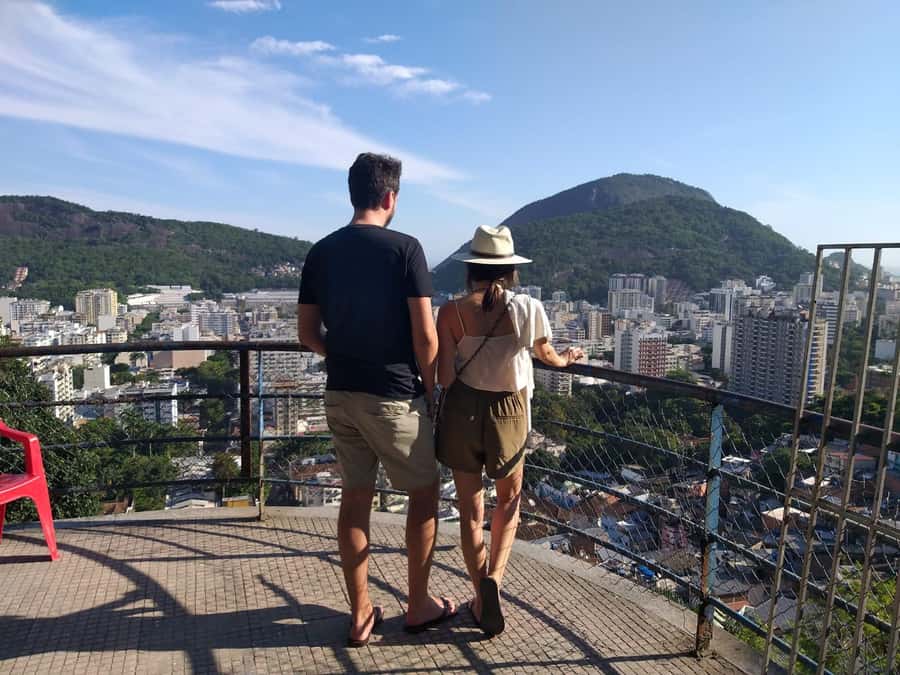
The tour begins with a ride on the Santa Marta funicular when the service is operating. This is a practical way to reach the upper part of the community before walking downhill or across the hillside streets. It also saves your legs for the parts of the visit where you want to pay attention to the guide.
If the cable car is not running, you have two alternatives. You can walk to the top with the guide, or take a taxi for roughly R$15. That detail matters more than it may seem. Santa Marta is built on a steep slope, and this is not a level city stroll. Comfortable shoes are essential, and anyone with mobility impairments should choose a different activity.
The meeting point can change depending on the option you book, so check your confirmation carefully. The tour lasts 150 minutes, making it easy to fit into a morning or afternoon plan, but leave enough time for the meeting arrangement and the uphill transfer.
More community tours in Rocinha, Vidigal and Santa Marta:
- Rio de Janeiro: Rocinha Favela Walking Tour with Local Guide
★ 4.8 · 3,052 reviews - Rio De Janeiro: Half-Day Rocinha Favela Walking Tour
★ 4.7 · 2,272 reviews - Rio de Janeiro: Favela Santa Marta Top Tour with Local Guide
★ 4.9 · 488 reviews
Reading Santa Marta through its streets
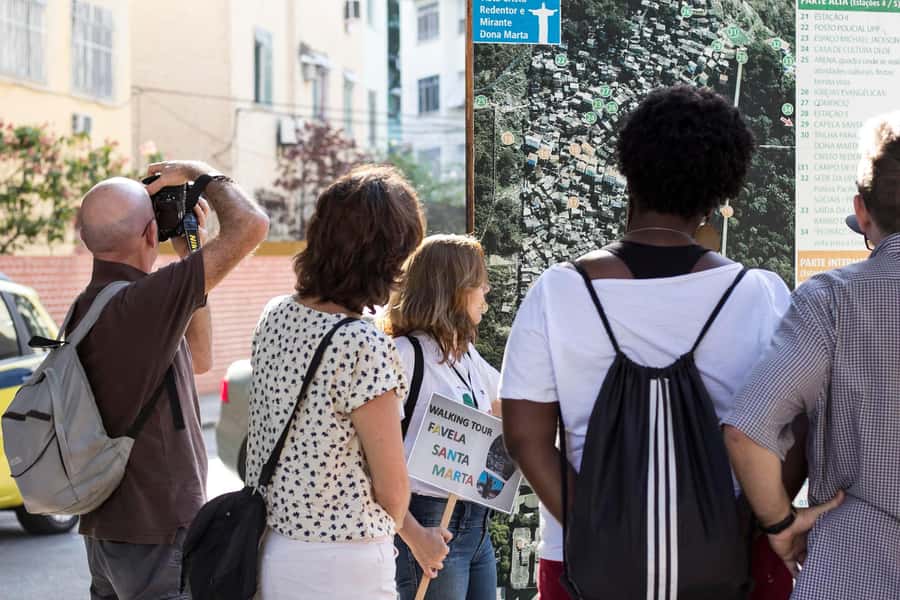
Once the walking portion begins, the guide explains the history of the colorful houses and the daily life of the community. About 8,000 people live here, so you are walking through a real residential neighborhood, not an open-air museum designed only for visitors.
That distinction is important. You should dress and behave as you would in any neighborhood. Listen to your guide about where to stop, ask before taking close-up photographs of people, and avoid turning private homes into scenery. The best part of this kind of tour is the explanation of how residents use and organize their community spaces.
The streets also give you a more useful view of Rio than a quick scenic overlook can provide. You see homes built into a steep setting, public art, local businesses, and signs of community organization. The route is described as accessible because Santa Marta is relatively compact, but the slope and walking surfaces still require care.
Community projects, education, and local life
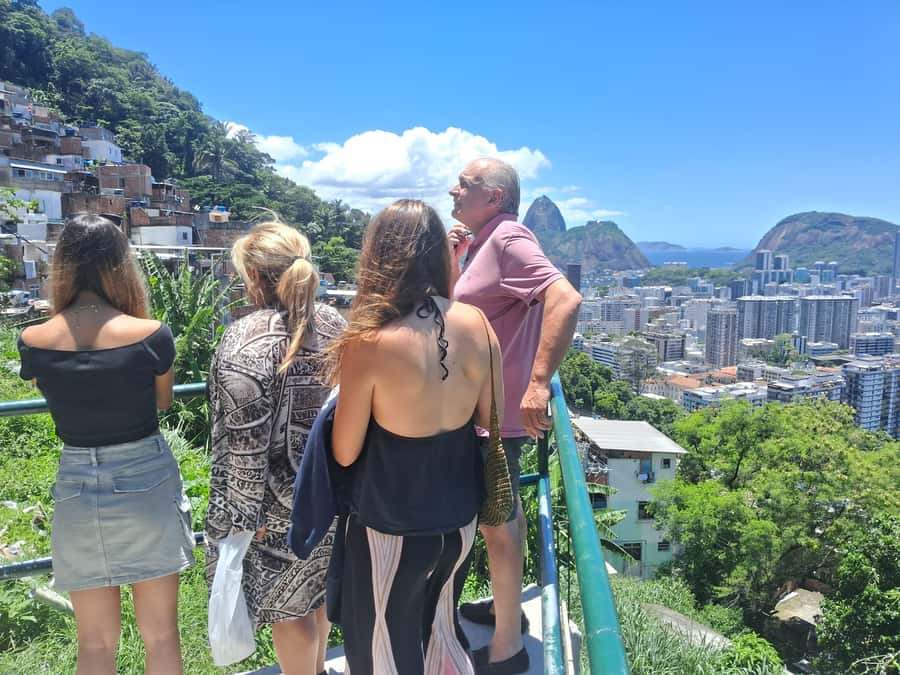
A central aim of the visit is to show the educational and social work taking place inside the community. You may visit a community daycare when it is open, along with the Residents’ Association and other social projects.
The daycare visit is not guaranteed. Opening hours and daily activity can change, and a stop may be replaced or shortened. That is not necessarily a flaw, but you should understand that this is a working community with its own schedule. The tour is not a fixed museum itinerary where every door opens on cue.
The visit to the Residents’ Association helps explain how local projects function and gives the guide a place to discuss practical issues affecting residents. This is one of the stronger reasons to choose a local-led tour. You are not just looking at walls and views. You are given some context for the organizations and services that support people who live here.
One French-language booking did not include a music school visit, even though the group could hear percussion nearby. The guide explained that the school was visited in the afternoon, after school hours. If music or a particular project is especially important to you, ask before starting what is scheduled that day.
Murals, colorful homes, and craft shops
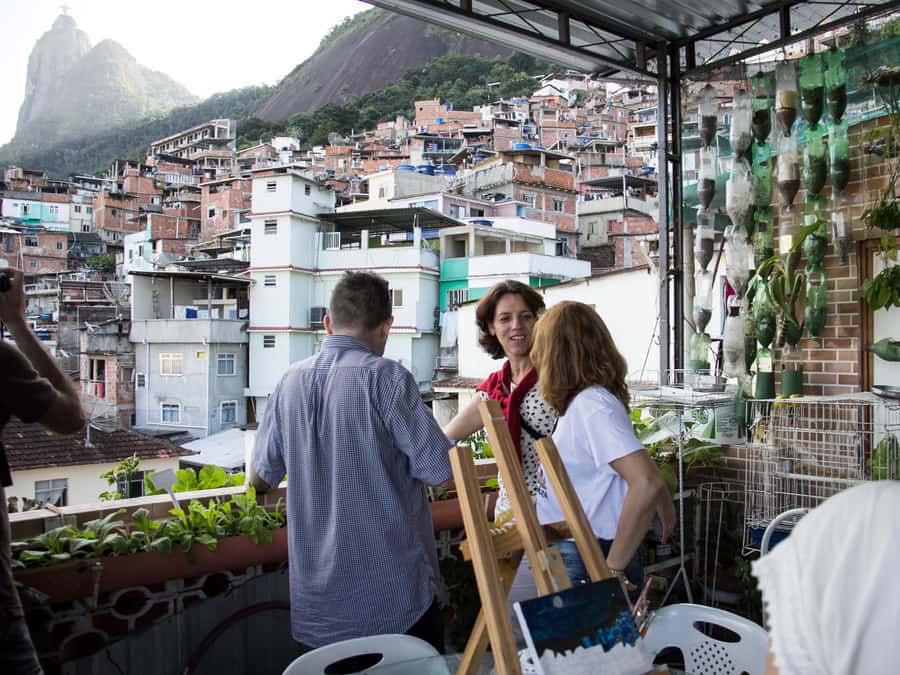
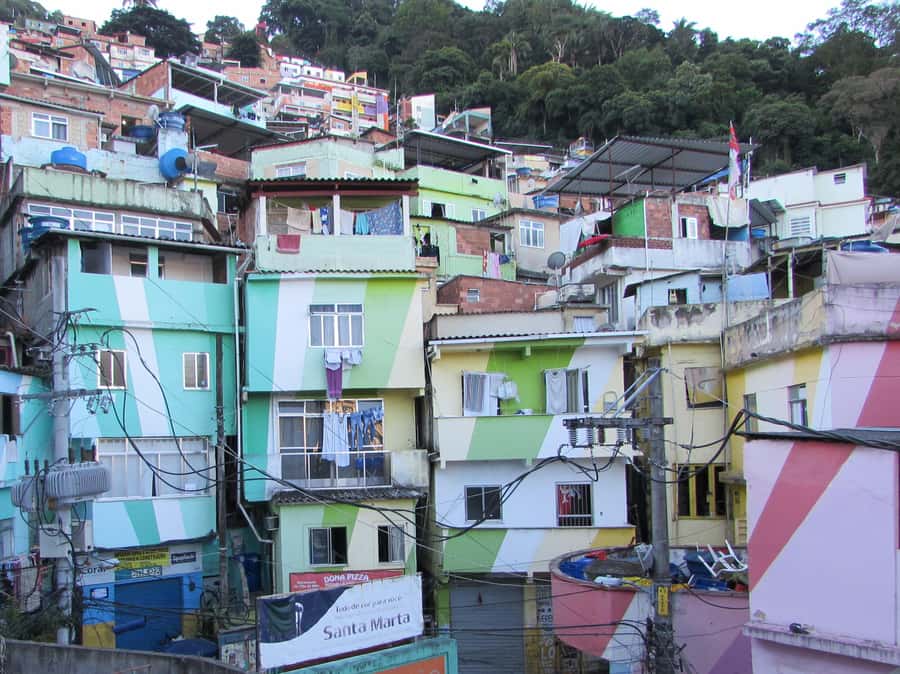
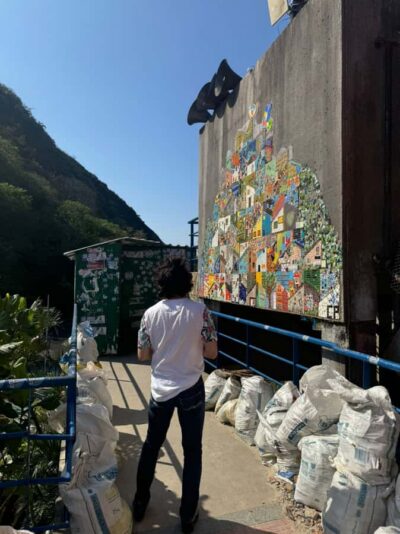
Street art is one of the easiest parts of the tour to enjoy. The route includes murals and brightly painted traditional houses, giving you plenty to look at as the guide explains the neighborhood.
The art is not presented as a separate gallery visit. It is part of the streets you are already walking through, which makes the experience feel more connected to daily life. You may find that the most interesting details are small ones: how color is used on a facade, how homes fit along the slope, or how public art changes the feel of a shared passage.
The tour also includes stops at handicraft shops. Bring cash if you want to buy souvenirs, food, or drinks from local stores. Purchases are not included in the $34 price, and the tour does not provide food. You can buy something at a local pub, but plan to pay separately.
These shop stops also give you a chance to support local sellers directly. Keep your buying expectations realistic. This is not a dedicated shopping tour, and the amount of time available at each shop may depend on the group and the route.
More walking tours in Rio:
- Sunrise and Sunrise Walk Two Brothers with Local Guide
★ 5.0 · 193 reviews - Rio de Janeiro: Little Africa Heritage Walking Tour
★ 4.9 · 177 reviews - Learn the History of Rio with an Unforgettable City Center Walking Tour
★ 5.0 · 82 reviews - Rio’s city walking tour: a glimpse of history and olympic legacy
★ 4.5 · 78 reviews
Michael Jackson’s viewpoint and the famous video
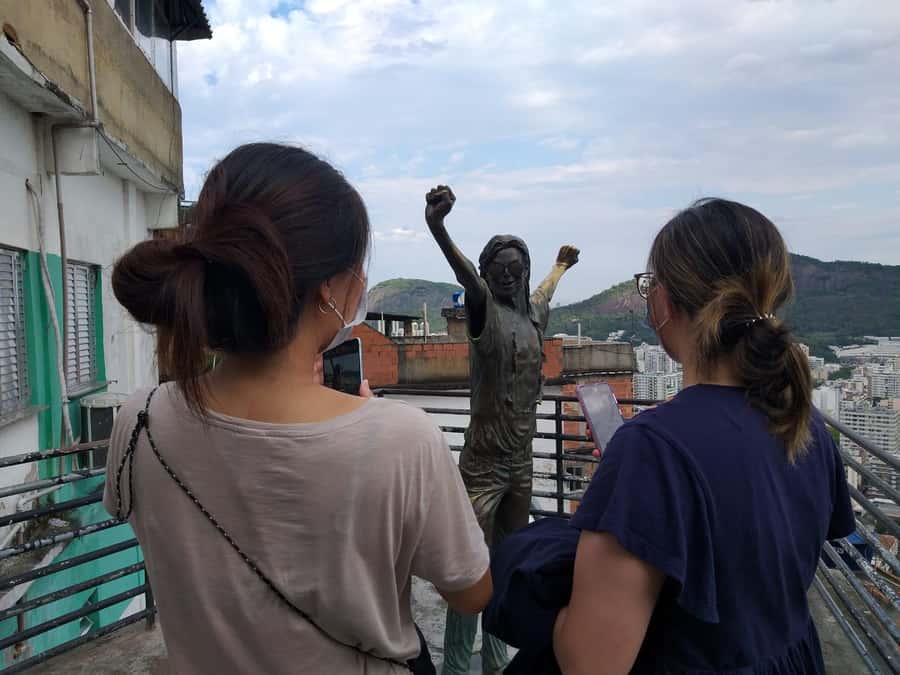
The most recognizable stop is Laje do Michael Jackson, a viewpoint marked by a statue of the American singer. The site became famous because it was used for the video of They Don’t Care About Us.
This stop works on two levels. Fans get a clear connection to a major piece of music history, while other visitors get a memorable viewpoint and a useful story about how international pop culture intersected with Santa Marta. The statue provides an obvious photo opportunity, but the guide’s explanation is what gives the stop its meaning.
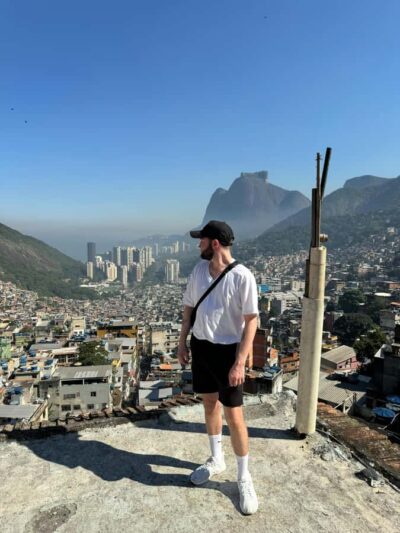
From here, you get a broad view across the surrounding mountains. The scenery is one of the tour’s strongest payoffs, especially after walking through the narrow streets below. Bring a phone or camera, but keep the camera secondary to the setting and the guide’s story.
Why the guide makes or breaks the visit
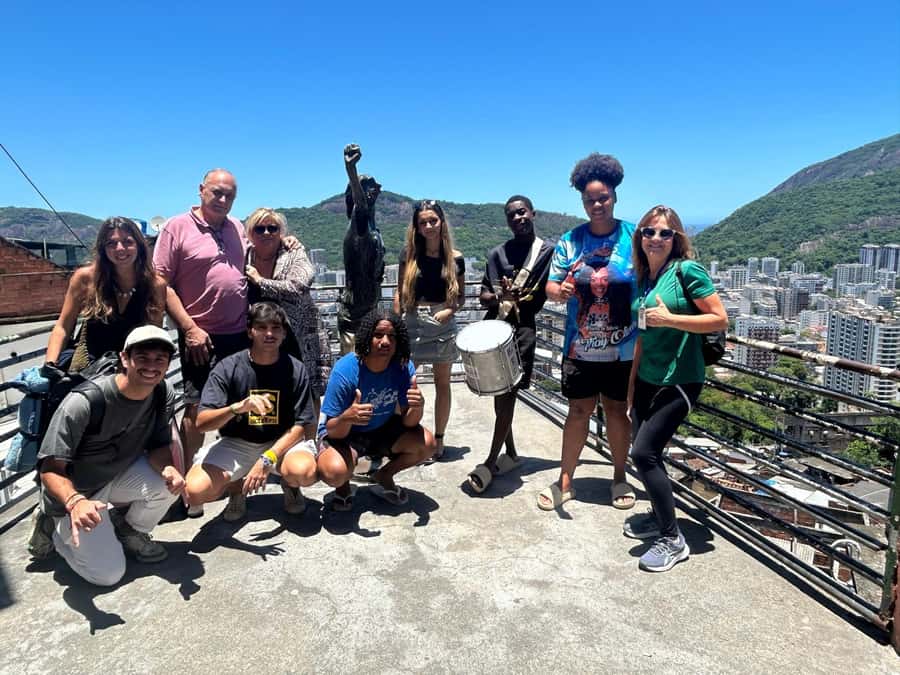
The tour is built around a live guide, and the quality of that person matters more here than on a standard sightseeing route. A local resident can explain details that would be easy to miss, from the purpose of community projects to the meaning behind a mural or public space.
Several bookings had excellent experiences with their guides. Marco received special praise after a French-language visit, and another French-speaking guide was described as friendly, clear, and effective at explaining the origins and way of life of the community. Those are exactly the qualities you want: good communication, local insight, and enough time for questions.
But language should not be treated as an automatic guarantee of fluency. One French booking began at 10 a.m. but did not meet the guide until 10:45, and the assigned guide spoke only a few words of French. The group also received little historical explanation. That was an isolated poor result within an otherwise strong rating, but it points to a practical step: confirm your language and meeting details before the tour begins.
English, French, Spanish, and Portuguese are available. Private and small-group options can be booked, which may give you more time to talk with the guide and more flexibility if a project is closed. A private option may be worth considering if you have strong language needs or want a slower pace.
Is $34 a fair price?
At $34 per person, the tour is reasonably priced for a 150-minute guided visit, particularly if you value local context rather than simply looking at a viewpoint. The price includes the walking tour, a local resident guide, and access to the planned community stops. It does not include food, drinks, souvenirs, or the optional taxi if the funicular is closed.
The value depends on what you want from Santa Marta. If your goal is one quick photo from the Michael Jackson location, you may find the tour longer than necessary. If you want to understand the neighborhood, see its art, and hear about local projects, the cost is easier to justify.
The included funicular ride is useful when operating, though the experience should not be judged only by transport. The main value lies in having someone explain what you are seeing and guide you through a residential setting respectfully.
You can cancel up to 24 hours in advance for a full refund, and the reserve-now, pay-later option keeps your plans flexible. Those policies are helpful if your Rio schedule is still changing.
Practical advice for a smoother visit
Wear shoes with a good grip. The route includes hills, and the tour is not suitable for people with mobility impairments. Bring your passport or ID card, as this is listed among the items you should carry.
Cash is also important. You may want to buy a craft item, a drink, or food at a local pub, and cash is specifically recommended for local purchases. Food is available to buy, but it is not part of the tour price.
The tour can operate in light rain. Pack accordingly, since wet weather can make walking surfaces less comfortable and may affect which community spaces are open. A light rain jacket is more useful than assuming the weather will remain clear.
Keep the day’s schedule loose around the tour. The listed duration is 150 minutes, but a late start or a change in the route can affect your plans. The late guide arrival reported on one booking is not presented as the normal pattern, yet it is a reminder not to schedule an important reservation immediately afterward.
Who will enjoy Santa Marta most?
I would choose this tour if you want a closer look at Rio’s social and cultural life, and if you are comfortable walking through a residential community with an open mind. It suits people who value local guides, public art, community projects, and conversations more than polished attractions.
Music and Michael Jackson fans have an extra reason to go, thanks to the video location and statue. Photographers will also appreciate the murals, colorful homes, and mountain views, though photography should remain respectful.
The tour may not suit you if you need a fully predictable itinerary, guaranteed access to every project, or an easy, flat walk. It is also not the right choice if you are looking for a food tour, since food is only available for separate purchase.
The small-group or private format is the better pick if you want to ask many questions or need a specific language. Confirm the guide’s language in advance, especially for French, because one poor language match made the visit much less informative.
Should you book this Santa Marta walking tour?
Book it if you want a compact, guide-led introduction to Santa Marta that combines local stories, community projects, street art, and the Michael Jackson viewpoint. The strongest parts are the resident guide, the chance to see more than a tourist facade, and the mountain views from the upper section.
Go in knowing that the funicular, daycare, music school, and other stops depend on the day. Confirm your language, wear proper shoes, carry cash, and allow flexibility around the start time. With those expectations, $34 buys a thoughtful two-and-a-half-hour look at a side of Rio that a standard sightseeing route does not show.
FAQ
How long does the Santa Marta walking tour last?
The tour lasts 150 minutes, or two and a half hours.
What languages are available?
Live tours are available in English, French, Spanish, and Portuguese.
Is the tour led by a local resident?
Yes. The experience includes a guide who is a local resident of the community.
Does the tour include the Santa Marta funicular?
The tour begins with a funicular ride when the cable car is operating. If it is closed, you can walk to the top with the guide or take a taxi for about R$15.
What happens if the funicular is not operating?
You will walk to the top of the favela with your guide, or you may take a taxi at your own cost.
Is food included?
No. Food is not included, but you can buy food at a local pub during the visit.
What should I bring?
Bring a passport or ID card, comfortable shoes, and cash. Cash is useful for souvenirs, food, and drinks at local stores.
Is the tour suitable for people with mobility impairments?
No. The tour is not suitable for people with mobility impairments because it involves walking through a steep hillside community.
Just added around Rio
- Rocinha Jeep Tour: A Journey into the Soul of the Favela!★ 3.8 · 3 reviews
- Tijuca National Park and all its wonders!★ 5.0 · 3 reviews
- Rio: Best Dive Experience All Inclusive Scuba Diving Package★ 5.0 · 3 reviews
- Rio de Janeiro: Doors-off 30-min helicopter tour★ 5.0 · 3 reviews
- Rio de Janeiro: Hang gliding adventure★ 3.7 · 3 reviews
- Pedra Bonita Trail: The easiest trail with a beautiful view of Rio★ 4.6 · 3 reviews
- Rio de Janeiro Secluded Beaches: Hike+Swim Prainha & Grumari★ 5.0 · 3 reviews
- Unforgettable Boat Party★ 5.0 · 3 reviews
Rio Favela Tours, compared.



Favela Rocinha Tour with Local Guide & Secret Spots
Read our review →

Favela Tour The Original, Rocinha & Vila Canoas since 1992
Read our review →
Browse the lists this tour appears in