
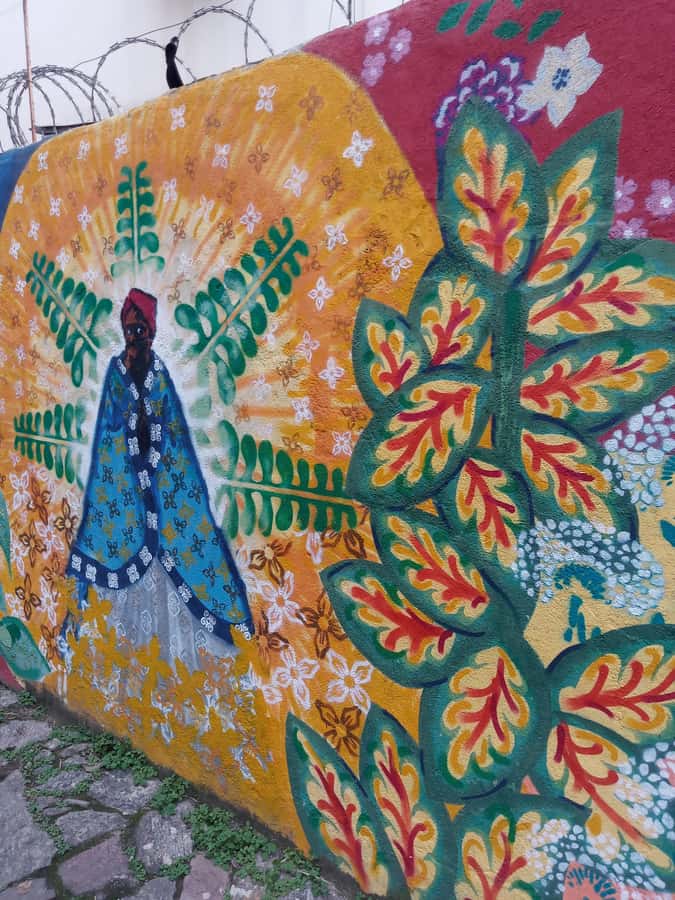
Reviewed · WALKING TOURS
Little Africa – Walking tour from the passed to the future
Little Africa tells one of Rio’s most important stories on foot. This downtown area was once the entry point for Africans brought to Brazil, with an open slave market, homes, shops, and burial grounds. Today, your guide links the remaining sites and streets to Brazil’s Black heritage, art, and future.
I like the human scale of the walk and the chance to hear the past explained at the places where it happened. I also like the guides’ personal energy. Larissa, Gabriela, Luana, Rafael, and Tatjana have all been praised for making the subject clear, thoughtful, and engaging.
The main caution is language quality. English-speaking visitors have had very different experiences, with some finding the guide excellent and others struggling to understand. You should also clarify the extra R$160 payment and any museum admission before you go.
In This Review
- Key points to know before you book
- Why Little Africa matters in Rio
- Walking through the former entry point
- Historic places, alleys, and difficult truths
- Art, culture, and the future
- The guide makes or breaks this experience
- Is the three-hour format good value?
- Practical preparation for the walk
- Who will appreciate this tour most?
- Should you book the Little Africa walk?
- FAQ
- Where does the Little Africa walking tour meet?
- How long does the tour last?
- Which languages are available?
- What is the total price per passenger?
- Is a museum ticket included?
- Are children allowed, and do they receive a discount?
- Can I cancel the reservation?
Key points to know before you book

- A serious history walk: Little Africa was once home to an open slave market, shops, residences, and graveyards.
- Three hours on foot: The tour begins downtown Rio and connects historic places through streets and alleys.
- Strong guide can make the difference: Larissa, Gabriela, Luana, Rafael, and Tatjana have received especially warm praise for their storytelling and care.
- English is not always consistent: Two English-speaking participants found their guides difficult to understand, so ask about the assigned guide if this matters to you.
- The real cost is more than the online payment: You pay US$32 per person through the booking platform, plus R$160 per person to the guide, with a stated total of R$310.
- Expect an emotional visit: This is a respectful cultural history walk, not a light sightseeing stroll.
Why Little Africa matters in Rio
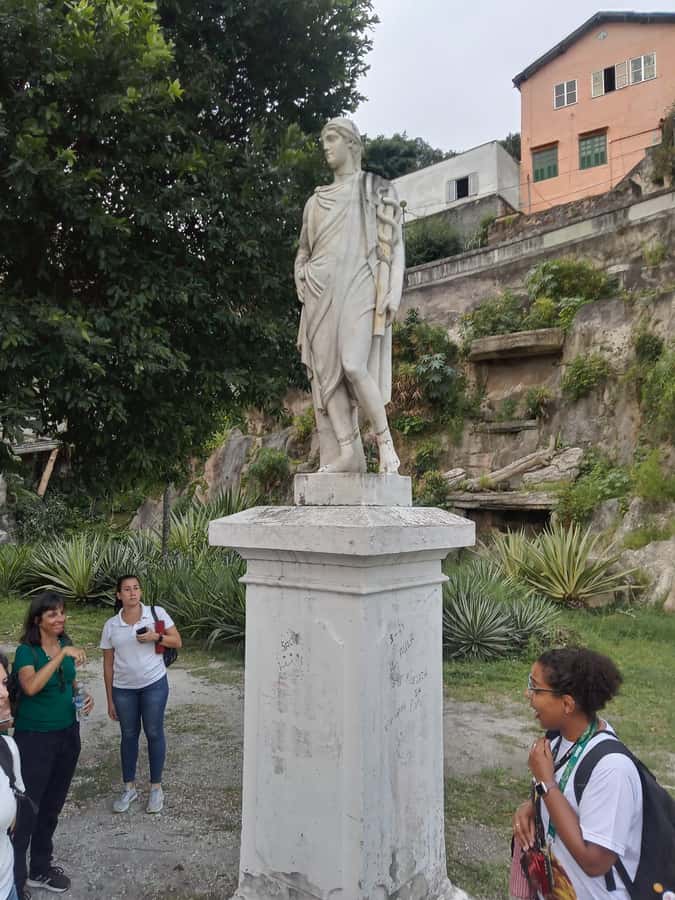
Many Rio visitors focus on beaches, viewpoints, and grand public spaces. Little Africa offers a different way to understand the city. It takes you into the history of Africans who arrived in Brazil under slavery and into the places connected with their arrival, sale, burial, and daily life.
The area is not presented as a single museum with a neat beginning and end. Instead, you walk through streets and alleys, stopping at historic sites while the guide explains what happened there. That format matters because the history is tied to real ground, not only to display cases or textbook dates.
You should come ready for difficult material. The tour deals with forced migration, slavery, death, and the treatment of human beings as property. The description itself warns that many people become emotional. That is not a reason to avoid the walk, but it is a reason to approach it with patience and respect.
The title, from the past to the future, points to the broader purpose. You are not only looking backward at suffering. The tour also connects Black heritage with Brazilian culture, art, and questions about the future.
More walking tours in Rio:
- Rio de Janeiro: Rocinha Favela Walking Tour with Local Guide
★ 4.8 · 3,052 reviews - Rio De Janeiro: Half-Day Rocinha Favela Walking Tour
★ 4.7 · 2,272 reviews - Sunrise and Sunrise Walk Two Brothers with Local Guide
★ 5.0 · 193 reviews
Walking through the former entry point
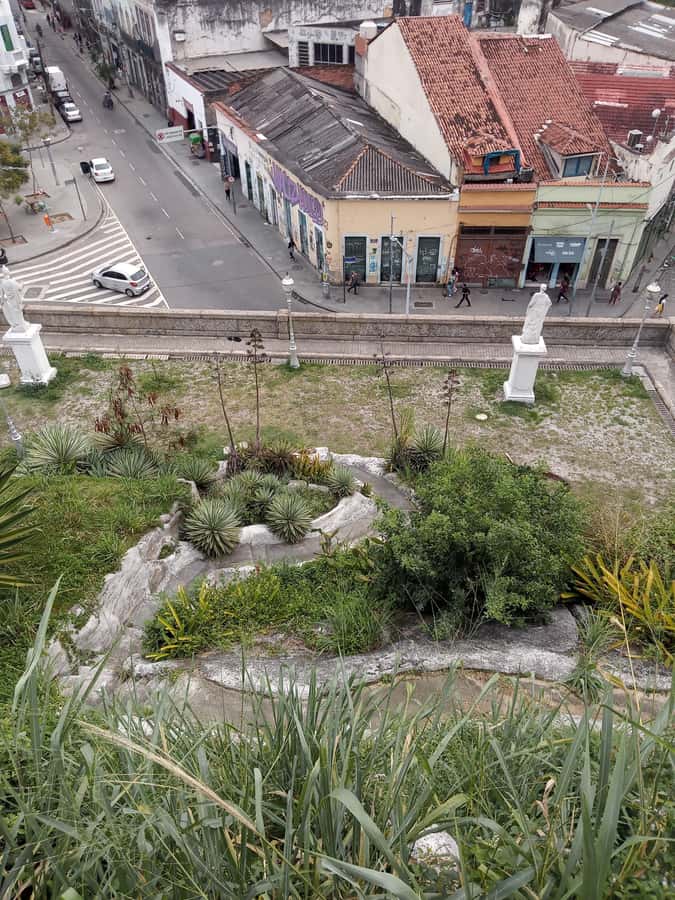
The tour meets in downtown Rio and lasts about three hours. Transportation is not included, so you are responsible for reaching the meeting point and returning afterward. The exact route and individual stops are not fully specified, but the walk takes you through the former Little Africa zone and its historic remains.
The area once included an open slave market, stores, houses, and graveyards. As you move between locations, pay close attention to the guide’s comments. The value is in the explanation of how the sites fit together, since a street corner or surviving fragment may not explain its importance on its own.
This is a good reason to choose a live guide rather than simply visit an isolated monument. You can ask questions, hear the story in sequence, and understand how the district functioned. The guide’s skill matters greatly here because the physical remains may be modest compared with the weight of the events connected to them.
The walking format also keeps the focus on the neighborhood. You are not rushing from one major attraction to another in an air-conditioned vehicle. You are moving through the same broad zone where people lived, worked, were bought and sold, and were buried.
Historic places, alleys, and difficult truths
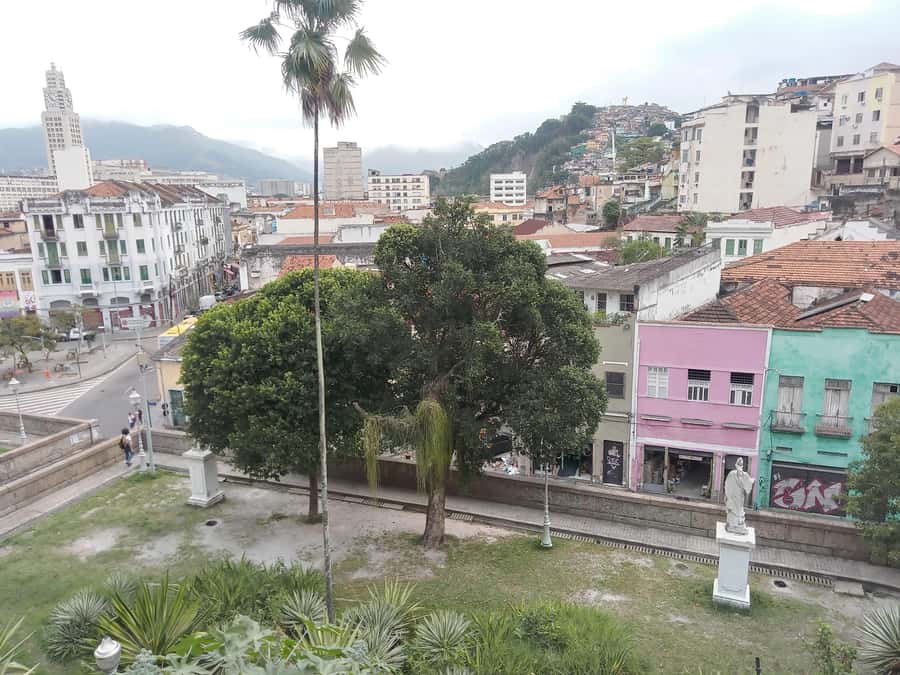
Expect the guide to identify and explain each historical place along the route. The information provided does not name every stop, so I would not book this expecting a fixed checklist of famous landmarks. Think of it as a guided history walk through a district, with the meaning of each site supplied by the commentary.
The alleys are part of the experience. They help you see the area as a lived-in place rather than a distant chapter in Brazilian history. A house, road, or remaining structure can prompt a discussion about the people who passed through the district and the systems that shaped their lives.
The subject requires care. Avoid treating the tour as a backdrop for casual photographs or loud conversation. The description asks you to be respectful, and that advice is especially important around former market and burial sites.
I would also allow yourself time to process what you hear. Three hours is long enough for a serious introduction, but not so long that the subject becomes an all-day academic course. The pace gives you room to listen and look around without trying to absorb an entire country’s history in one rush.
Art, culture, and the future
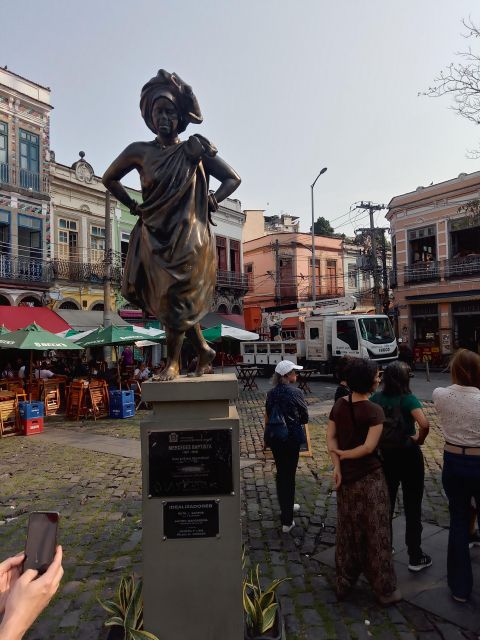
Little Africa is not treated only as a place of loss. The experience also highlights Black art and Brazilian culture, then points toward the future. That wider frame helps you understand African heritage as an active part of Brazil, not something confined to the past.
A museum or art museum may be part of the route, but you should clarify exactly what is included. One participant was charged separately for museum entry and found that an exhibit at the art museum was not part of the tour. This is a useful warning: the walk may pass cultural institutions without including every exhibit or admission ticket.
Food, drinks, souvenirs, and transportation are not included. That keeps the listed experience focused, but it means you should budget separately if you want refreshments or museum access. The supplied information does not specify a meal stop, so do not count on food being part of the three-hour schedule.
The future-oriented discussion is one of the more interesting features. It suggests that the guide will connect historical memory with present-day culture and ongoing questions of identity. The exact content depends on the guide, but the theme gives the walk more purpose than a simple tour of old sites.
A different side of the city, same few days:
- Rio de Janeiro: 6-Stop Highlights of Rio with Lunch
★ 4.4 · 5,157 reviews - Christ the Redeemer Entry Ticket by Corcovado Train
★ 4.4 · 4,476 reviews - Rio: Christ the Redeemer, Sugarloaf, Selaron & BBQ Lunch
★ 4.5 · 2,428 reviews - Rio de Janeiro: Angra dos Reis and Ilha Grande Full-Day Tour
★ 4.6 · 1,673 reviews
The guide makes or breaks this experience

This tour depends heavily on the person leading it. The strongest feedback describes guides who tell the story with passion, kindness, and clear explanations.
Larissa has been praised for bringing the past to life and helping you picture events as they happened. Gabriela has been described as personable and well informed, with a style that gives you a useful foundation for understanding Brazilian history and culture. Luana received praise for her care and thoughtfulness, while Rafael was praised for both his guiding and the company’s flexibility after a delayed flight.
Tatjana was also singled out for making the walk an educational highlight of a visit to Rio. These names matter because they show what the best version of the tour can offer: more than facts, a clear sense of why the places matter.
But you should not assume every language experience will be equally strong. Two participants had difficulty understanding their English-speaking guides, even while recognizing that the guides knew the subject. One felt the tour might have worked better in Portuguese. If you need English, ask in advance which guide is assigned and how the language will be handled.
The tour is offered in English, Portuguese, and Spanish. That is useful for mixed-language groups, but the actual clarity of the presentation remains important. A guide can know the material well and still be hard to follow. For a history walk built around spoken explanation, that is a real issue rather than a minor inconvenience.
Is the three-hour format good value?
The advertised online payment is US$32 per person. There is also an additional R$160 per person paid directly to the guide. The information gives the total payment as R$310 per passenger, so you should treat the online price as only part of the final cost.
Credit and debit card payments for the additional amount carry a stated 5 percent tax. Ask how the final amount will be calculated and confirm the payment method before setting out. The cost for children is reduced, but the supplied details use slightly different age wording, so confirm the exact child rate when booking.
At the full stated price, the value depends on what you want from Rio. If you want a focused introduction to Black Brazilian history with a live guide, three hours can be worthwhile. The guide’s interpretation is the main service you are paying for, since transportation, food, drinks, souvenirs, and some possible museum admission are separate.
The value is weaker if you expect a large number of included attractions or a fully packaged sightseeing outing. This is not a ticket bundle. It is a guided walk centered on explanation, historical places, and cultural context.
The company also offers free cancellation up to 24 hours before the start time and a reserve-now, pay-later option through the booking platform. Those terms are useful if your Rio plans are still shifting. The tour requires at least two customers, so solo visitors should contact the provider before booking rather than assume the walk will operate for one person.
Practical preparation for the walk

Wear shoes you can use comfortably for three hours. The experience is on foot and includes alleys and historic areas, while no transportation is included. The supplied information does not describe the route’s accessibility or terrain in detail, so ask the provider if you have mobility concerns.
Bring identification or a copy. An ID or copy is mandatory, and forgetting it could create an avoidable problem.
You will need to arrange your own transport to the downtown meeting point. Give yourself enough time to arrive, since the tour begins from there and the provider may have a minimum group requirement.
Children aged five to ten receive a 50 percent discount, and children from zero to four are free when seated on a parent’s lap. Another payment note lists the half-price child range as ages three to ten, so families should confirm the correct age policy before paying.
I would not schedule this immediately before a major event or flight. The subject is weighty, the tour lasts three hours, and the company has limits around group size and timing. A little breathing room will make the experience easier.
Who will appreciate this tour most?

This walk suits you if you want to understand Rio through Black Brazilian heritage, rather than only through its famous scenic attractions. It is especially useful early in a Rio visit because it can give later visits to museums, neighborhoods, and cultural sites more context.
It also fits visitors interested in slavery history, African diaspora studies, Brazilian culture, and the relationship between historic memory and modern identity. The guide’s commentary is central, so you should enjoy listening and asking questions.
Families with older children may find the walk meaningful, though the subject is serious. Parents should decide how much detail is suitable for their children. The child discounts make it more accessible for families, but free admission for young children does not change the nature of the material.
You may want to skip it if you are looking for a relaxed, entertaining stroll with little historical detail. You may also want to reconsider if you need perfectly polished English and cannot confirm the guide in advance. The mixed language feedback is the clearest weakness in an otherwise highly praised experience.
Should you book the Little Africa walk?
I would book this tour if you want a thoughtful, place-based introduction to the African heritage of Brazil and are willing to give the subject your full attention. The best guides appear to turn a three-hour walk into a clear and moving history lesson, with Larissa, Gabriela, Luana, Rafael, and Tatjana receiving especially strong praise for their care and storytelling.
Before paying, confirm three things: the assigned guide and language, the total cost including the R$160 direct payment, and whether any museum entry is extra. Those checks address the main complaints and help you know what you are buying.
Book it for history, context, and human stories. Do not book it simply because it fills three hours in downtown Rio. Little Africa asks for respect, but it gives you a more meaningful understanding of Brazil in return.
FAQ
Where does the Little Africa walking tour meet?
The meeting point is in downtown Rio de Janeiro. Transportation to and from the meeting point is not included.
How long does the tour last?
The walking tour lasts three hours.
Which languages are available?
The tour is offered with a live guide in English, Portuguese, or Spanish.
What is the total price per passenger?
The stated total is R$310 per passenger. This includes the US$32 reservation payment through the booking platform and an additional R$160 paid directly to the guide. Card payments for the additional amount carry a stated 5 percent tax.
Is a museum ticket included?
Museum admission is not clearly included. One museum entry has required an additional payment, so confirm the details with the provider before the tour.
Are children allowed, and do they receive a discount?
Children aged five to ten receive a 50 percent discount, while children aged zero to four are free when seated on a parent’s lap. The payment information also gives the half-price range as ages three to ten, so confirm the exact policy when booking.
Can I cancel the reservation?
Yes. You can cancel up to 24 hours in advance for a full refund. A reserve-now, pay-later option is also available through the booking platform.
Just added around Rio
- Rocinha Jeep Tour: A Journey into the Soul of the Favela!★ 3.8 · 3 reviews
- Tijuca National Park and all its wonders!★ 5.0 · 3 reviews
- Rio de Janeiro: Hang gliding adventure★ 3.7 · 3 reviews
- Rio: Best Dive Experience All Inclusive Scuba Diving Package★ 5.0 · 3 reviews
- Rio de Janeiro: Doors-off 30-min helicopter tour★ 5.0 · 3 reviews
- Pedra Bonita Trail: The easiest trail with a beautiful view of Rio★ 4.6 · 3 reviews
- Rio de Janeiro Secluded Beaches: Hike+Swim Prainha & Grumari★ 5.0 · 3 reviews
- Unforgettable Boat Party★ 5.0 · 3 reviews
Walking Tours, compared.

Sunrise and Sunrise Walk Two Brothers with Local Guide
Read our review →
Learn the History of Rio with an Unforgettable City Center Walking Tour
Read our review →
Rio’s city walking tour: a glimpse of history and olympic legacy
Read our review →
Walking tour of the bohemian neighborhoods of Santa Teresa and Lapa
Read our review →
Browse the lists this tour appears in