
Reviewed · WALKING TOURS
Rio: African Culture Walking Tour
Rio’s best-known attractions are sun, sand, and samba. This three-hour walk shows where the samba story begins, in Little Africa and Pedra do Sal, while connecting those places to Black resistance and Brazil’s long struggle to end slavery. I like the serious historical focus, and I like that the walk ends inside Cidade do Samba, where Carnival floats and costumes take shape. The only drawback is that the final Carnival visit is more staged and less intimate than the street history that comes before it.
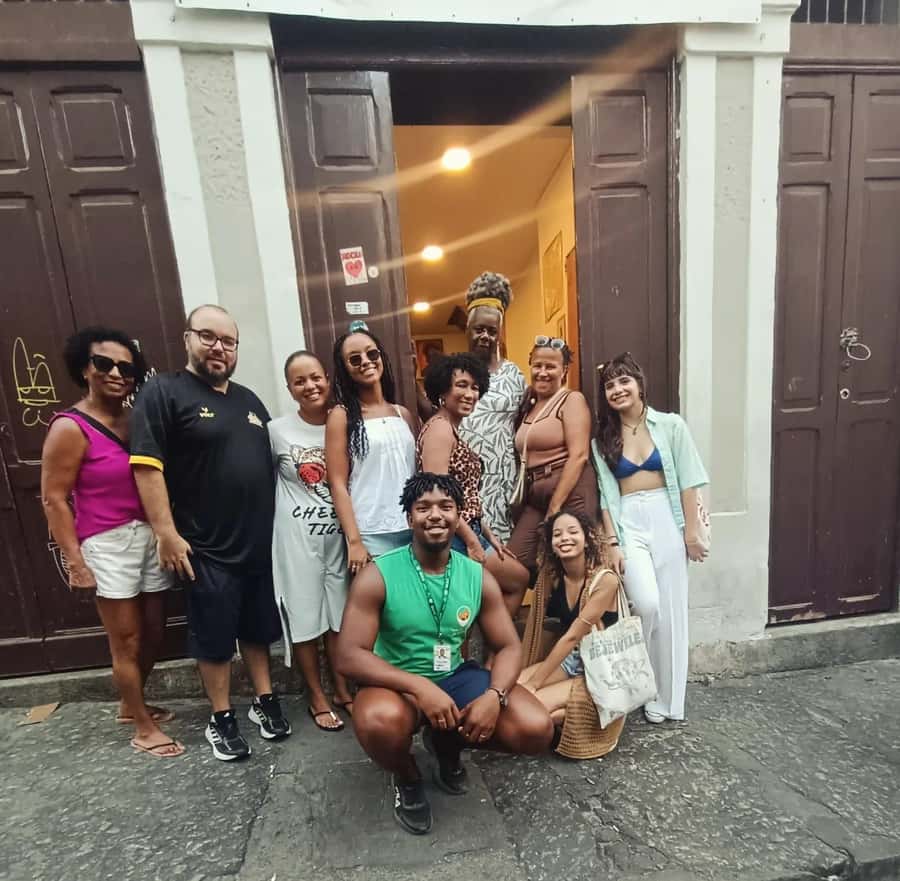
You’ll walk with a guide in English, Spanish, or Portuguese, with Rafael among the named guides associated with the experience. The tour is listed as a private group and also described as a small-group outing for up to 15 people, so confirm the exact group arrangement when booking. At $100 per person, it makes the most sense if you want context and conversation, not simply a quick look at famous sights.
In This Review
- Key points to know before booking
- Why this Rio walk matters
- Walking through Little Africa and Pedra do Sal
- The history of slavery and Black resistance
- Entering Cidade do Samba and the Carnival workshops
- How the three-hour format works for you
- Language, guides, and the value of discussion
- Is $100 per person a fair price?
- Who should book this experience?
- Should you book the African Culture Walking Tour?
- FAQ
- How long does the African Culture Walking Tour last?
- What places does the walking tour cover?
- What will I learn about during the tour?
- Is entrance to Cidade do Samba included?
- Which languages are available?
- Is the tour wheelchair accessible?
- Is food or drink included?
- Can I cancel the tour for a refund?
Key points to know before booking
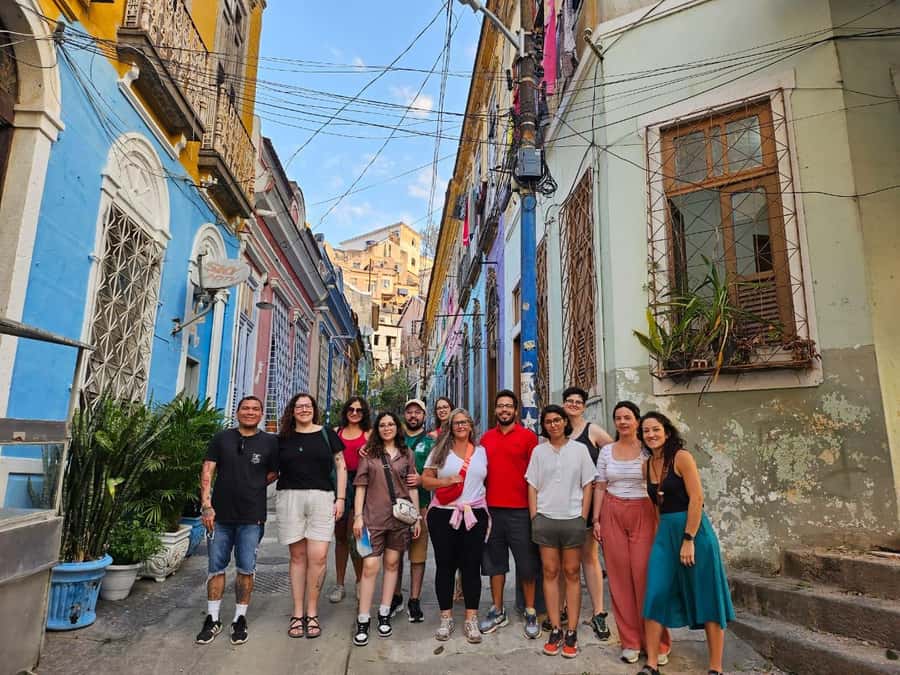
- Little Africa and Pedra do Sal: Visit two important areas linked to Rio’s Afro-Brazilian past and the origins of local samba culture.
- History with a human focus: Learn about slavery, Black resistance, abolition, and the ways that past still shapes Rio.
- Cidade do Samba included: Go behind the scenes at the Carnival complex and visit the Carnaval Experience.
- Three hours on foot: The tour covers a lot without requiring a full day, and one review specifically notes that the walking load was manageable.
- Small-group setting: The published maximum is 15 people, with live guiding in English, Spanish, and Portuguese.
- Flexible booking: You can cancel up to 24 hours before the start for a full refund and reserve without paying immediately.
Why this Rio walk matters
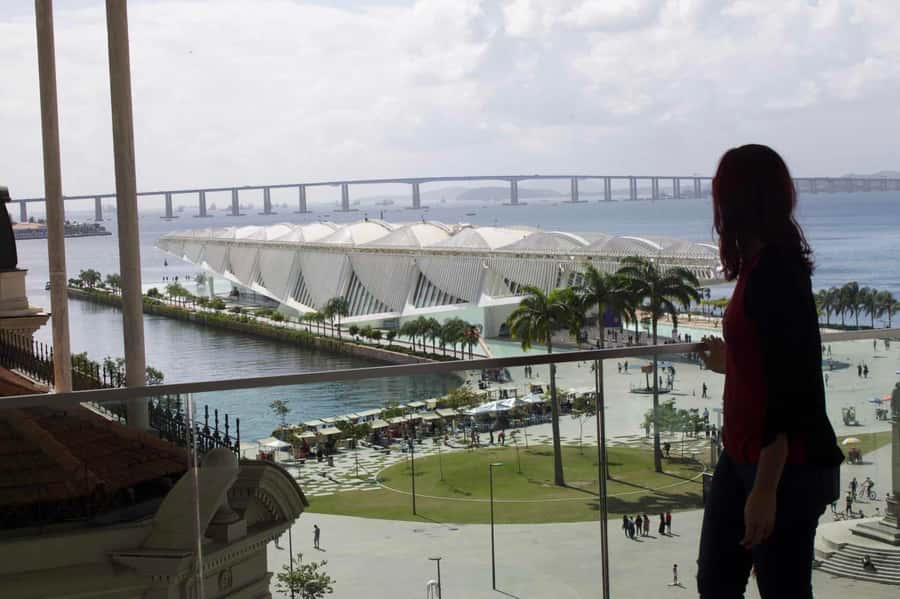
I like tours that explain a city instead of just pointing at it. This one uses Rio’s African heritage as its main subject, giving you a way to understand the city beyond beaches, viewpoints, and nightlife.
Brazil was the last country in the Americas to abolish slavery, and the tour places that fact within Rio itself. You’ll hear about the struggle for abolition and visit areas tied to Black life, resistance, and cultural survival. That makes the experience useful for anyone who wants more than a general introduction to Brazilian culture.
The guide-led format matters here. Historical sites do not always explain themselves, and the meaning of a street, hill, or neighborhood can be easy to miss without local context. You can ask questions as you go, compare Brazil’s racial history with other countries, and discuss how Afro-Brazilian traditions continue in modern Rio.
One American participant found useful parallels between systems of racial oppression in Brazil and the United States, along with important differences. That is a good clue about the tone of the tour: expect discussion, not a string of dates and names.
More walking tours in Rio:
- Rio de Janeiro: Rocinha Favela Walking Tour with Local Guide
★ 4.8 · 3,052 reviews - Rio De Janeiro: Half-Day Rocinha Favela Walking Tour
★ 4.7 · 2,272 reviews - Sunrise and Sunrise Walk Two Brothers with Local Guide
★ 5.0 · 193 reviews
Walking through Little Africa and Pedra do Sal
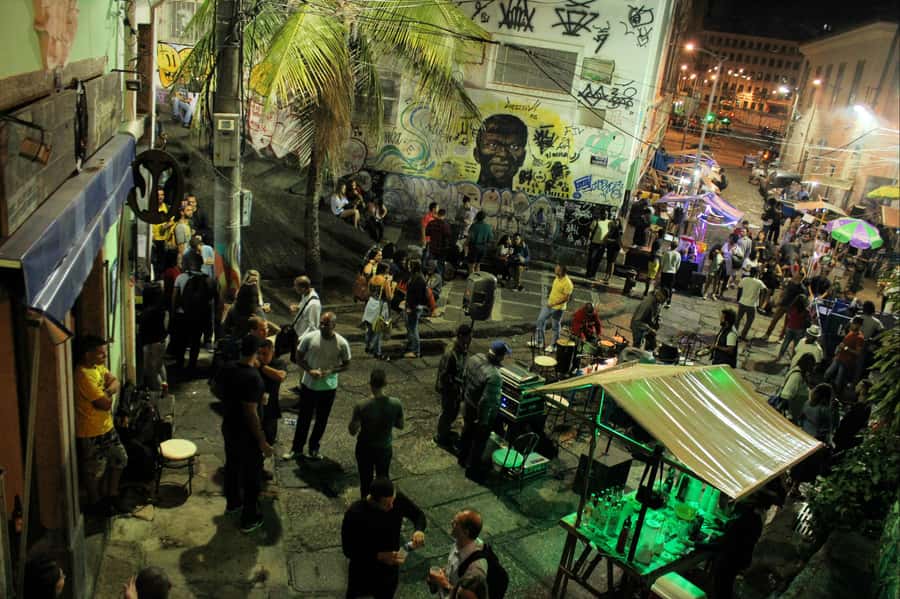
The walking portion takes place in the Little Africa and Pedra do Sal area. These are not just scenic backdrops. They are places where the guide can connect Rio’s Black population, the history of slavery, religious and cultural traditions, resistance, and samba.
You should expect the guide to explain why this part of Rio matters and how Afro-Brazilian culture developed in the city. The experience is less about ticking off monuments and more about reading the area through its history.
Pedra do Sal is especially linked with samba and Afro-Brazilian cultural life. Your guide can help you understand the relationship between the place and the music tradition that later became one of Rio’s defining cultural exports. That context gives the word samba more weight. It is not just a Carnival soundtrack or a dance class. It is part of a much longer story.
I would keep your schedule open enough for questions. The strongest parts of this tour seem to come when the guide explains an issue clearly, then lets you ask how it connects with present-day Rio. One Spanish-language review described the guide as clear, well prepared, and flexible, with helpful suggestions for other activities after the scheduled tour.
The walk is listed as wheelchair accessible. Still, the exact comfort of any historic urban route can depend on the streets and surfaces used that day, so anyone with specific mobility needs should confirm the route details before booking.
The history of slavery and Black resistance
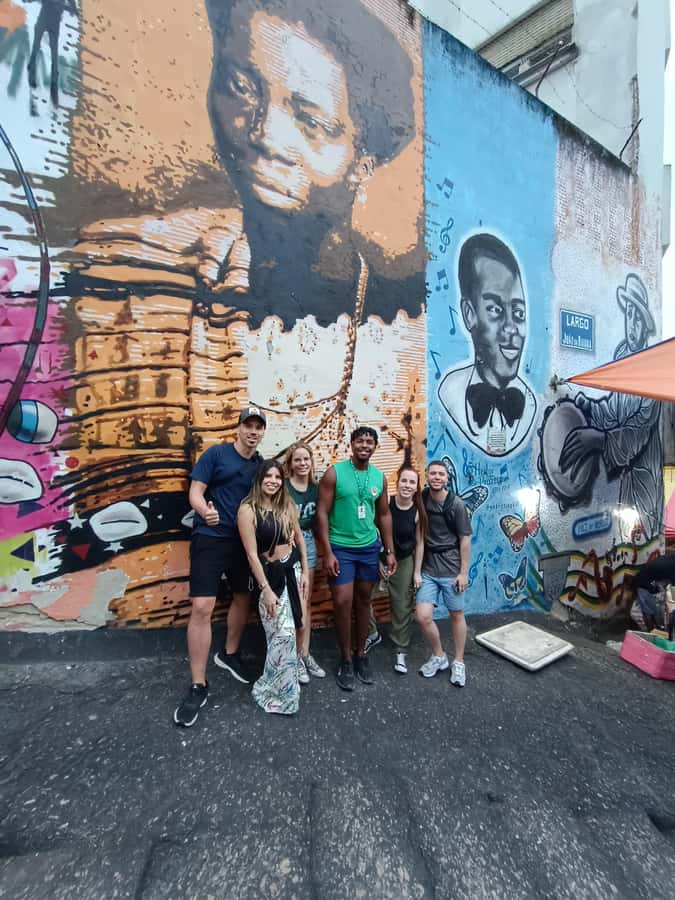
This is the heart of the experience. You’ll learn about slavery in Brazil, the campaign to end it, and the resistance of Black communities. The tour does not treat Afro-Brazilian culture as decoration added to a sightseeing route. It presents culture as part of a history shaped by forced migration, oppression, survival, and creativity.
That distinction is important. A casual samba show can be entertaining, but it may not explain why the music matters. Here, the historical walk comes first, so the later Carnival visit has more meaning.
You can also expect comparisons across countries. One particularly useful feature is the chance to discuss similarities and differences between Brazil’s racial systems and those of the United States. This is not a substitute for a full academic course, but it can give you a clearer framework for understanding what you see in Rio.
The tour appears to work best with an engaged guide. Rafael was praised for being attentive, and another guide was described as open to questions and discussion. That personal contact is valuable on a subject that can easily become either too broad or too dry.
At the same time, three hours is not enough to cover every part of Afro-Brazilian history. The guide will necessarily select certain themes and places. If you already have a strong background in the subject, you may want to use the tour as a starting point and continue learning elsewhere.
Entering Cidade do Samba and the Carnival workshops
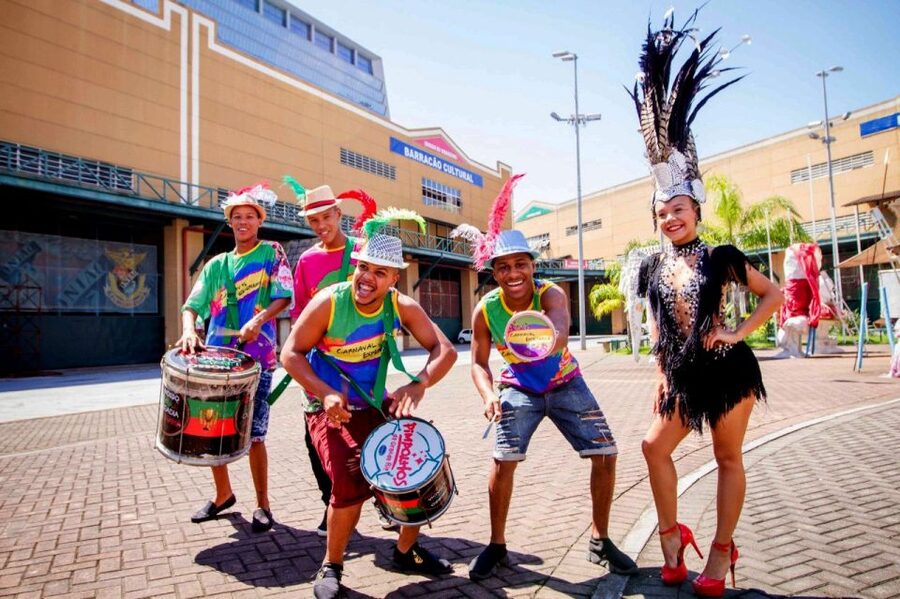
The tour finishes at Cidade do Samba, also called the City of Samba, with entrance to the Carnaval Experience included. This changes the mood. After the serious street history, you get a look at the practical work behind Rio’s famous Carnival parades.
You’ll learn how samba schools organize their parades and see the spaces where Carnival pieces are created. The visit offers a peek behind the curtains of the event, showing that Carnival depends on far more than dancers and music on parade night.
This is the part most likely to appeal to first-time visitors who want to understand how the spectacle is made. The large floats, costumes, and set pieces require workshops, planning, and skilled labor. Seeing the production side can make the parade feel less like a one-night show and more like a major cultural project.
There is a balance to keep in mind. The Carnival warehouse visit is exciting, but it has a more organized visitor experience than the neighborhood walk. One assessment described this final section as slightly less authentic, even while calling the access to a major samba school warehouse amazing.
That is a fair way to view it. Cidade do Samba is not an everyday neighborhood encounter. It is a purpose-built cultural attraction. Its value comes from access and explanation, not from pretending to offer an untouched local experience.
A different side of the city, same few days:
- Rio de Janeiro: 6-Stop Highlights of Rio with Lunch
★ 4.4 · 5,157 reviews - Christ the Redeemer Entry Ticket by Corcovado Train
★ 4.4 · 4,476 reviews - Rio: Christ the Redeemer, Sugarloaf, Selaron & BBQ Lunch
★ 4.5 · 2,428 reviews - Rio de Janeiro: Angra dos Reis and Ilha Grande Full-Day Tour
★ 4.6 · 1,673 reviews
How the three-hour format works for you
Three hours is a sensible length for this subject. You get enough time for a substantial walking tour and the Cidade do Samba visit without giving up an entire day in Rio.
The schedule may vary because starting times depend on availability. Plan around the confirmed start time, and send the requested WhatsApp contact before the tour so the operator can reach you if needed.
The walk is described as manageable rather than exhausting. One person specifically noted that the tour covered a lot without requiring too much walking. That makes it a reasonable choice if you want a cultural outing but do not want a full-day walking marathon.
Food and drinks are not included. Bring what you need for the three-hour period, especially if you prefer to have water with you during an urban walk. There is no meal component to distract from the historical and cultural focus.
The group format deserves a quick check. The experience is presented as a private group, while the description also gives a maximum of 15 people. If you are booking as a couple or family and care about having a fully private guide, ask for confirmation of how the group will be arranged.
Language, guides, and the value of discussion
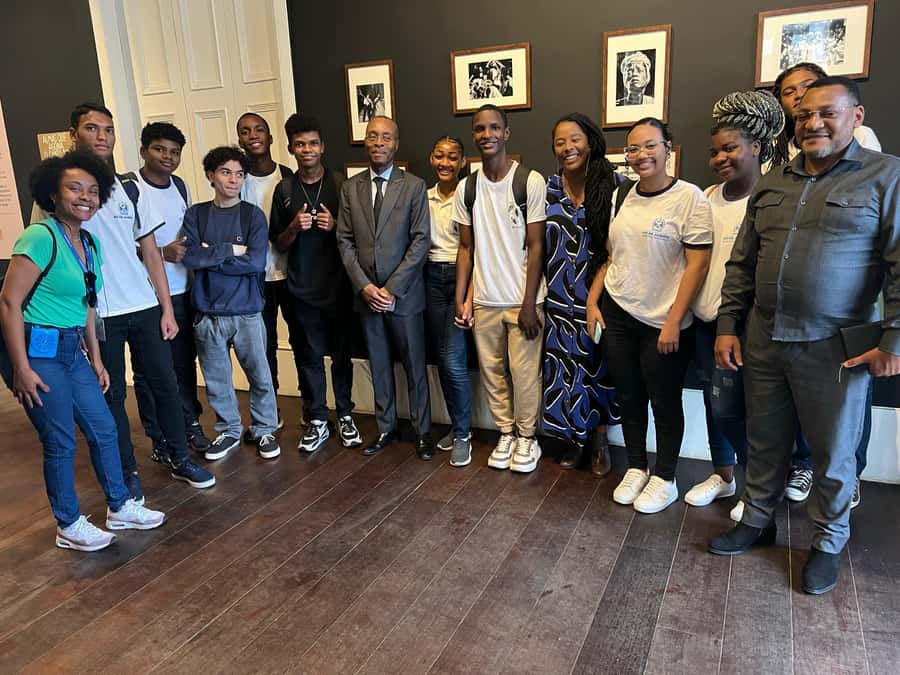
Live guiding is available in English, Spanish, and Portuguese. That is a real advantage on a tour built around history and social questions. You want to understand the explanation, not just follow a route.
Rafael is specifically named in the available information, and his attentiveness received strong praise. Other feedback highlights a guide who explained Afro-Brazilian history in a clear, educational way and adjusted suggestions when extra time remained.
That flexibility may be useful. One person received help arranging an additional graffiti stop and coordinating an Uber trip back to the hotel. Do not assume that an extra stop is part of the standard program, but it suggests that the guide may be able to help with practical ideas when time allows.
The best approach is to arrive with questions. Ask about the relationship between slavery and Rio’s urban growth, the meaning of Pedra do Sal, or how samba schools developed. The guide is there to give you context, but the quality of the conversation depends partly on your willingness to take part.
Is $100 per person a fair price?
At $100 per person, this is not a cheap stroll through central Rio. The price includes a three-hour guided walk, all taxes and handling charges, entrance to Cidade do Samba, and the Carnaval Experience.
The value depends on what you want from the day. If you only want to see Pedra do Sal and take a few photos, the price may feel high. If you want a guide to explain slavery, abolition, Black resistance, Afro-Brazilian culture, samba, and Carnival production in one connected experience, the cost is easier to justify.
The included Carnival entrance also saves you from arranging that visit separately. More important, the guide links the two parts. You first learn about the cultural and historical roots, then see one modern expression of that heritage in the samba schools and parade workshops.
A private or very small group can make the price more reasonable, especially if you want to ask questions. Since the listing also allows up to 15 people, confirm the final group size if personal attention is a major reason for booking.
Who should book this experience?

I would recommend it to you if you want to understand Rio’s Afro-Brazilian culture through both history and living tradition. It suits first-time visitors who want a thoughtful introduction, as well as returning visitors who have already seen the major postcard sights.
It is also a good fit if you enjoy asking questions, discussing social history, and connecting music and festivals with the forces that shaped them. The multilingual guiding makes it practical for English-, Spanish-, and Portuguese-speaking visitors.
You may want to skip it if your main goal is a relaxed sightseeing walk with little serious discussion. The slavery and abolition material is central, not a brief footnote. The Carnival section is entertaining, but the tour is not simply a samba-themed attraction.
Should you book the African Culture Walking Tour?
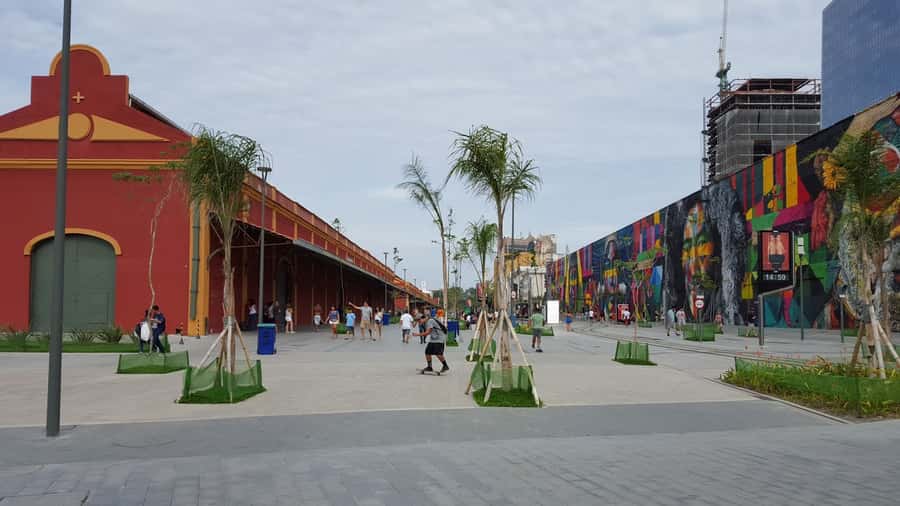
Book it if you want Rio explained from an Afro-Brazilian perspective and like the idea of combining a serious historical walk with a look inside Carnival production. The strongest features are the thoughtful guiding, the focus on Little Africa and Pedra do Sal, and the chance to ask questions in a small-group setting.
The main caution is the price and the mixed character of the final stop. At $100, you should value the interpretation as much as the sights. Cidade do Samba is interesting and visually appealing, but the street history is likely to feel more personal and authentic.
For a better experience, contact the operator through WhatsApp before the tour, confirm the meeting details and group arrangement, and choose a language in which you can comfortably discuss complex history. If that sounds like your kind of Rio, this is a strong choice.
FAQ
How long does the African Culture Walking Tour last?
The tour lasts three hours, including the walking portion and the visit to Cidade do Samba.
What places does the walking tour cover?
The walking tour covers the Little Africa and Pedra do Sal areas of Rio de Janeiro.
What will I learn about during the tour?
You will learn about Afro-Brazilian culture and traditions, slavery in Brazil, Black resistance, and the struggle for abolition.
Is entrance to Cidade do Samba included?
Yes. Entrance to Cidade do Samba and the Carnaval Experience is included in the tour.
Which languages are available?
Live guiding is available in English, Spanish, and Portuguese.
Is the tour wheelchair accessible?
Yes, the activity is listed as wheelchair accessible.
Is food or drink included?
No. Food and drinks are not included in the price.
Can I cancel the tour for a refund?
Yes. You can cancel up to 24 hours in advance for a full refund. You can also reserve now and pay later, according to the booking terms.
Just added around Rio
- Rocinha Jeep Tour: A Journey into the Soul of the Favela!★ 3.8 · 3 reviews
- Tijuca National Park and all its wonders!★ 5.0 · 3 reviews
- Rio: Best Dive Experience All Inclusive Scuba Diving Package★ 5.0 · 3 reviews
- Rio de Janeiro: Doors-off 30-min helicopter tour★ 5.0 · 3 reviews
- Rio de Janeiro: Hang gliding adventure★ 3.7 · 3 reviews
- Pedra Bonita Trail: The easiest trail with a beautiful view of Rio★ 4.6 · 3 reviews
- Rio de Janeiro Secluded Beaches: Hike+Swim Prainha & Grumari★ 5.0 · 3 reviews
- Unforgettable Boat Party★ 5.0 · 3 reviews
Walking Tours, compared.

Sunrise and Sunrise Walk Two Brothers with Local Guide
Read our review →
Learn the History of Rio with an Unforgettable City Center Walking Tour
Read our review →
Rio’s city walking tour: a glimpse of history and olympic legacy
Read our review →
Walking tour of the bohemian neighborhoods of Santa Teresa and Lapa
Read our review →
Browse the lists this tour appears in