

Reviewed · HISTORICAL TOURS
Rio Culture and History through the Art of Traditional Foods
Rio’s food story comes alive one bite at a time on this walking tour through downtown, Lapa, and Santa Teresa. You might start with pão de queijo, coxinha, açaí, tapioca, and cachaça, then move from family-run food stops to the grand Colombo confectionery and Rio’s old streets.
I like the way the tour joins food with sightseeing, rather than treating lunch as a separate event. I also like that guides such as Romayne and Camila have brought personal stories, local relationships, and a clear affection for Rio into the day. The main drawback is the price: at $198 per person, this is a costly food tour, even with tastings, drinks, tram fare, and entrance fees included.
In This Review
- Key points to know before booking
- Why this tour works as a first taste of Rio
- Starting downtown with Brazilian snacks
- Confeitaria Colombo and Rio’s sweet side
- Lapa’s bars, arches, and layered city life
- Riding into Santa Teresa
- What Romayne and Camila add to the day
- How much food and drink should you expect?
- Is $198 good value?
- Timing, clothing, and what to carry
- Who should book this food tour?
- Should you book it?
- FAQ
- How long does the Rio food and culture tour last?
- What time does the tour begin?
- Which neighborhoods does the tour visit?
- What foods can I taste?
- Are drinks included?
- Is the Santa Teresa tram included?
- How much walking is involved?
- Is hotel pickup included?
- What languages are available?
Key points to know before booking
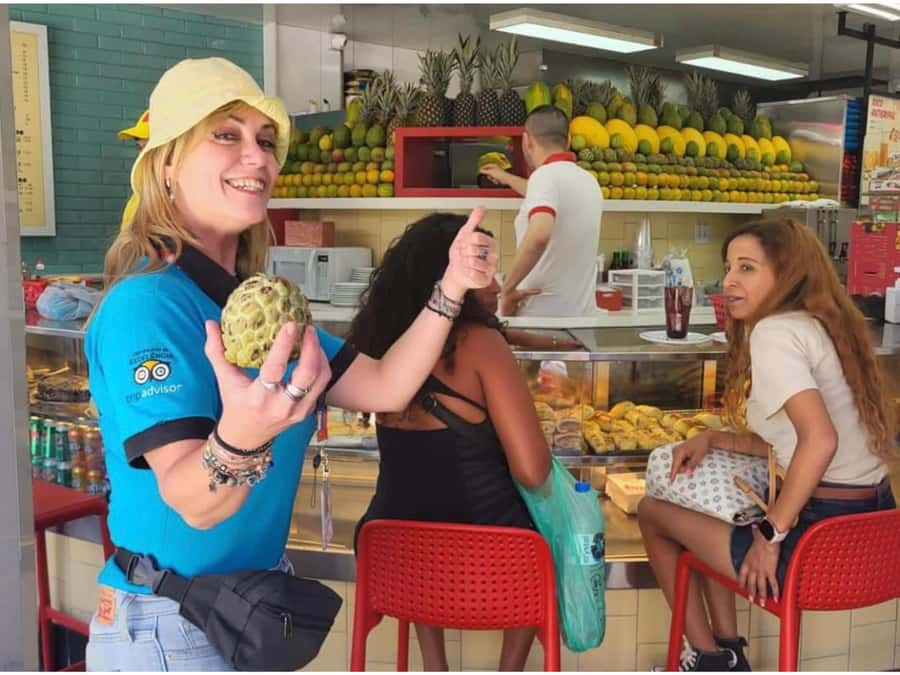
- Pão de queijo, coxinha, bacalao fritters, and brigadeiros: Expect a broad tasting of Brazil’s favorite savory snacks and sweets.
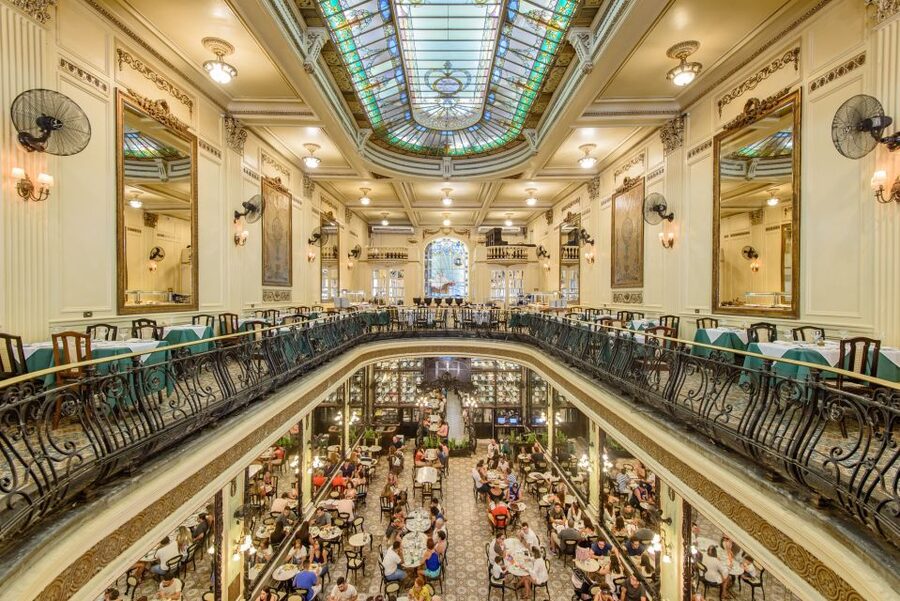
- Confeitaria Colombo: This famous downtown confectionery adds elegant surroundings and a look at Rio’s café culture.
- The tram over the Lapa Arches: The ride into Santa Teresa is one of the tour’s most memorable sightseeing moments.
- Romayne and Camila: These guides have been praised for storytelling, warmth, and strong connections with local food businesses.
- Six hours with about one mile of walking: The pace suits most fitness levels, but the long duration makes comfortable clothing and sensible planning important.
- English or Spanish guiding: You can choose between two listed tour languages, with a guide explaining both food and Rio’s cultural past.
Why this tour works as a first taste of Rio
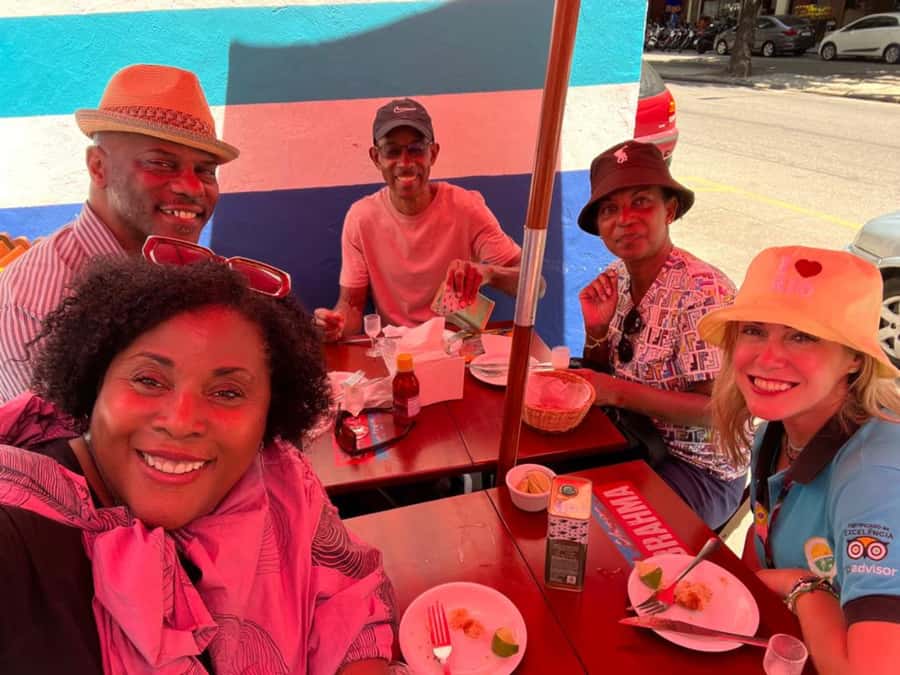
A standard sightseeing tour can show you Rio’s buildings and viewpoints, but food tells you how people actually use a city. Here, manioc flour, tapioca, açaí, cheese bread, sweets, beer, and cachaça give you a practical introduction to Brazilian habits and flavors.
I like this approach because the food is not treated as a string of random samples. Your guide explains family traditions and the history behind the places you visit, so you learn why certain ingredients matter and how they fit into Brazilian cooking.
The route covers central Rio, Lapa, and Santa Teresa. Those areas feel different from the postcard version of the city. You get historic streets, old public buildings, local bars, restaurants, street art, and city views, all mixed into one day.
The food also helps you try items you may not order on your own. Pão de queijo is a small, chewy cheese roll made with manioc starch. Coxinha is a popular fried snack, usually shaped like a teardrop. Açaí, tapioca, and manioc flour show up in different forms, giving you a better sense of Brazil’s everyday pantry.
More history walks in Rio:
- Rio de Janeiro: Historic Rio and Santa Teresa Half-Day Tour
★ 4.4 · 228 reviews - Rio de Janeiro: Little Africa Heritage Walking Tour
★ 4.9 · 177 reviews - Explore Little Africa : Unveiling Afro Heritage in Rio de Janeiro
★ 5.0 · 97 reviews
Starting downtown with Brazilian snacks
The tour begins at a designated meeting point, with check-in at 10:30 a.m. and departure at 10:45 a.m. You are asked to arrive at least 10 minutes early, which matters because this is a moving walking tour with timed food stops and public transport.
The exact first stop can vary, but the day is built around local restaurants and specialty shops. Come hungry. The tastings are substantial enough to replace much of a meal, and the schedule also includes drinks.
Early samples may include pão de queijo and coxinha, two useful introductions to Brazilian snack culture. These are not fussy restaurant dishes. They are the kind of foods you see in bakeries, cafés, snack counters, and casual local spots.
You may also try bacalao fritters, a Portuguese-influenced favorite that reflects Rio’s long relationship with European cooking. The tour’s food selection is one of its strengths because it moves between familiar comfort food, sweets, seafood-based snacks, and ingredients tied to Brazil’s Indigenous and regional traditions.
Guides have also served brigadeiros, the soft chocolate sweets found at parties, bakeries, and confectionery counters across Brazil. One guide, Camila, has even been known to welcome small groups with homemade brigadeiros. That sort of personal touch is not guaranteed with every departure, but it shows the kind of guide-led character this experience can have.
Confeitaria Colombo and Rio’s sweet side
The Colombo confectionery is a major stop for anyone interested in Rio’s food culture. Its appeal is not only the pastries. The setting connects eating with the city’s older café and social traditions.
You can expect a mix of sweets and salty snacks here. The stop gives you a chance to slow down, look around, and understand why this place has remained part of Rio’s public life.
This is also where the tour moves beyond simple street-food sampling. Rio’s culinary identity includes humble fried snacks and everyday bakery food, but it also includes grand cafés, formal interiors, elaborate sweets, and old social rituals.
The balance is useful. You are not being shown only the polished side of the city, and you are not being limited to quick bites. The tour tries to show how different food settings fit together.
If you have a strong sweet tooth, Colombo may be one of your favorite stops. If you prefer a fast-paced street-food crawl, the time spent in a historic confectionery may feel slower. I see that as a matter of taste rather than a flaw, but it is worth knowing before you book.
Lapa’s bars, arches, and layered city life

Lapa is one of Rio’s best areas for seeing how old structures and modern nightlife share the same streets. The neighborhood is known for its bars, restaurants, music venues, and the famous white arches that once carried an aqueduct.
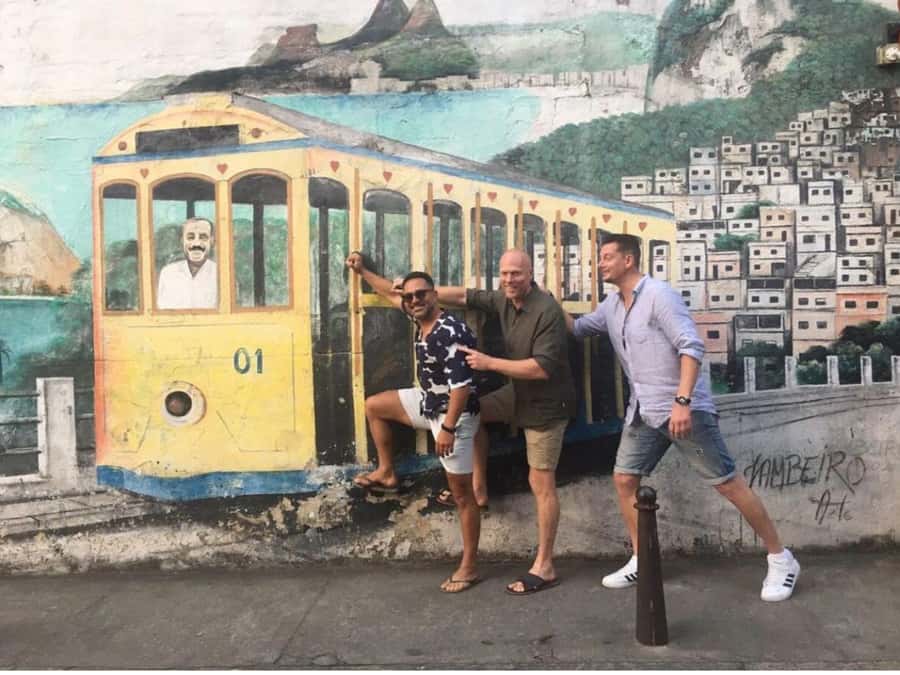
The tour uses the Lapa Arches as more than a photo stop. You board the Santa Teresa tram and ride across the aqueduct on the way uphill. That short journey links downtown and Santa Teresa while giving you a memorable view of one of Rio’s most recognizable structures.
Public transport is part of the experience here, not just a way to save time. The tram has a charm that a private vehicle cannot match, and the route gives you a better feel for how the neighborhoods connect.
The Lapa section can also include city sights beyond the food stops. Guides have shown visitors downtown landmarks, a library reading room, and other places that are easy to miss when you only follow the main tourist route.
You should keep your expectations flexible. The supplied details do not promise a fixed list of every landmark, so the precise sightseeing stops may depend on the guide, timing, and route on the day.
A different side of the city, same few days:
- Rio de Janeiro: 6-Stop Highlights of Rio with Lunch
★ 4.4 · 5,157 reviews - Christ the Redeemer Entry Ticket by Corcovado Train
★ 4.4 · 4,476 reviews - Rio de Janeiro: Rocinha Favela Walking Tour with Local Guide
★ 4.8 · 3,052 reviews - Rio: Christ the Redeemer, Sugarloaf, Selaron & BBQ Lunch
★ 4.5 · 2,428 reviews
Riding into Santa Teresa
The tram ride into Santa Teresa is the tour’s clearest change of mood. Downtown gives way to hillside streets, and the route passes Ruinas Park, where you can take in broad views over Rio.
The views are a good reason to keep your camera handy, but the ride itself is the real point. You are moving through the city in a way that connects its older transport system, hillside neighborhoods, and central streets.
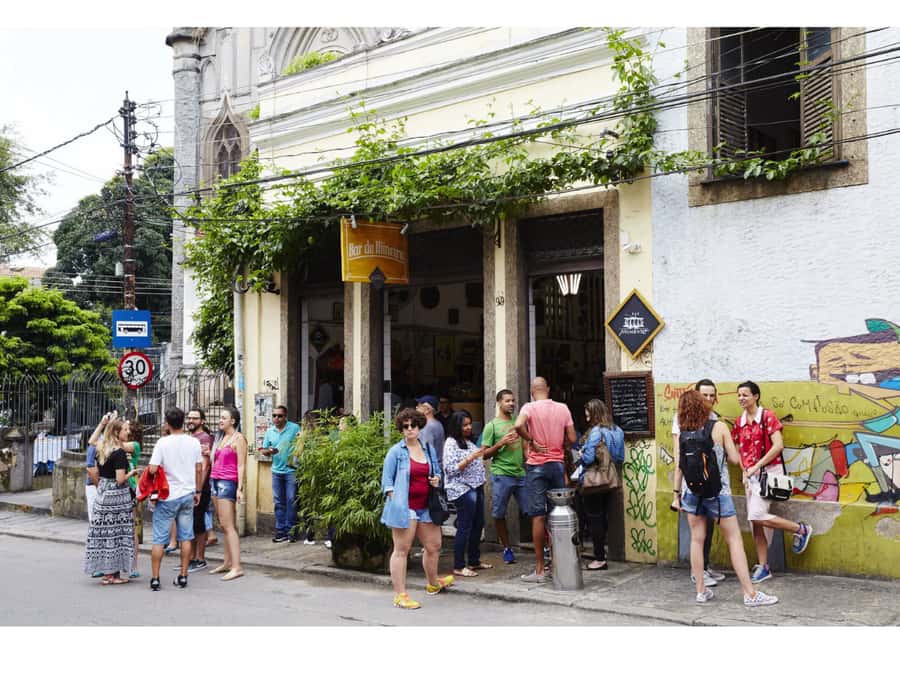
Santa Teresa is known for its restaurants, bars, and creative atmosphere. The tour gives you a chance to see the neighborhood through the places where people eat and drink, rather than only stopping for a quick photograph.
Food stops in Santa Teresa may include local beer and cachaça. Cachaça is Brazil’s sugarcane spirit and the base of a caipirinha, so tasting it helps explain one of the country’s best-known drinks.
Alcohol is included at selected points, but extra food and drinks are not. If you do not drink, you can still enjoy the food and cultural side of the tour, but you may want to confirm the drink alternatives when booking.
The hills are another practical point. The official walking distance is about one mile, which is manageable for most fitness levels. Still, this is not six hours of sitting. You will stand, move between stops, board a tram, and spend time outdoors, so comfortable clothes and practical shoes make sense.
What Romayne and Camila add to the day
The guide can make or break a food tour, and the strongest praise for this experience centers on the people leading it. Romayne has been described as energetic, attentive, and an excellent storyteller after decades of guiding.
His local relationships are especially valuable. At several stops, he knows the staff and can help you feel more connected to the places you visit. That does not simply mean quicker service. It can make a small shop or restaurant feel less like a transaction and more like a personal introduction.
Camila has also received strong praise for her warmth, English skills, and passion for Brazilian food and history. Her approach has included explaining how people live in Rio, sharing personal connections to local restaurants, and making the day feel like food and sightseeing in equal measure.
Guide quality can vary from one departure to another, and no tour can guarantee a specific person unless you arrange that directly. Still, the named guides give you a useful sense of the experience: this is intended to be conversational and story-led, not an audio guide with snacks attached.
Ask questions as you go. The activity specifically includes time for your guide to answer them, and that is where much of the value lies. You can ask about ingredients, family recipes, drinking customs, neighborhood life, or the history of a building you pass.
How much food and drink should you expect?
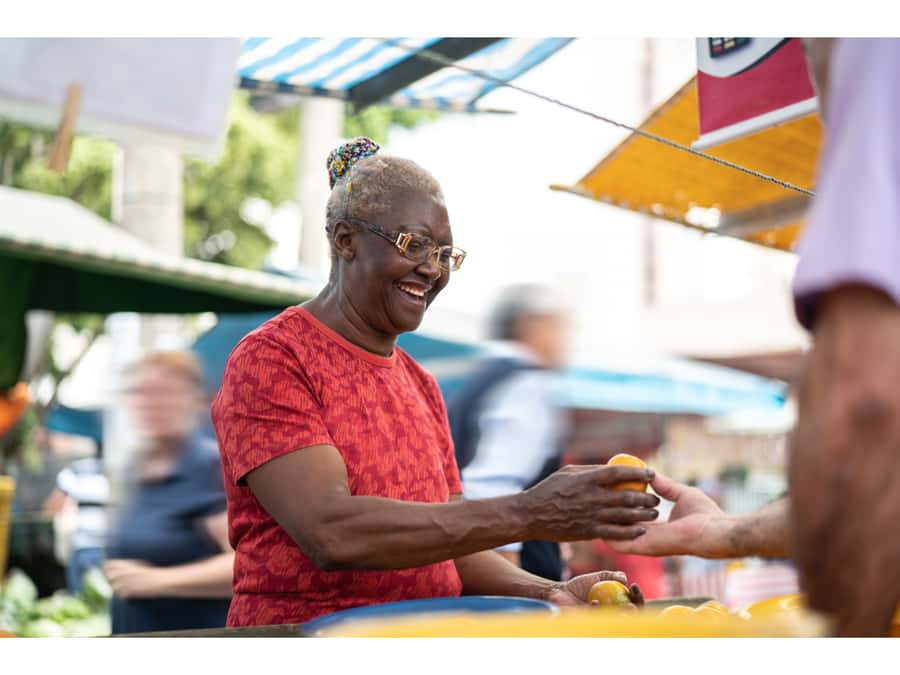
The tour includes tastings and food samples, but it does not give a precise serving list or quantity. You may taste pão de queijo, coxinha, bacalao fritters, brigadeiros, açaí, tapioca-based foods, and other items built around manioc flour.
Beer and cachaça are also part of the route. Some past itineraries have included caipirinhas, but you should treat the exact drink selection as subject to change rather than a fixed promise.
You should eat a light breakfast, not skip food entirely. Arriving very hungry is sensible because the tasting schedule can be generous, but you do not want to begin a six-hour outing feeling weak in the heat.
Food allergies and dietary restrictions deserve advance attention. The provided information does not specify vegetarian, vegan, gluten-free, or allergy-friendly substitutions. Ask the provider before booking if you need changes.
There is no hotel pickup or drop-off included in the listed package. You need to reach the meeting point yourself and return independently after the tour. One past guide has arranged transport informally for a small group, but that should not be assumed as part of the standard service.
Is $198 good value?
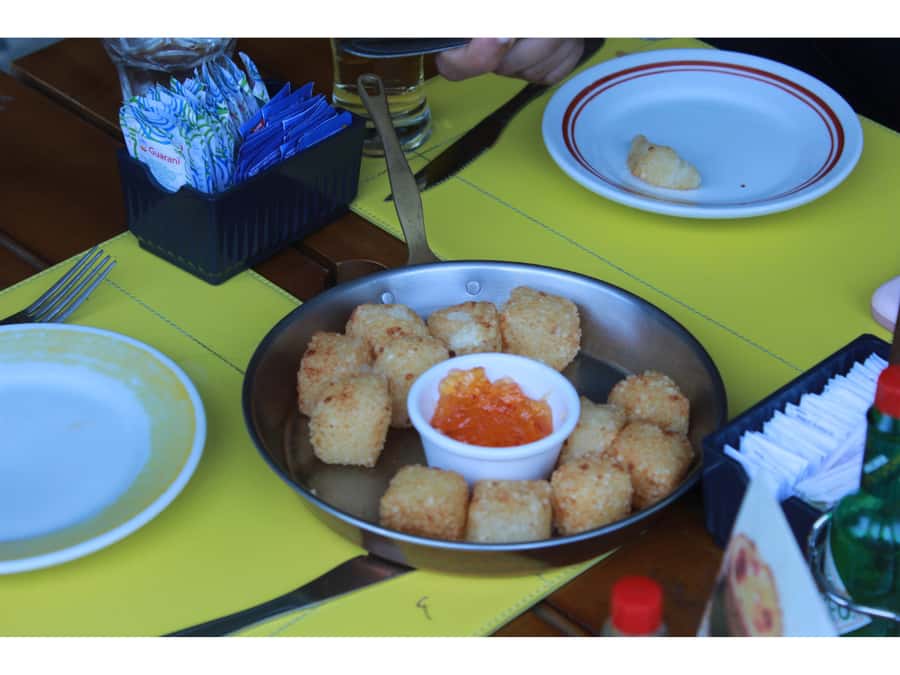
At $198 per person, this is expensive compared with a simple market walk or a short tasting tour. The price makes more sense if you value the full six-hour format, the guide’s cultural explanations, several food and drink samples, the tram ticket, entrance fees, and the sightseeing route.
You are paying for more than food. The day combines a walking tour, a cultural history lesson, public transport, neighborhood orientation, and restaurant introductions. If you were planning to visit Colombo, Lapa, Santa Teresa, and several food stops on your own, the tour can save research time and help you understand what you are seeing.
The value also depends on how much you enjoy guided conversation. If you like finding every stop yourself and prefer to eat at your own pace, the fixed schedule may not justify the cost.
For a first visit to Rio, I see the strongest value in the orientation. You get a practical introduction to foods you might otherwise overlook, along with downtown sights and a tram ride into Santa Teresa. It is a useful way to make sense of several parts of the city in one day.
Timing, clothing, and what to carry
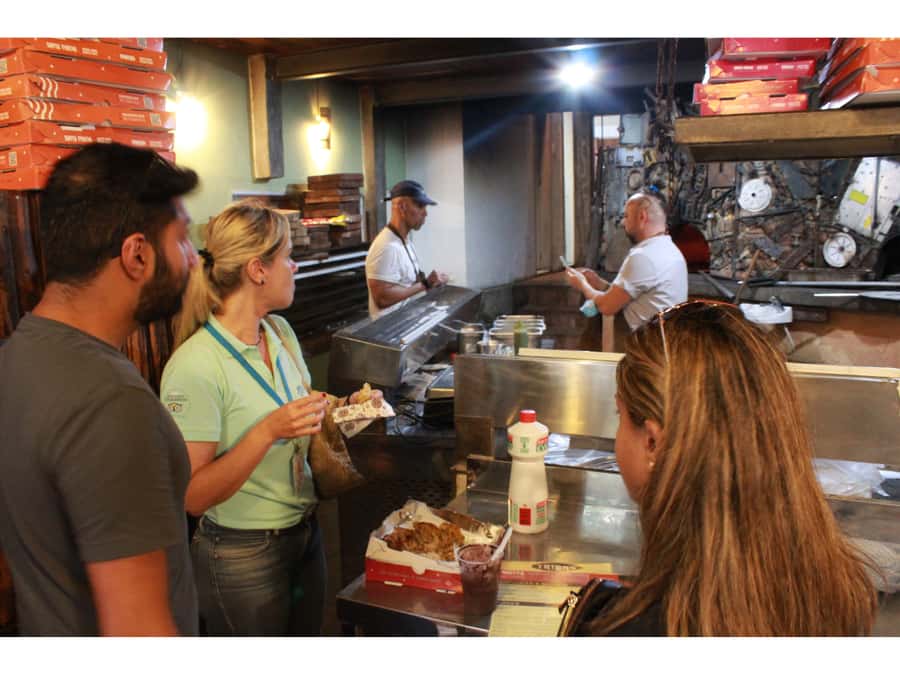
The tour departs at 10:45 a.m. and lasts six hours, so you should plan for it to take up most of your afternoon. Do not schedule a tight evening commitment immediately afterward.
Bring sunglasses, a sun hat, comfortable clothing, and outdoor clothing suited to the day’s conditions. Rio can be hot, and the route includes outdoor walking and open views.
Large bags and luggage are not allowed. Travel light, with only the essentials you can carry comfortably.
The walking distance is about one mile, making the outing suitable for most fitness levels. The distance is not the main challenge. The longer day, outdoor conditions, food stops, and changes between walking and tram travel are what you should prepare for.
The activity is offered in English and Spanish. Free cancellation is available up to 24 hours before departure, and you can reserve now and pay later if that option is offered at booking.
Who should book this food tour?
I would recommend it to you if food is one of your main ways of understanding a place. It suits first-time visitors who want a broad introduction to Rio, as well as repeat visitors who want to see downtown and Santa Teresa through local eating habits.
It is also a good choice if you want a guide who can join the dots between buildings, neighborhoods, family traditions, and ingredients. The strongest part of the day is not any single snack. It is the way the stops build a picture of Rio.
Families and couples who enjoy a long shared outing may like the mix of movement and tasting. Small groups can also benefit from the personal attention described by past participants, though the standard group size is not provided.
I would hesitate if you have strict dietary needs that have not been confirmed, dislike alcohol-related stops, or want a short, inexpensive food crawl. The $198 price needs to fit your budget, and the six-hour commitment is real.
Should you book it?
Book this experience if you want a full cultural day built around food, not just a list of tastings. The tram over the Lapa Arches, the Colombo confectionery, Santa Teresa views, local beer, cachaça, and Brazilian snacks give you a varied look at Rio.
The best reason to book is the guide. Romayne and Camila have shown the warmth, storytelling, and local ties that can turn a route into a genuine introduction to the city. If you are comfortable with the high price and long schedule, this is a strong choice for connecting Rio’s food, neighborhoods, and past in one outing.
FAQ
How long does the Rio food and culture tour last?
The tour lasts six hours, including the walking route, food tastings, sightseeing, and tram ride.
What time does the tour begin?
Check-in is at 10:30 a.m., and the tour departs at 10:45 a.m. You should arrive at least 10 minutes before departure.
Which neighborhoods does the tour visit?
The route includes downtown Rio de Janeiro, Lapa, and Santa Teresa.
What foods can I taste?
Samples may include pão de queijo, coxinha, açaí, tapioca, manioc flour-based foods, sweets, and bacalao fritters. The exact tasting selection can vary.
Are drinks included?
Selected drinks are included, including local beer and cachaça. Additional food and drinks outside the tour itinerary are not included.
Is the Santa Teresa tram included?
Yes. The tram ticket is included, and the route crosses the Lapa Arches on the way toward Santa Teresa.
How much walking is involved?
The total walking distance is about one mile, which is suitable for most fitness levels.
Is hotel pickup included?
No. Hotel pickup and drop-off are not included. You must reach the designated meeting point yourself.
What languages are available?
The tour offers live guiding in English or Spanish.
Just added around Rio
- Rocinha Jeep Tour: A Journey into the Soul of the Favela!★ 3.8 · 3 reviews
- Tijuca National Park and all its wonders!★ 5.0 · 3 reviews
- Rio: Best Dive Experience All Inclusive Scuba Diving Package★ 5.0 · 3 reviews
- Rio de Janeiro: Doors-off 30-min helicopter tour★ 5.0 · 3 reviews
- Rio de Janeiro: Hang gliding adventure★ 3.7 · 3 reviews
- Pedra Bonita Trail: The easiest trail with a beautiful view of Rio★ 4.6 · 3 reviews
- Rio de Janeiro Secluded Beaches: Hike+Swim Prainha & Grumari★ 5.0 · 3 reviews
- Unforgettable Boat Party★ 5.0 · 3 reviews
Historical Tours, compared.


Explore Little Africa : Unveiling Afro Heritage in Rio de Janeiro
Read our review →
Learn the History of Rio with an Unforgettable City Center Walking Tour
Read our review →
Rio’s city walking tour: a glimpse of history and olympic legacy
Read our review →
Olympic Boulevard, Museum of Tomorrow & Historical Rio
Read our review →
Olympic Boulevard, Museum of Tomorrow & History Tour
Read our review →
Petropolis Bohemia: Historic tour and visit to the Bohemian Brewery
Read our review →Browse the lists this tour appears in