
Reviewed · HISTORICAL TOURS
Rio de Janeiro: Afrobrazilian Heritage & Black History Walk
Rio’s Afro-Brazilian story comes into sharp focus on this 150-minute walk through downtown Rio. You’ll visit Valongo Wharf, the UNESCO World Heritage Site linked to the transatlantic slave trade, then follow the story into Pedra do Sal, where samba, Carnival, and African religious traditions took root.
I like the tour’s focus on places with real meaning, not just pretty photo stops. I also like that your guide is from Rio and of African descent, with guides such as Kelly and Jaíse bringing personal care and serious study to the subject. The main consideration is that this is a walking tour in sun, rain, and city traffic, and food, museum admission, and transfers cost extra.
In This Review
- Key points at a glance
- Why Rio’s Little Africa matters
- Meeting under the trees at Praça Mauá
- Praça Mauá and the port district
- Valongo Wharf and the human cost of the port
- Pedra do Sal, where music became memory
- Candomblé, umbanda, and the gods of nature
- What the guides add to the experience
- Is $64 a fair price?
- Comfort, weather, and practical planning
- Who should book this walk?
- Should you book the Afro-Brazilian heritage walk?
- FAQ
- Where does the tour meet?
- How long does the walking tour last?
- Which languages are available?
- Does the tour visit Valongo Wharf?
- Is Pedra do Sal included?
- Are museum tickets or food included?
- What should I bring?
Key points at a glance
- Valongo Wharf puts Rio’s slave-trade history on the actual waterfront where millions of enslaved Africans arrived.
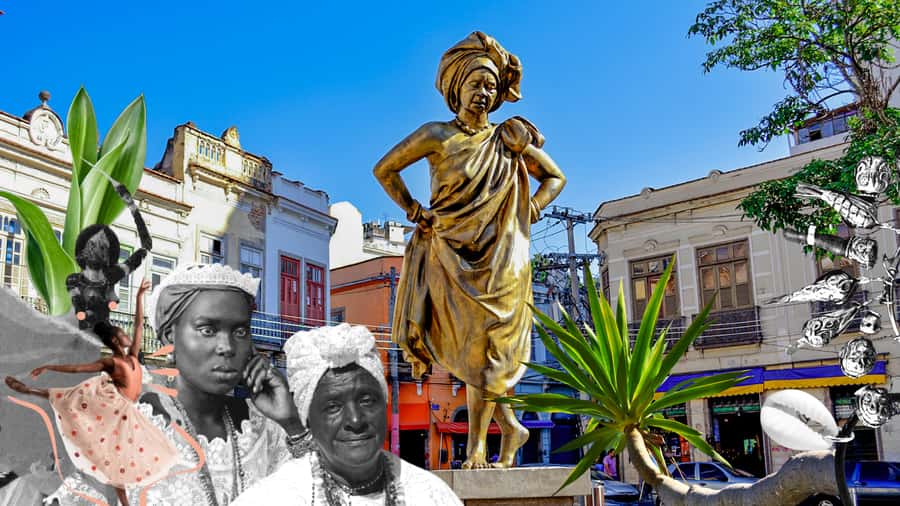
- Pedra do Sal links African heritage with samba, early Carnival blocos, and weekly samba gatherings.
- The walk explains candomblé, umbanda, Orishas, nkisis, and voduns in the context of religious mixing in Brazil.
- Downtown stops include Praça Mauá, Saúde, Largo São Francisco da Prainha, and major public murals.
- Guides speak English, Spanish, and Portuguese, with Kelly and Jaíse named among the guides associated with the experience.
- The $64 price is strongest for travelers who want context and conversation, rather than a quick sightseeing loop.
Why Rio’s Little Africa matters
Rio is often sold through beaches, mountains, and Carnival. Those are real parts of the city, but they tell only a slice of the story. This walk takes you into the port district where African people, forced migration, labor, music, religion, and urban life shaped one another over centuries.
The tour addresses the Portuguese slave trade in Brazil, which lasted for more than 380 years. That subject is painful, and the best way to approach it is with time, care, and a guide who can explain both the violence and the cultural survival that followed.
You are not simply being shown old streets. You are being asked to connect the port, the market, music, religious practice, food, dance, and present-day Black identity in Rio. That makes this a useful first or second-day activity for anyone who wants to understand the city beyond its postcard views.
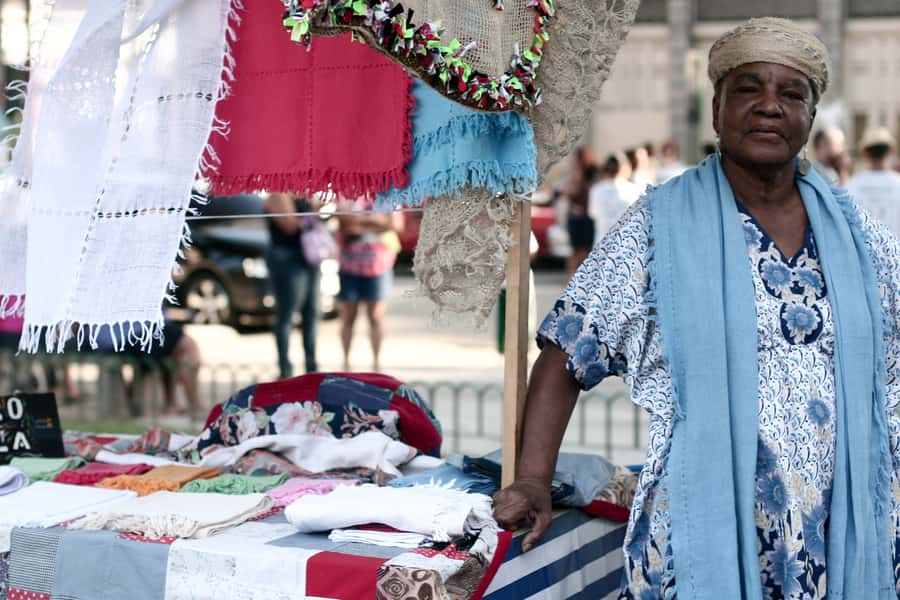
The experience is led by an expert guide of African descent from Rio. Kelly is specifically associated with the walk, and Jaíse has also led it. Their role matters here because the tour deals with family, faith, oppression, and cultural memory, not just dates on a plaque.
More walking tours in Rio:
- Rio de Janeiro: Rocinha Favela Walking Tour with Local Guide
★ 4.8 · 3,052 reviews - Rio De Janeiro: Half-Day Rocinha Favela Walking Tour
★ 4.7 · 2,272 reviews - Sunrise and Sunrise Walk Two Brothers with Local Guide
★ 5.0 · 193 reviews
Meeting under the trees at Praça Mauá
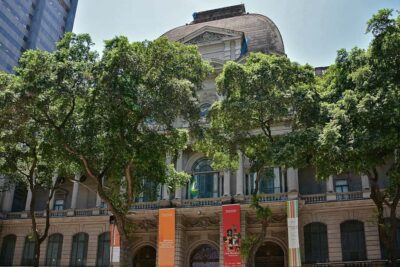
The main meeting point is under the trees in front of the Rio Art Museum, known as MAR, at Praça Mauá. This is a sensible place to begin because the square sits at the edge of the old port zone and near several major cultural sites.
Give yourself enough time to find the exact meeting place. Praça Mauá is a broad public area, and the meeting instructions point to the trees in front of the museum rather than to a ticket desk or indoor lobby. It is wise to keep the guide’s WhatsApp contact handy, especially since the operator asks for faster communication through WhatsApp.
The route may also be arranged from another starting point, including the address at R. Pedro Ernesto, 32. If you book a private group or request another date, confirm the pickup details in advance. Private arrangements require usual 24-hour notice, and transfer fees depend on vehicle availability.
The tour lasts 150 minutes, or two and a half hours. That is long enough to cover several connected sites without turning the walk into an all-day commitment. It is also short enough to fit before an evening meal or another downtown activity.
Praça Mauá and the port district
The opening section introduces the port area and the arrival of enslaved Africans in Rio. Praça Mauá is not just a convenient starting square. It helps you see how a modern cultural district sits beside places tied to forced migration and the growth of the colonial city.
The route includes Saúde, with about 15 minutes of guided walking listed for that portion. You can expect the guide to explain how the district connects to the old port and to the communities that formed around African arrivals.
This is where the tour’s structure begins to make sense. Instead of treating slavery as a distant subject, the walk places it in the middle of Rio’s streets. You see the relationship between the waterfront, trade, public space, and the people whose labor helped build Brazil.
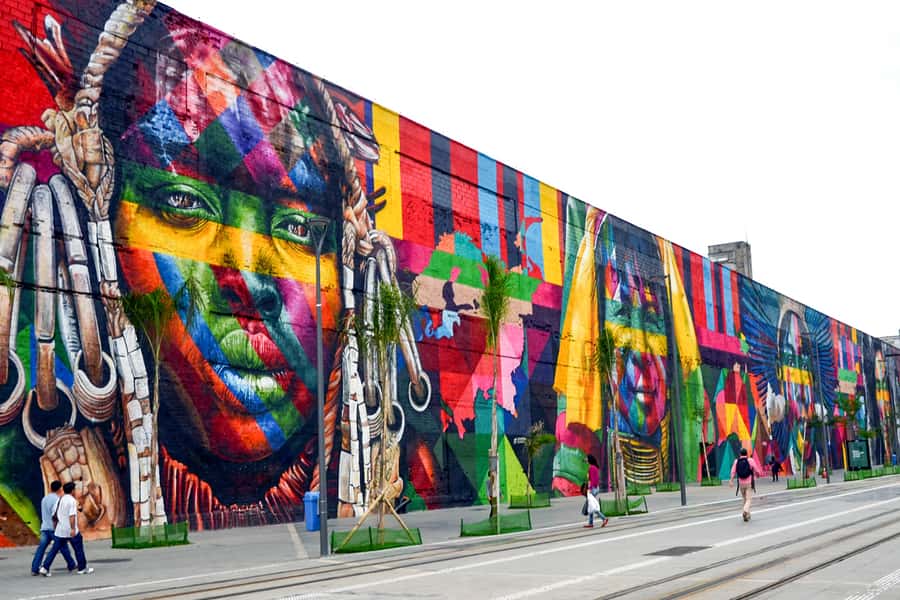
The route also includes the Etnias mural by Brazilian artist Eduardo Kobra. The large public artwork celebrates Indigenous peoples from around the world and provides one of the tour’s most colorful visual stops. It is a useful contrast to the nearby sites of enslavement: contemporary public art occupies the same port zone, giving the area another layer of meaning.
Do not expect a long museum visit here. The emphasis is on outdoor interpretation, conversation, and the relationship between the sites. Admission to the Rio Art Museum and the Museum of Tomorrow is not included, so you would need separate tickets if you want to visit either one before or after the walk.
Valongo Wharf and the human cost of the port
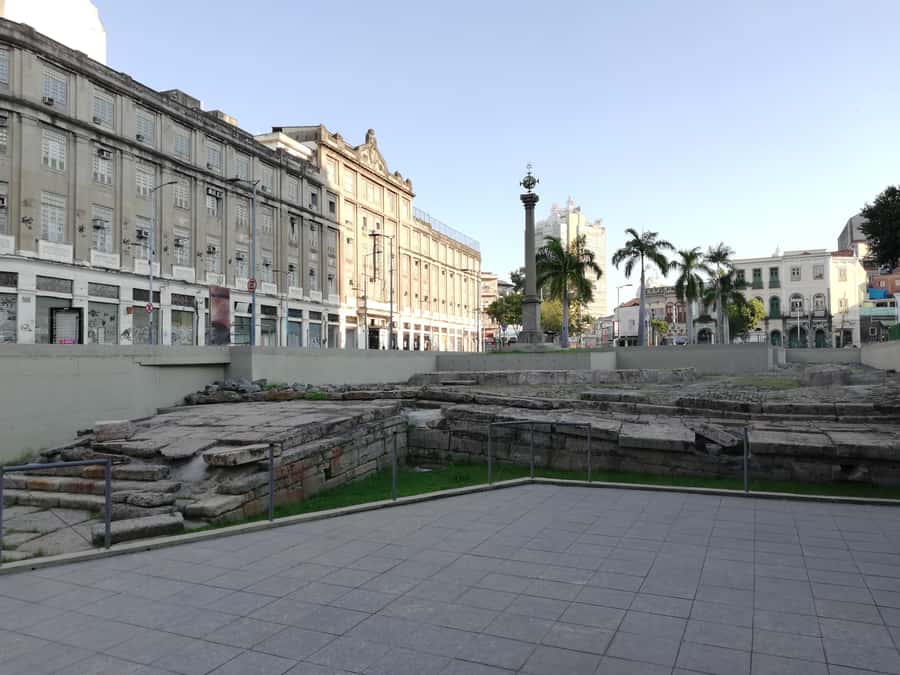
Valongo Wharf is the emotional center of the route. It is recognized by UNESCO as a World Heritage Site connected to the memory of the transatlantic slave trade. The site marks the place where millions of Africans arrived before being sold into slavery.
A guide can help you understand what a bare archaeological site cannot explain on its own. The stones and waterfront do not tell the full story without the human account: people were brought across the Atlantic, processed, sold, and forced into a system that shaped Rio’s economy and social order.
I appreciate that this tour treats Valongo Wharf as more than a quick photograph. The stop gives you a chance to consider why the site matters now, how it was remembered, and why public recognition of it is important.
This part may be difficult, particularly for people with family connections to the African diaspora. It is worth approaching with attention rather than expecting light entertainment. The subject is serious, but the tour also focuses on the strength of African descendants and the cultural practices that survived slavery.
The UNESCO designation adds weight, but the guide’s explanation is what turns the location into a meaningful stop. If you have already read about Brazil’s slave trade, you may value the chance to place that knowledge on the ground. If this is new to you, listen closely and leave room for questions.
More history walks in Rio:
- Rio de Janeiro: Historic Rio and Santa Teresa Half-Day Tour
★ 4.4 · 228 reviews - Rio de Janeiro: Little Africa Heritage Walking Tour
★ 4.9 · 177 reviews - Explore Little Africa : Unveiling Afro Heritage in Rio de Janeiro
★ 5.0 · 97 reviews - Learn the History of Rio with an Unforgettable City Center Walking Tour
★ 5.0 · 82 reviews
Pedra do Sal, where music became memory
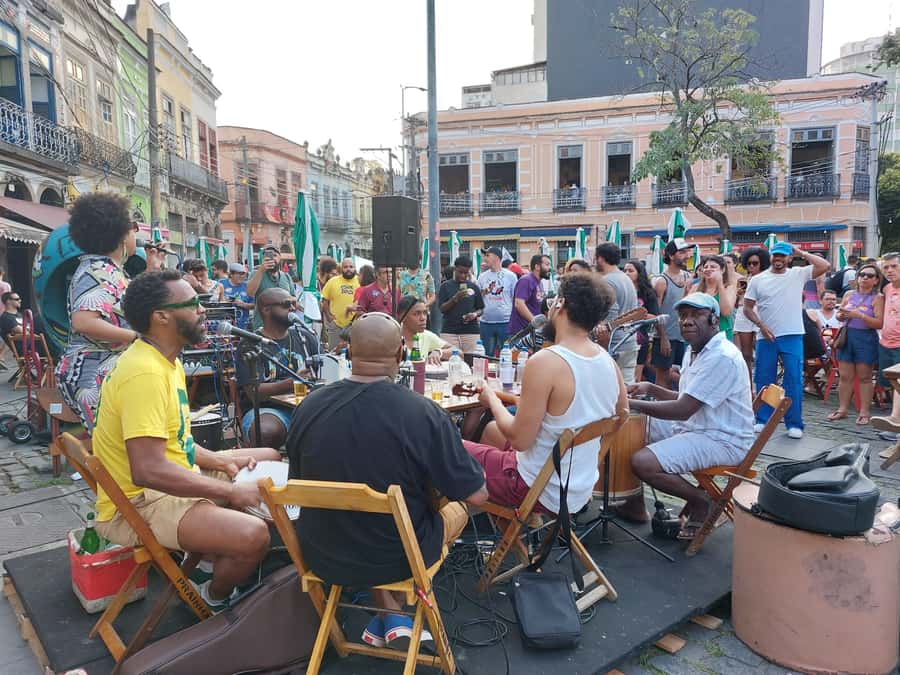
The route continues to Pedra do Sal, or Rock of Salt, in the area known as Little Africa. This is one of the tour’s most memorable stops because it brings together African heritage, music, neighborhood life, and Rio’s samba tradition.
Pedra do Sal is considered the birthplace of samba because musicians gathered there to sing and dance. It was also linked to some of the earliest Carnival bloco parties and parades. The tradition continues through regular samba gatherings, known as rodas de samba.
That does not mean every tour includes a live performance. The walk explains the place and can provide tips about local programming, including music, art, museums, restaurants, and the local scene. One guide, Jaíse, has also invited a participant to an authentic samba jam at a town square after the tour. Treat that as a possible recommendation rather than a guaranteed part of the scheduled walk.
Pedra do Sal is a strong example of how culture survives in public spaces. Music here is not presented as a separate show for tourists. It is connected to community, memory, and the people who made Rio’s sound what it is.
You may also learn why the area is called Little Africa. The name points to the concentration of African-descended people and traditions around the old port. The tour connects this neighborhood to the larger story of African arrivals, labor, religion, cooking, dance, and Carnival.
A stop at Pedra do Sal can be especially useful if you want to return later for local music. Ask your guide about current programming, because the listing promises tips on weekly samba, but does not guarantee a performance during your 150-minute walk.
Candomblé, umbanda, and the gods of nature
The religious section explains the origins of Afro-Brazilian traditions and their relationship with Christianity. You will hear about candomblé and umbanda, along with Orishas, nkisis, and voduns.
The key idea is syncretism. African religious traditions were not simply erased under Portuguese rule and Catholic pressure. They adapted, preserved beliefs, and developed forms that could exist within a society shaped by Christianity. The guide explains this process and introduces Brazilian ancestral gods and goddesses connected with nature.
This is an area where a short tour can either become confusing or very useful. Names and traditions vary, and a 150-minute walk cannot cover every regional difference. Still, the introduction gives you a framework for understanding religious symbols, music, festivals, and practices you may encounter elsewhere in Brazil.
I like that the tour includes religion alongside slavery and samba. Afro-Brazilian culture is not just music, food, or color. Faith and relationships with nature are central parts of the story, and leaving them out would give you an incomplete picture.
Approach this section with respect. It is educational, not a religious ceremony, and the information is presented as cultural heritage. If you have questions about terms such as Orishas, nkisis, or voduns, this is a good place to ask the guide to slow down and explain how they differ.
What the guides add to the experience
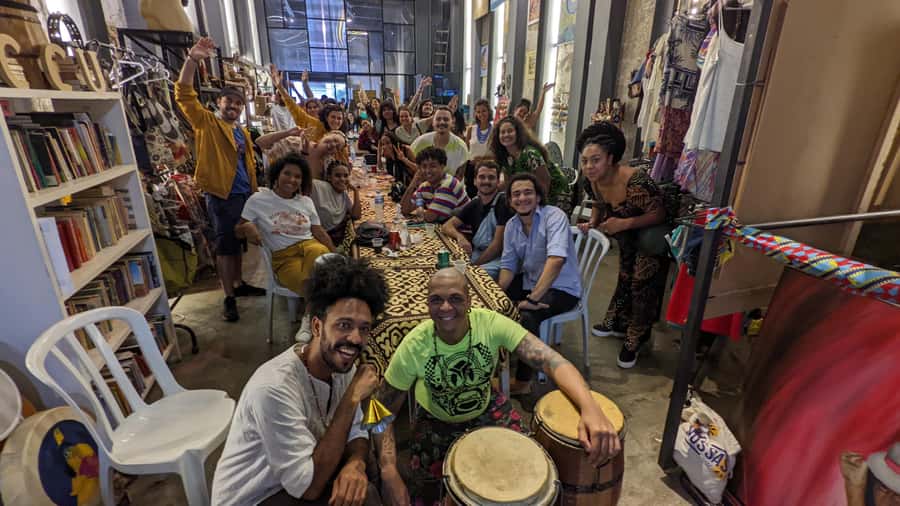
The guides are one of the main reasons to choose this tour over a general downtown walk. Kelly is described as passionate, careful with her research, and deeply connected to the subject. Jaíse is also praised for detailed historical explanations and for making the story feel immediate.
You can book in English, Spanish, or Portuguese. One practical limitation is that French is not listed among the tour languages. If you need French, do not assume it will be available simply because the booking platform may offer French-language information.
The guide’s background is important, but it does not replace evidence or context. The value comes from both: a personal connection to Afro-Brazilian identity and an organized explanation of the historical sites.
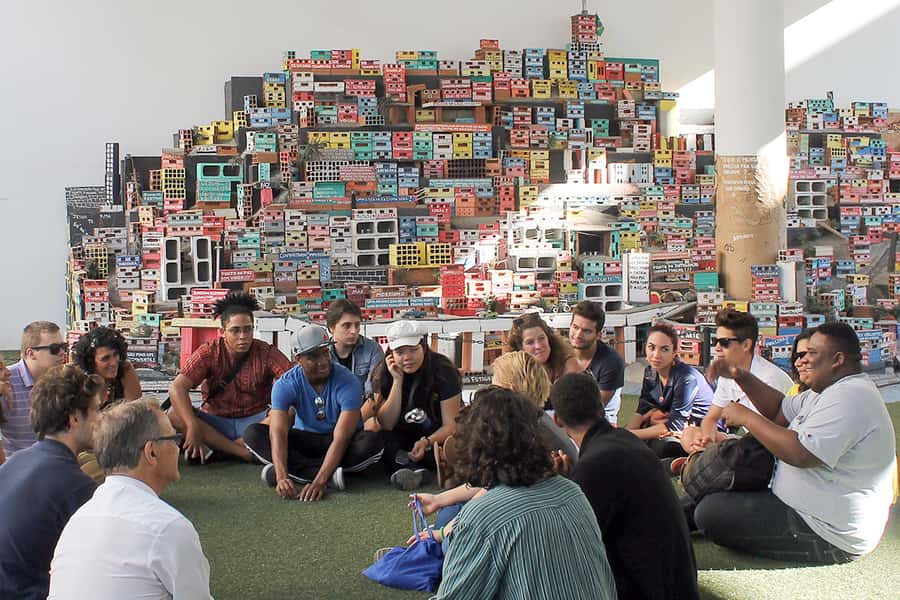
Expect a conversational walking tour rather than a formal lecture. You will have time to ask questions, get local suggestions, and discuss what you are seeing. That can be especially helpful after the tour, when you are choosing a samba event, museum, restaurant, or other cultural activity in Rio.
Is $64 a fair price?
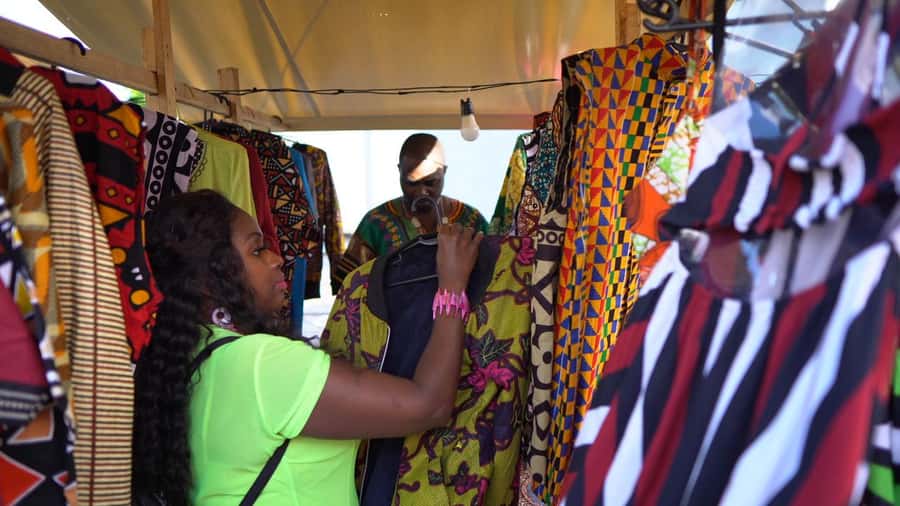
At $64 per person, this is not the cheapest way to see Praça Mauá or Pedra do Sal. You can walk through parts of the port district on your own for very little money. The question is what you want from the visit.
I think the price is reasonable if you value a focused guide, historical interpretation, and access to local cultural advice. The tour covers a difficult subject across several important places, and the guide helps connect them into one story. That is more useful than simply locating Valongo Wharf on a map and taking a photograph.
The value is weaker if you only want a quick introduction to downtown landmarks or if you plan to visit the museums independently and have little interest in Afro-Brazilian religious traditions. Food, transfers, and entry to the Museum of Tomorrow and Rio Art Museum are not included, so keep those costs separate.
For a private group, additional transfer fees may apply. Since those fees depend on vehicle availability, confirm the arrangement before booking. The standard activity is a guided walking tour, not a vehicle-based sightseeing trip.
Comfort, weather, and practical planning
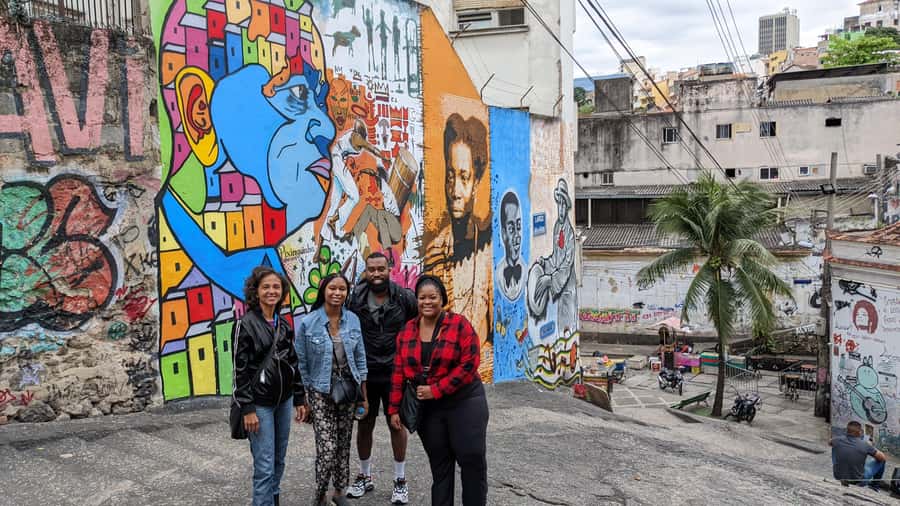
Wear comfortable clothes and shoes. Bring a reusable water bottle, a hat, and rain gear. The tour runs rain or shine, so a forecast with showers does not automatically mean the walk will be canceled.
The route is wheelchair accessible, but it remains an outdoor city walk. If you have specific mobility needs, contact the operator before the tour so you can confirm the route and meeting arrangements. The provided information confirms accessibility, but it does not describe every surface or incline.
Pets are not allowed, although assistance dogs are permitted. Food is not included, though the Pedra do Sal portion lists regional food as part of the area’s character. Plan to buy food separately or ask the guide for a recommendation.
The operator also recommends having travel insurance details and operational information available. Travel insurance is not mandatory, but it is recommended for outdoor activities. That advice is sensible, particularly when weather and city walking are involved.
You can cancel up to 24 hours before the activity for a full refund, and the reserve-now, pay-later option keeps payment flexible. Check the available start times when booking, since they can vary.
Who should book this walk?
I would choose this tour if you want to understand how African heritage shaped Rio rather than simply collect downtown sights. It suits travelers interested in slavery, Black history, samba, Carnival, public art, religion, and local culture.
It is also a good choice early in your stay. The guide’s tips about music, restaurants, museums, and local programming can help shape the rest of your time in Rio. The short length makes it easy to combine with another activity, though you should allow time for walking between stops and for the emotional weight of the subject.
Families with older children may find it worthwhile if everyone is ready for a serious discussion. It is less suited to anyone looking for a light, purely scenic outing. The tour does not include a cable-car view, beach time, or a major indoor attraction.
Language matters. English, Spanish, and Portuguese are offered, but French is not listed. Also remember that the tour is led outdoors, in changing weather, and does not include food or vehicle transfers.
Should you book the Afro-Brazilian heritage walk?
Book it if you want Rio’s port district to make sense. Valongo Wharf, Saúde, Praça Mauá, Pedra do Sal, samba, and Afro-Brazilian religions become connected parts of one story rather than isolated stops.
The strongest reasons to go are the subject, the sites, and the guides’ personal connection to Rio’s African-descended communities. The main drawbacks are the $64 price, extra costs for museums and food, and the fact that the walk can be physically and emotionally demanding.
For a first visit focused only on famous sights, choose another activity. For a more thoughtful view of Rio, especially one that includes music, memory, faith, and Black culture, this is a worthwhile use of two and a half hours.
FAQ
Where does the tour meet?
The main meeting point is under the trees in front of the Rio Art Museum, or MAR, at Praça Mauá.
How long does the walking tour last?
The tour lasts 150 minutes, or two and a half hours.
Which languages are available?
The live tour guide is available in English, Spanish, and Portuguese.
Does the tour visit Valongo Wharf?
Yes. Valongo Wharf is included as a UNESCO World Heritage Site connected to the memory of the transatlantic slave trade.
Is Pedra do Sal included?
Yes. The tour visits Pedra do Sal in Rio’s Little Africa and explains its connection to samba and early Carnival bloco parties.
Are museum tickets or food included?
No. Admission to the Museum of Tomorrow and Rio Art Museum is not included. Food and transfers are also separate.
What should I bring?
Bring a reusable water bottle, comfortable clothes, a hat, and rain gear. The tour takes place rain or shine.
Just added around Rio
- Rocinha Jeep Tour: A Journey into the Soul of the Favela!★ 3.8 · 3 reviews
- Tijuca National Park and all its wonders!★ 5.0 · 3 reviews
- Rio: Best Dive Experience All Inclusive Scuba Diving Package★ 5.0 · 3 reviews
- Rio de Janeiro: Doors-off 30-min helicopter tour★ 5.0 · 3 reviews
- Rio de Janeiro: Hang gliding adventure★ 3.7 · 3 reviews
- Pedra Bonita Trail: The easiest trail with a beautiful view of Rio★ 4.6 · 3 reviews
- Rio de Janeiro Secluded Beaches: Hike+Swim Prainha & Grumari★ 5.0 · 3 reviews
- Unforgettable Boat Party★ 5.0 · 3 reviews
Historical Tours, compared.
Explore Little Africa : Unveiling Afro Heritage in Rio de Janeiro
Read our review →
Learn the History of Rio with an Unforgettable City Center Walking Tour
Read our review →
Rio’s city walking tour: a glimpse of history and olympic legacy
Read our review →
Olympic Boulevard, Museum of Tomorrow & Historical Rio
Read our review →
Olympic Boulevard, Museum of Tomorrow & History Tour
Read our review →
Petropolis Bohemia: Historic tour and visit to the Bohemian Brewery
Read our review →Browse the lists this tour appears in